
Rice has been a staple food for centuries, sustaining millions of people around the world. However, the traditional methods of rice milling have undergone a revolutionary transformation with the advent of new technology. The innovation of rice milling technology has not only increased efficiency and production, but also improved the quality of the final product. In this article, we will explore the fascinating world of modern rice milling and the impact it has had on the industry.
Exploring the Evolution of Rice Milling Techniques
Rice milling technology has come a long way since its inception, with constant innovation and advancement shaping the industry into what it is today. One of the key aspects of this evolution is the introduction of automated machinery, revolutionizing the efficiency and precision of the milling process. These modern technologies have significantly improved the quality of rice production, leading to higher yields and better consistency in the final product.
Furthermore, the development of sophisticated sorting and grading systems has enabled rice millers to ensure uniformity in their products, meeting the stringent standards of the market. The integration of advanced software and hardware solutions has further streamlined the milling process, making it more cost-effective and environmentally friendly. With ongoing research and development, the future of rice milling technology looks promising, paving the way for even greater efficiency and sustainability in the industry.

Revolutionizing Rice Milling Technology: A Detailed Analysis
Rice milling technology has undergone a remarkable transformation in recent years, thanks to innovative advancements that have revolutionized the industry. These innovations have not only improved efficiency and productivity but have also enhanced the quality of the final product. One of the key advancements in rice milling technology is the development of state-of-the-art machinery that streamlines the entire process from harvest to packaging.
With the introduction of automated sorting and grading systems, rice millers can now ensure uniformity in size and shape, leading to higher-quality rice products. Additionally, the integration of blockchain technology has enabled traceability throughout the supply chain, providing consumers with confidence in the authenticity and origin of the rice they are purchasing. These technological advancements have not only boosted the overall efficiency of rice milling operations but have also opened up new opportunities for millers to expand their market reach and increase profitability.
Innovative Approaches to Enhance Efficiency in Rice Milling
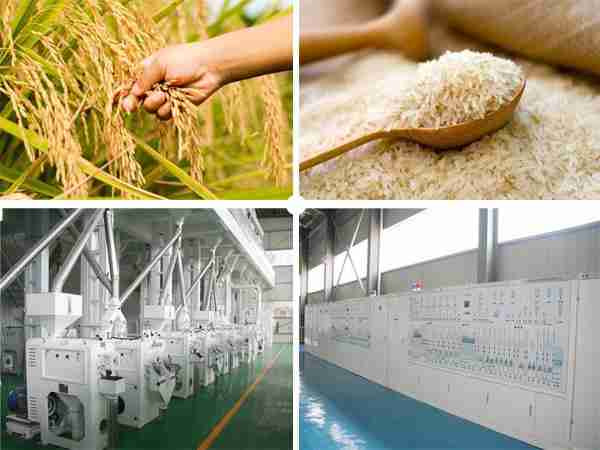
Rice milling technology has come a long way in recent years, with various innovative approaches being developed to enhance efficiency in the process. One such approach is the use of advanced machinery that automates the milling process, reducing the time and labor required to produce high-quality rice. These modern machines are equipped with sophisticated sensors and controls that ensure consistent milling results, resulting in higher yields and lower production costs.
Furthermore, the incorporation of computer vision technology in rice milling has revolutionized the industry by enabling real-time monitoring and analysis of the milling process. By using cameras and image processing algorithms, mill operators can identify and address issues such as broken grains or impurities, leading to improved product quality. Additionally, the use of AI-powered software allows for predictive maintenance of milling equipment, reducing downtime and maximizing operational efficiency.
Strategies for Implementing Cutting-Edge Rice Milling Technologies
When it comes to implementing cutting-edge rice milling technologies, it is essential to consider a strategic approach that maximizes efficiency and output. One key strategy is to invest in advanced machinery that utilizes the latest innovations in rice milling technology. By incorporating state-of-the-art equipment such as high-speed rice milling machines and advanced sorting and grading systems, mills can significantly increase their processing capacity and improve the quality of their rice products.
Another important strategy is to leverage automation and digitalization in the rice milling process. By integrating smart sensors, data analytics, and cloud-based software solutions, mills can streamline their operations, reduce human error, and achieve higher levels of precision and consistency in their output. Additionally, implementing sustainable practices such as energy-efficient milling processes and waste reduction measures can help mills not only reduce their environmental impact but also improve their overall efficiency and profitability.
Concluding Remarks
As we have discovered, the innovation of rice milling technology has transformed the way rice is processed and consumed around the world. From traditional methods to modern advancements, the evolution of rice milling has led to increased efficiency, higher-quality rice products, and improved sustainability in the industry. With ongoing research and development, we can only imagine the future possibilities that lie ahead for this essential food staple. Let us continue to embrace innovation and push the boundaries of what is possible in rice milling technology. The future of rice production is bright, and we are excited to see how it will continue to shape our world.




