In a world where innovation and technology continually shape the way we live and work, there are few inventions as humble yet transformative as the rice milling machine. From the ancient method of pounding rice by hand to the modern-day marvels of automated processing, the evolution of this essential tool has paved the way for increased efficiency and productivity in the agriculture industry. Join us as we delve into the grainy transformation of the rice milling machine and unveil the intricate workings behind its seemingly simple facade.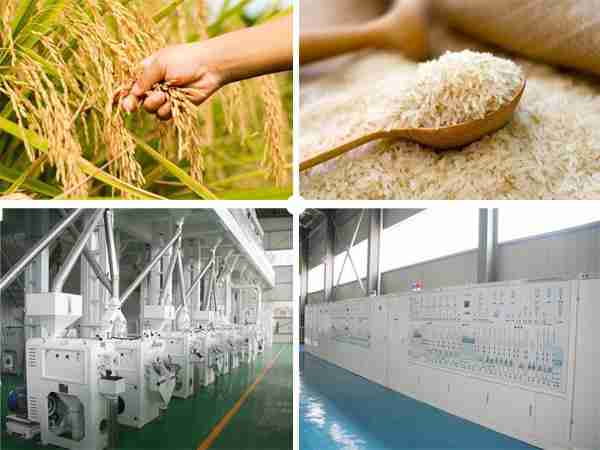
Understanding the Basics of Rice Milling
Rice milling is a crucial process that transforms raw rice grains into the familiar polished white rice we see on our plates. The rice milling machine plays a pivotal role in this transformation, utilizing a series of steps to remove the outer husk, bran layer, and germ from the rice grain. can shed light on the intricacies of this essential process.
During the rice milling process, the rice grain goes through several key stages, including cleaning, husking, whitening, polishing, and sorting. Each stage contributes to the final product’s quality and appearance, ensuring that only the finest grains make it to the consumer’s table. With the advancement of technology, modern rice milling machines have become more efficient and automated, streamlining the process while maintaining the quality of the rice product.

Exploring the Benefits of Rice Milling Technology
Rice milling technology has revolutionized the way grains are processed, leading to increased efficiency and quality in the production of rice. With the introduction of rice milling machines, the traditional methods of hand-pounding rice have been replaced by automated processes that streamline the milling process. These machines are designed to remove the outer husk, polish the rice grains, and separate broken grains from whole grains, resulting in a higher quality end product.
One of the key benefits of rice milling technology is the ability to customize the milling process to suit different varieties of rice. By adjusting settings on the machine, rice producers can control the degree of polishing, milling time, and milling pressure to achieve the desired quality of rice. This level of control ensures consistency in the final product, allowing producers to meet the specific requirements of their customers. Additionally, rice milling machines are able to process larger quantities of rice in a shorter amount of time, increasing productivity and reducing labor costs.

Tips for Choosing the Right Rice Milling Machine
Choosing the right rice milling machine can make a significant difference in the quality and efficiency of your rice production. To ensure you make the best choice, consider the following tips:
- Capacity: Determine the amount of rice you plan to mill on a daily basis to select a machine with the right capacity.
- Processing Speed: Look for a machine that offers the ideal processing speed to meet your production needs.
- Size and Space: Consider the available space in your facility to ensure the machine will fit comfortably.
| Type | Pros | Cons |
|---|---|---|
| Vertical Rice Milling Machine | Good for small spaces | Slower processing speed |
| Horizontal Rice Milling Machine | Higher processing speed | Takes up more space |
Additionally, consider the rice milling process you want to achieve – whether it’s polishing, husking, or whitening. Always prioritize quality, efficiency, and long-term durability when selecting your rice milling machine to ensure smooth operations and high-quality rice output.
Future Trends in Rice Milling: Innovation and Sustainability
The world of rice milling is on the brink of a grainy transformation, as innovation and sustainability take center stage. With advancements in technology and a growing focus on eco-friendly practices, the future of rice milling is set to revolutionize the way we process this staple crop. From efficient machinery to sustainable practices, the industry is gearing up for an exciting evolution.
**Key trends shaping the future of rice milling include:**
– Utilization of AI and automation in milling processes
– Implementation of energy-efficient practices to reduce carbon footprint
– Adoption of precision milling techniques for higher quality output
– Integration of IoT devices for real-time monitoring and data analysis
In Conclusion
In conclusion, the rice milling machine plays a crucial role in transforming grains into the staple food that we enjoy daily. With its complex yet efficient process, it is a testament to the advancements in technology and agriculture. As we delve deeper into understanding the intricacies of this essential machine, we gain a newfound appreciation for the meticulous work that goes into producing the grains that fill our plates. Next time you sit down for a meal, take a moment to ponder the journey that each grain of rice has taken, from the paddy field to the rice milling machine, before reaching your table. It is a true marvel of innovation and craftsmanship that continues to shape the way we consume food.