Rice Milling Machine
Modern Rice Milling Machines play a crucial role in the agricultural industry by ensuring the efficient processing of paddy into polished rice. These machines start by cleaning the paddy to eliminate all impurities. Following this, huskers efficiently remove the outer husk. The next stage involves whitening machines, which delicately remove the bran layer, preserving the kernel’s integrity and nutritional value. Advanced grading and sorting machines then classify the rice based on size and color, aligning product quality with consumer expectations. Modern milling equipment often features automated controls that optimize the milling process, enhancing both yield and quality. This automation not only improves efficiency but also reduces operational costs, making modern rice milling machines vital for producing market-ready rice.

Unlocking Efficiency: The Role of Commercial Rice Milling Machines
In the ever-evolving landscape of agriculture, commercial rice milling machines stand as pillars of efficiency. Streamlining the milling process not only enhances productivity but also ensures quality, transforming raw grains into market-ready staples with speed and precision.

Revolutionizing Agriculture: The Rise of Portable Rice Milling Machines
In a world where efficiency meets innovation, portable rice milling machines are transforming agriculture. These compact powerhouses empower farmers to process their harvests on the spot, reducing waste and boosting productivity, while ensuring quality control.
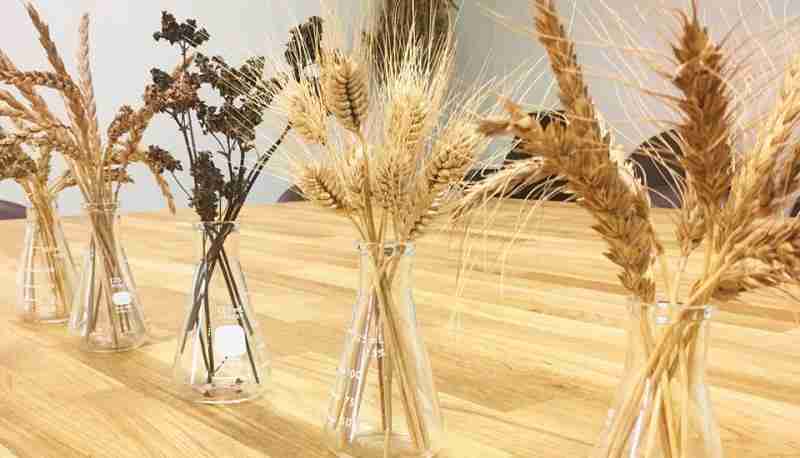
Transforming Grains: The Art and Science of Rice Milling Machines
Rice milling machines seamlessly blend art and science, transforming raw grains into polished perfection. This intricate process not only elevates the grain's quality but also preserves its rich heritage, fueling culinary traditions across cultures.

Revolutionizing Grain Processing: The Versatile Combined Rice Mill
Revolutionizing grain processing, the combined rice mill merges efficiency with versatility. This innovative technology streamlines husking and milling, optimizing yields and minimizing waste. By redefining traditional methods, it promises a sustainable future for rice production.
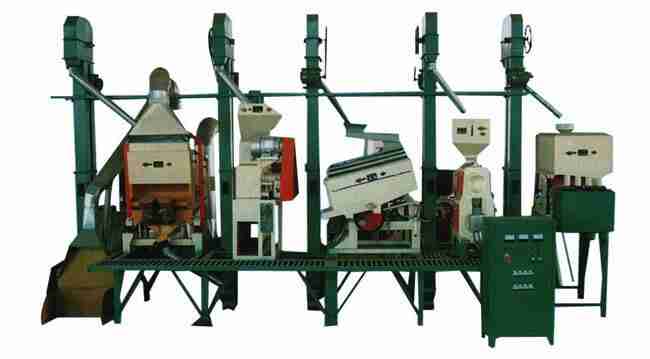
Unlocking the Grain: The Essentials of Rice Milling Machines
Unlocking the grain is an art that begins with effective rice milling machines. These vital tools transform hulled rice into polished grains, balancing efficiency and preservation of taste. Efficient milling not only enhances quality but also sustains livelihoods.
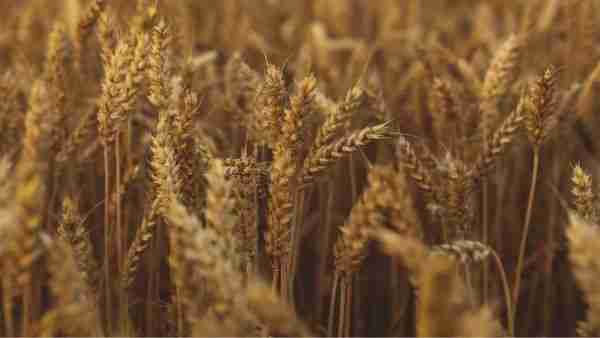
Unlocking Grain Potential: The Evolution of Rice Milling Machines
Unlocking Grain Potential: The Evolution of Rice Milling Machines explores how technological advancements have transformed rice milling from rudimentary methods to sophisticated systems. This evolution enhances efficiency, minimizes waste, and maximizes yield, revolutionizing the agricultural landscape.

Unveiling Efficiency: The Art of Rice Milling Machines
In the heart of agriculture, rice milling machines stand as the unsung heroes of efficiency. With precision and innovation, they transform harvested grains into polished perfection, unlocking the potential of rice and supporting global culinary traditions.

Transforming Grains: The All-in-One Rice Milling Solution
In the heart of agriculture, a revolution brews—“Transforming Grains” introduces the all-in-one rice milling solution. Streamlining the process, it enhances efficiency, preserves quality, and empowers farmers to turn their harvests into thriving ventures seamlessly.

Revolutionizing Rice Production: The Rise of Milling Machines
In the heart of agriculture, milling machines are transforming rice production, streamlining processes and enhancing efficiency. These technological marvels not only boost yield but also promise higher quality grains, paving the way for a sustainable future.

Revamping Grains: The Modern Industrial Rice Milling Machine
In the quest for efficiency, modern industrial rice milling machines have transformed ancient practices. These high-tech marvels streamline grain processing, enhancing yield and quality while respecting tradition—a marriage of innovation and heritage.