
As the sun rises over the sprawling fields of golden rice, the bustling activity within a rice mill begins to unfold. Behind the sturdy walls and whirring machines lies a world of precision and efficiency, where grains are transformed from humble crops into the staple food that sustains billions across the globe. In this article, we dive deep into the inner workings of a rice mill, uncovering the fascinating processes that bring this essential ingredient from field to plate. Join us on this journey as we peel back the layers of mystery and discover the intricate dance of machinery and human expertise that powers this essential industry.
Introduction to Rice Milling Process
Rice milling is a fundamental process that transforms raw rice grains into edible rice. The intricate inner workings of a rice mill involve several stages that are essential for producing high-quality rice for consumption. Understanding these processes can provide valuable insights into the journey of rice from field to plate.
During the rice milling process, the rice undergoes a series of steps including cleaning, hulling, whitening, polishing, grading, and packaging. Each step plays a crucial role in ensuring the final product meets the required quality standards. From removing impurities to enhancing the appearance and texture of the rice grains, every stage in the milling process contributes to delivering the perfect rice to consumers.
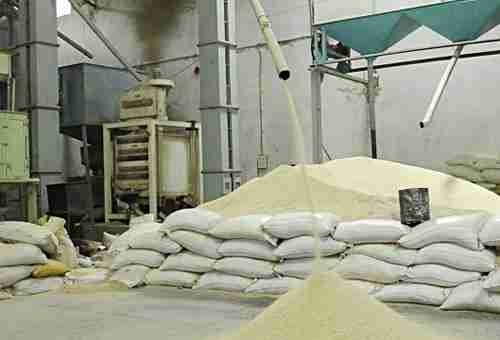
Examining the Machinery and Equipment Used in a Rice Mill
Rice mills are fascinating places where intricate machinery and equipment work together seamlessly to produce one of the world’s most essential food staples. At the heart of a rice mill are the milling machines, which are responsible for removing the husk, bran, and germ from the rice grains. These machines include hullers, polishers, and graders, each playing a crucial role in transforming raw paddy into the polished white rice we are familiar with.
Another key component of a rice mill is the drying and storage equipment, which ensures that the rice grains are properly dried and preserved before processing. Silos, dryers, and storage bins are used to maintain the quality of the rice and prevent spoilage. Additionally, conveyors and elevators are essential for transporting the rice grains between different stages of the milling process, ensuring a smooth and efficient operation.

Understanding the Role of Sorting and Grading in Rice Milling
Rice milling is a complex process that involves several key stages, one of the most crucial being sorting and grading. This step plays a vital role in determining the quality and value of the final product, as it involves separating the rice grains based on various factors such as size, shape, color, and defects. Through meticulous sorting and grading, rice mills are able to ensure a consistent and high-quality end product that meets the standards of consumers.
Sorting and grading in rice milling are typically done using specialized machinery and equipment that can quickly and accurately analyze each grain. This technology allows for efficient processing of large quantities of rice while maintaining precision in the sorting process. By categorizing the rice grains based on specific criteria, such as length and weight, mills can produce different grades of rice that cater to diverse market preferences. This level of customization and attention to detail is what sets apart a well-operated rice mill from the rest, ultimately contributing to the overall success of the operation.
Tips for Optimizing Efficiency and Quality in Rice Mill Operations
One key aspect of optimizing efficiency and quality in rice mill operations is to regularly inspect and maintain equipment. This includes cleaning machines thoroughly, checking for any signs of wear or damage, and ensuring proper calibration of all equipment. By keeping machinery in top working condition, you can prevent costly breakdowns and ensure smooth processing of rice.
Another tip is to carefully monitor the entire production process, from the intake of raw materials to the packaging of the final product. Implementing quality control checks at each stage can help identify any issues early on and make necessary adjustments to maintain consistency and quality. By paying attention to detail and continuously improving processes, you can streamline operations and deliver high-quality rice products to satisfied customers.
In Retrospect
As we dive deeper into the intricacies of a rice mill, we uncover the mesmerizing inner workings that bring the staple food of billions from field to table. From the clean and efficient processing of rice grains to the delicate art of polishing, every step in the rice milling process is a testament to human ingenuity and innovation. Next time you enjoy a comforting bowl of rice, take a moment to appreciate the unseen labor and dedication that goes into each grain. And remember, the next time you pass by a rice mill, there’s a world of magic happening inside those walls.




