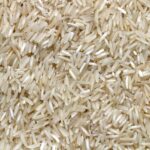
In the heart of the agricultural landscape, where tradition meets technology, a meaningful change is quietly unfolding — the advent of the Combined Rice Mill. This innovative machine not only streamlines multiple stages of grain processing but also redefines efficiency in a sector that has long relied on age-old methods.As the demand for rice continues to grow globally,the need for a more effective approach to processing has become paramount. The Combined Rice mill emerges as a beacon of progress, promising to enhance productivity, reduce labor costs, and ensure the highest quality of output. in this exploration, we will delve into the intricacies of this revolutionary machinery, examining how it stands at the intersection of sustainability and modernization, ultimately aiming to reshape the future of rice processing. Join us as we unravel the features,benefits,and potential impacts of this game-changing innovation on the agricultural industry.
Embracing innovation in Grain Processing techniques
as the agricultural landscape evolves, so too must the methods we employ to process our grains, particularly rice.The introduction of advanced technology in grain processing has opened up possibilities that were once deemed unattainable. One of the most groundbreaking developments is the combined rice mill, which integrates multiple functions into a single, efficient machine. This revolutionary approach not only enhances the productivity of rice processing but also significantly reduces waste and energy consumption,marking a pivotal shift in how grains are processed in both small-scale and large-scale operations.
The advantages of embracing such innovative techniques cannot be overstated. By centralizing processing functions, thes modern mills offer a host of benefits:
- Improved Efficiency: The streamlined processing stages minimize downtime, allowing for quicker output.
- Versatility: The ability to handle various types of grains expands market opportunities for mill operators.
- Resource Conservation: Increased energy efficiency leads to lower operational costs while reducing the environmental impact.
to better understand the impact of these mills, here’s a comparative look at customary versus combined rice mills:
| Feature | Traditional Mill | Combined Rice Mill |
|---|---|---|
| Processing Time | Long | Short |
| Energy Consumption | Higher | Lower |
| Operational Footprint | Larger | Compact |
| Maintenance Needs | Frequent | Less Frequent |
With the combined rice mill leading the way, it’s clear that embracing innovation is crucial for the sustainable future of grain processing. by adapting to these new technologies, the industry can create a more efficient, cost-effective, and environmentally friendly approach to food production.

Exploring the Efficiency of Integrated Milling Systems
The advent of integrated milling systems marks a compelling shift in grain processing, particularly as it relates to rice production. These systems seamlessly combine multiple processes into one efficient operation, optimizing every stage from husking to polishing. By minimizing the number of separate machines needed, these systems reduce space requirements and enhance workflow, leading to faster processing times. Key features of integrated milling systems include:
- Streamlined Operations: by integrating various milling stages, these systems minimize downtime and increase overall throughput.
- Energy Efficiency: Consolidated machinery ofen consumes less power compared to operating multiple standalone machines.
- Quality Control: A unified system allows for better monitoring of quality at each step, ensuring that the final product meets stringent standards.
Moreover, the versatility of integrated systems can accommodate a range of grain types and processing aims. Modern designs allow for quick adjustments between different operations, making it easier to switch from white rice milling to brown rice processing without substantial downtime. To illustrate the efficiency of such systems, consider the following comparison:
| Feature | Traditional Milling | Integrated Milling |
|---|---|---|
| Processing Time | longer due to machine changes | Rapid with continuous operation |
| Energy Consumption | Higher with multiple units | Lower due to efficiency |
| Space Requirement | Extensive | Compact and optimized |
Assessing Economic Benefits for Local Farmers
The advent of the combined rice mill presents a golden opportunity for local farmers, unlocking a range of economic benefits that promise to enhance their livelihoods. By centralizing grain processing, farmers can reduce overhead costs associated with transport and labor. This mill not only streamlines production but also ensures better pricing strategies through the consolidation of resources. Farmers are likely to experience:
- Increased Profit Margins: A significant reduction in processing costs can lead to higher profits per kilo of rice produced.
- Quality Assurance: With advanced milling technology, the quality of processed rice improves, leading to better market prices.
- Economies of Scale: As more farmers contribute to the mill, the collective bargaining power enhances, possibly lowering the cost of raw inputs.
Moreover, the combined rice mill fosters community collaboration, which can transform the agricultural landscape. Farmers collaborating within the mill’s framework can share best practices and access training that improves their overall productivity. This interdependence encourages a sense of community ownership, leading to sustainable agricultural practices. A potential increase in local employment opportunities also stands out, with the mill requiring skilled labor for operations. In turn, this can create a ripple affect on the local economy, driving growth and advancement. Consider the following potential local economic impacts of the new rice mill:
| Impact | Description |
|---|---|
| Job Creation | Hiring local workers for milling operations increases employment. |
| Local Spending | More local jobs result in increased spending in local businesses. |
| Community Investments | Growth in local incomes allows for investment in community projects. |
Navigating the Future: Sustainability in rice Production
As the world grapples with the pressing challenges of climate change and food security, transitioning toward sustainable practices in rice production becomes increasingly essential. The introduction of the combined rice mill exemplifies this shift, showcasing a technology that not only enhances efficiency but also minimizes waste. By integrating different processing stages, these mills reduce energy consumption and water usage, critical factors in sustainable agriculture. Their ability to streamline operations helps farmers achieve a more significant return on investment, while promoting eco-friendly practices that benefit both the land and local communities.
Moreover, the combined rice mill leverages innovative design to address key sustainability challenges. Key features include:
- Modular Design: Allows farmers to scale operations easily as demand increases.
- Energy Efficiency: Reduces reliance on fossil fuels and cuts down on greenhouse gas emissions.
- Waste Utilization: Transforms byproducts into valuable resources, such as animal feed or organic fertilizers.
Through these advancements, rice production can evolve into a thriving, sustainable sector, ensuring food security for future generations while preserving the environment. The combined rice mill stands at the forefront of this movement, symbolizing a brighter, greener future in agriculture.
| Feature | Benefit |
|---|---|
| Modular Design | Facilitates growth and adapts to market demands |
| Energy Efficiency | Lower operational costs and reduced carbon footprint |
| Waste Utilization | Creates additional revenue streams and reduces landfill impact |
in summary
the unveiling of the Combined Rice Mill marks a significant milestone in the evolution of grain processing technology. By integrating efficiency and innovation, this groundbreaking approach not only addresses the challenges faced by traditional milling methods but also paves the way for enhanced productivity and sustainability in the agricultural sector. As we move forward, the impact of such advancements on farmers, consumers, and the global food economy will be profound. With the Combined Rice Mill setting new standards, we stand on the brink of a redefined future for grain processing—where technology and tradition unite to nourish a growing world. The journey has just begun, and the possibilities are as expansive as the fields themselves.