
In the heart of rural China, where the rhythm of life dances to the timeless beat of the seasons, lies a culinary cornerstone that has sustained generations: rice. As the staple food for over half the world’s population, rice is more than just sustenance; it is a vessel of culture and tradition. Yet, behind the simple grain is a sophisticated world governed by the delicate balance of age-old practices and modern innovations. In “Unlocking Tradition: The Art and Science of Chinese Rice Mills,” we embark on a journey through the intricate processes that transform harvested paddy into fluffy grains ready to grace our tables. We will explore the craftsmanship that has been honed over centuries, the technologies that have revolutionized production, and the deep-rooted significance of rice milling in the fabric of Chinese society. Join us as we navigate the fascinating intersection of heritage and innovation, where each grain tells a story steeped in history and every mill embodies a legacy.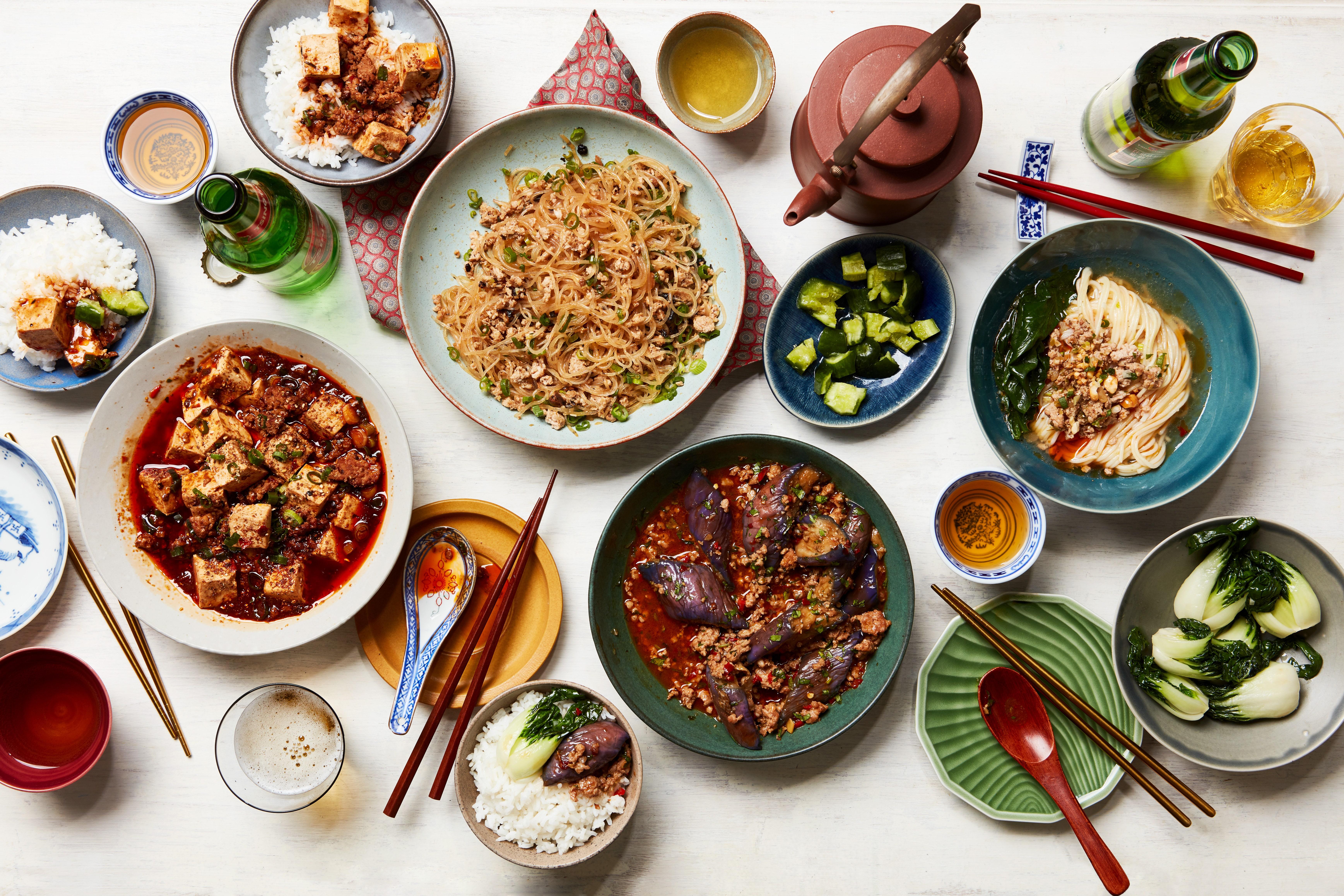
Exploring the Rich History of Chinese Rice Milling Techniques
At the heart of Chinese agriculture lies a remarkable tradition of rice milling, a meticulous process that reflects both the art and science of food production. Dating back thousands of years, these techniques have evolved in response to technological advances while remaining deeply embedded in cultural practices. The tools and methods utilized range from ancient stone mills to modern mechanical systems, each contributing uniquely to the rice’s flavor and texture. Different regions across China boast their own distinctive practices, often reflecting the local varieties of rice cultivated and the agricultural conditions. Some of these traditional methods include:
- Stone Milling: Employing flat stones to gently grind rice, this ancient technique enhances the grain’s fragrance.
- Water-Powered Mills: Utilizing rivers and streams, these mills deliver a consistent energy source, symbolizing the harmony between nature and craftsmanship.
- Hand-Pounding: A labor-intensive method, where workers use wooden pestles to detach husks gently, maintaining the integrity of the rice.
As modern innovations began influencing food production in the 20th century, the emergence of mechanized milling transformed operational efficiency while sparking debates about sustainability and quality. Today’s rice mills incorporate complex technology that allows for greater precision in grain selection and processing, ensuring higher yields and better market competitiveness. Nevertheless, the continuous appreciation for traditional techniques remains evident, with artisans and educators striving to preserve this rich heritage. The fusion of old and new is epitomized in local markets, where consumers can find a variety of rice, from the subtly fragrant glutinous types to the robust, aromatic grains, each telling a story of its milling journey.
| Milling Technique | Characteristics |
|---|---|
| Stone Milling | Maintains fragrance, low yield loss |
| Water-Powered Mills | Eco-friendly, consistent energy source |
| Hand-Pounding | Labor-intensive, traditional method |
| Mechanical Milling | High efficiency, modern precision |

Modern Innovations in Rice Milling Equipment
Advancements in rice milling technology have transformed traditional processing methods into streamlined operations that enhance efficiency and product quality. The integration of automation has been a game-changer, allowing for precision in every step of the milling process. With the advent of computerized systems, millers can now control milling parameters through intuitive interfaces. This not only reduces labor costs but also minimizes human error, ensuring consistent grain quality. Key innovations include:
- High-capacity milling systems: Capable of processing larger quantities while maintaining quality.
- Advanced husking machines: Designed to remove husks without damaging the rice kernels.
- Real-time monitoring technologies: Enhance operational transparency and support timely decision-making.
The shift towards eco-friendly technologies is another remarkable innovation in rice milling equipment. Modern mills are now equipped with energy-efficient systems that lower both operational costs and environmental impact. Innovative dust and waste management techniques have emerged, allowing mills to recycle by-products for alternative uses such as animal feed or biofuel production. A simple comparison of traditional and modern milling methods reveals the significant improvements made:
| Aspect | Traditional Milling | Modern Milling |
|---|---|---|
| Efficiency | Lower output | High-capacity |
| Quality Control | Manual monitoring | Automated precision |
| Eco-friendliness | Higher waste output | Sustainable practices |

Nutritional Benefits of Properly Milled Rice
The art of properly milling rice transcends mere aesthetics; it significantly enhances its nutritional profile. Traditional Chinese rice mills, with their meticulous processes, ensure that the rice retains essential nutrients, making it a staple in diets around the world. When rice is milled correctly, it can provide an abundant source of vitamins and minerals, crucial for a balanced diet. Some of the core nutritional benefits include:
- High Energy Source: Rice is rich in carbohydrates, primarily starch, which serves as a major energy source for the body.
- Rich in Vitamins: Proper milling helps retain B vitamins such as thiamine, niacin, and vitamin B6, essential for metabolic processes.
- Mineral Content: Minerals like magnesium, phosphorus, and iron found in rice contribute to bone health and red blood cell production.
- Dietary Fiber: Whole grain rice varieties, when milled to retain bran layers, provide dietary fiber, which aids digestion and supports heart health.
The precise milling techniques used in artisanal rice production often separate the nutritional components of rice into categories, distinguishing between whole grain and white rice. Here’s a comparison of the key nutrient content:
| Nutrient | Whole Grain Rice | White Rice |
|---|---|---|
| Calories | 215 | 205 |
| Fiber | 3.5g | 0.6g |
| Iron | 1.1mg | 0.2mg |
| Thiamine (Vitamin B1) | 0.4mg | 0.1mg |
This careful approach to rice milling not only impacts flavor and texture but also ensures that every grain offers vital health benefits, making it a powerful choice for those looking to boost their nutritional intake while enjoying a beloved staple of Chinese culture.
Sustainability Practices in the Chinese Rice Industry
The rice industry in China is gradually pivoting towards sustainable practices that honor both the traditional methods of cultivation and the pressing need for environmental stewardship. Farmers are increasingly adopting integrated pest management, which minimizes the use of chemical pesticides by utilizing natural predators and crop rotation techniques. Additionally, many rice mills are implementing energy-efficient technologies and systems that reduce waste and energy consumption. These practices not only enhance the quality of rice but also contribute to a healthier ecosystem.
Incorporating organic farming practices is also becoming common in the rice sector, allowing producers to engage in environmentally-friendly methods that eliminate synthetic fertilizers and pesticides. Key considerations in these sustainable initiatives include:
- Water management: Utilizing precision irrigation systems to minimize water usage.
- Soil health: Promoting the use of cover crops and natural fertilizers to enrich soil fertility.
- Biodiversity: Encouraging the intercropping of rice with other plants to support wildlife and beneficial insects.
To exemplify these advancements, a table below summarizes the key sustainability metrics observed in various rice production regions across China, showcasing the shift towards more eco-conscious farming practices.
| Region | Water Usage (liters per kg of rice) | Chemical Fertilizer Reduction (%) | Organic Farming Area (% of total) |
|---|---|---|---|
| Yangtze River Valley | 4,500 | 30 | 15 |
| Red River Delta | 4,200 | 40 | 10 |
| Sichuan Basin | 4,800 | 25 | 5 |
Closing Remarks
As we close this exploration of Chinese rice mills, it becomes evident that these intricate machines are more than mere tools of production; they are vessels of tradition and innovation, where age-old practices seamlessly intertwine with modern advancements. The rice mill stands as a testament to the enduring legacy of Chinese agriculture, embodying a story that spans generations—where each grain tells a tale of culture, community, and resilience.
In unlocking the mysteries behind these machines, we have not only gained insight into their functional design and efficiency but also unearthed the deeper significance they hold within the fabric of Chinese society. From the artisanal craftsmanship found in older models to the cutting-edge technology shaping contemporary mills, the evolution of rice milling reflects a dynamic journey that mirrors the spirit of China itself.
As we reflect on this rich narrative, it is clear that the art and science of Chinese rice mills will continue to influence the agriculture landscape, shaping not just the economy but also the culinary experiences of millions. In honoring these traditions while embracing innovation, we can look forward to a future where the heart of rice milling beats strong—preserving the essence of a cultural heritage while nourishing the aspirations of the generations to come.




