
In the heart of agricultural landscapes, where lush green fields sway gently under the sun, a subtle revolution is quietly taking shape. Small rice mills, once overshadowed by their larger counterparts, are emerging as vital players in the grain processing sector. This transformation is not just about grinding grains; it symbolizes a shift towards sustainability, local empowerment, and economic resilience. As small-scale millers harness innovative practices and technology, they redefine the contours of rice production, paving the way for communities to reclaim their culinary heritage while meeting the demands of modern consumers. In this article, we explore the rise of small rice mills, examining their impact on local economies, food quality, and the future of rice farming in an increasingly globalized world. Join us as we delve into this compelling narrative, where tradition and innovation blend seamlessly to reshape the grain landscape.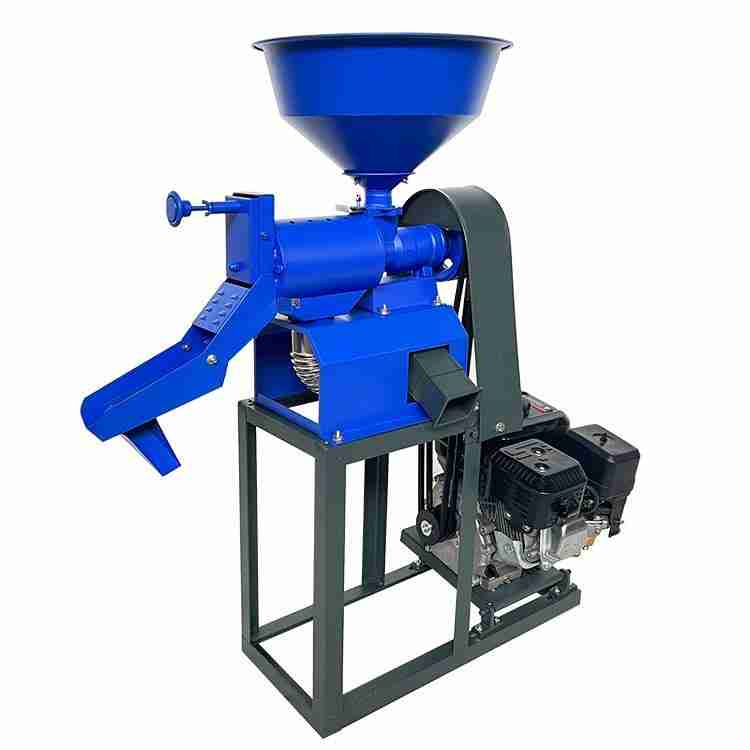
The Role of Small Rice Mills in Local Economies
Small rice mills play a pivotal role in sustaining and enhancing local economies, acting as crucial hubs for both agricultural production and community growth. These mills not only provide the essential service of transforming raw grains into consumable rice but also stimulate local employment by creating jobs in milling, packaging, and distribution. By engaging local farmers, small rice mills foster a reliable market for paddy, ensuring that growers receive fair prices for their crops, which significantly uplifts their economic status.
Moreover, small rice mills contribute to the agro-based ecosystem in several impactful ways, including:
- Enhancing Food Security: By processing local grains, these mills ensure that communities have access to fresh, locally-sourced rice.
- Promoting Entrepreneurship: They inspire the formation of ancillary businesses, such as transportation and retail, further enriching the local economy.
- Encouraging Sustainable Practices: Many mills are beginning to adopt eco-friendly technologies, reducing waste and promoting sustainable agricultural practices.
In areas where small rice mills operate, the economic ripple effect can be observed. For instance, consider the following table detailing the positive impacts:
| Impact | Description |
|---|---|
| Job Creation | Increased local employment opportunities across various sectors. |
| Increased Incomes | Higher earnings for local farmers due to consistent demand and fair pricing. |
| Community Development | Investment in local infrastructure and services to support the milling operations. |
Through these contributions, small rice mills not only invigorate the local economies but also forge a path toward self-sufficiency and resilience in the face of external economic pressures.

Innovative Technologies Reshaping Rice Milling Practices
The rice milling industry is witnessing a pivotal shift as cutting-edge technologies enhance efficiency and sustainability. Small rice mills, once confined to traditional practices, are now embracing innovations such as smart automation systems, energy-efficient machinery, and data analytics. These advancements not only streamline operations but also maximize yield while minimizing waste. For instance, the integration of IoT (Internet of Things) devices allows mill operators to monitor equipment performance in real-time, ensuring optimal functioning and reducing downtime.
Furthermore, the rise of sustainable milling technologies is aligning with global efforts to promote environmentally friendly practices. Many small mills are adopting solar-powered machines and eco-friendly husk disposal methods to reduce their carbon footprint. Additionally, the focus on quality control through automated grain sorting systems enhances product consistency, catering to the evolving demands of consumers. As these innovative practices become more commonplace, the landscape of rice milling is positioned to not only improve productivity but also foster a culture of sustainability within the agricultural sector.
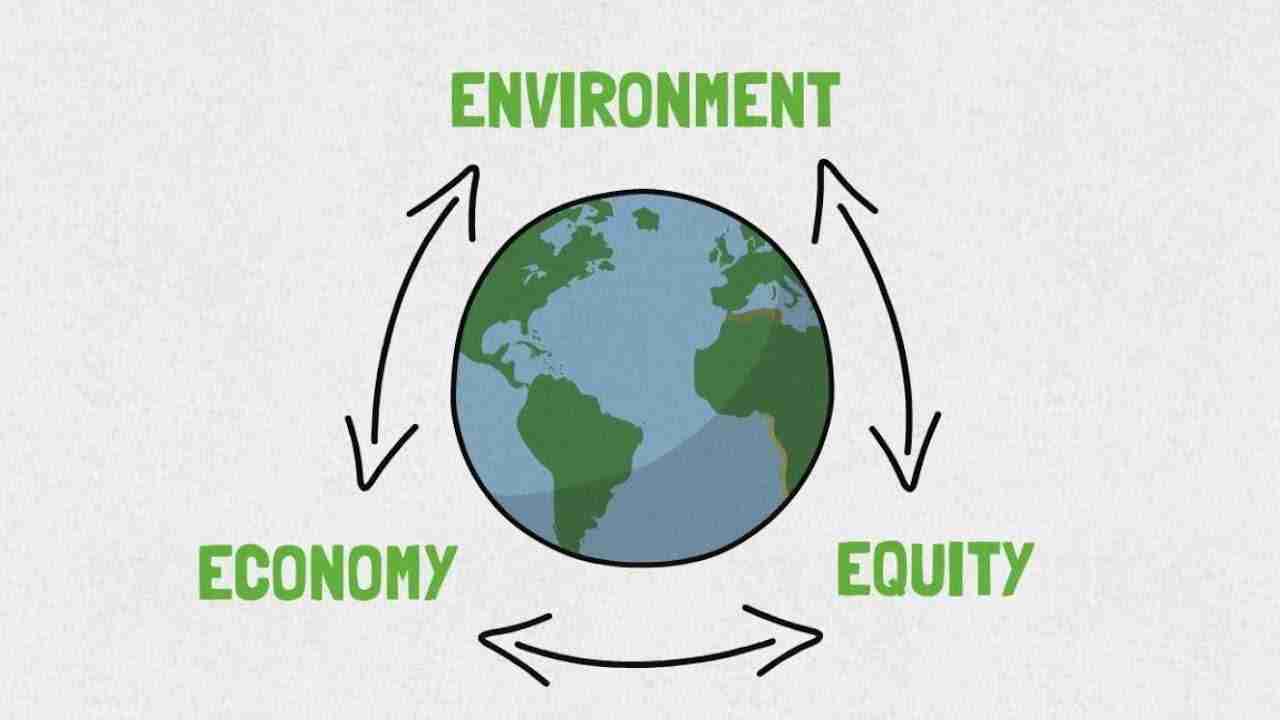
Sustainability in Grain Processing: Best Practices and Benefits
In the burgeoning landscape of rice milling, a focus on sustainable practices has emerged as a game changer for small-scale operations. By implementing eco-friendly techniques, these mills not only enhance their viability but also contribute to the broader goal of environmental stewardship. Key practices include:
- Energy Efficiency: Utilizing energy-efficient machinery helps reduce consumption and lower operational costs.
- Waste Management: Recycling and repurposing by-products, such as rice husks, can dramatically minimize waste output.
- Water Conservation: Adopting techniques to recycle water within the milling process ensures minimal usage and environmental impact.
By embracing these sustainable methods, small rice mills can enjoy significant benefits that resonate throughout the community. First, enhanced local economies through the creation of job opportunities leads to skill development and increased livelihood for many. Additionally, by offering sustainably milled rice, these mills can broaden their market reach, appealing to environmentally conscious consumers. A few notable advantages include:
- Brand Loyalty: Consumers are more likely to support brands that demonstrate a commitment to sustainability.
- Cost Savings: Long-term reductions in energy and waste management costs can greatly improve profitability.
- Regulatory Compliance: Small rice mills that adopt sustainable practices may find it easier to comply with potential future regulations.
Empowering Farmers through Community-Based Rice Milling Solutions
Community-based rice milling solutions are reshaping the agricultural landscape, placing power directly back into the hands of local farmers. By establishing small-scale rice mills within communities, farmers can process their grains more efficiently and effectively. This innovation not only helps eliminate the middleman but also allows farmers to retain a larger portion of the profit from their harvests. Key benefits include:
- Increased Profit Margins: Locking in higher prices by selling directly to consumers and local markets.
- Quality Control: Ensuring that the final product meets specific standards and retains its nutritional value.
- Community Sustainability: Aiding local economies by creating jobs and fostering entrepreneurship.
The transition to community-based rice milling systems encourages collaboration and innovation among farmers, fostering a dynamic agricultural ecosystem. By sharing resources, knowledge, and technology, farmers can enhance their milling capabilities, thereby increasing their productivity. To visualize this transformation, consider the following comparison of traditional versus community-based milling:
| Aspect | Traditional Milling | Community-Based Milling |
|---|---|---|
| Cost | High processing fees | Lower operational costs |
| Accessibility | Limited access to services | Readily accessible for farmers |
| Profit Retention | Low profit margins | Higher profit margins |
As small rice mills flourish in these communities, farmers are empowered to take charge of their production process, ultimately leading to greater food security and resilience against market fluctuations. This collaborative approach not only transforms the way rice is processed but also reinvigorates community pride and fosters shared success among neighboring farmers.
In Summary
As we wrap up our exploration of the transformative journey of small rice mills, it becomes evident that these enterprises are more than just processing units; they are catalysts for change in rural economies. By harnessing local resources and empowering communities, small rice mills are redefining the grain industry, making it accessible and sustainable.
From fostering local entrepreneurship to ensuring that quality rice reaches the plates of families and markets alike, the rise of these mills encapsulates a larger narrative about resilience and innovation in agriculture. As we look to the future, the path ahead seems promising, with emerging technologies and sustainable practices paving the way for even greater advancements.
In the grand tapestry of global food systems, small rice mills are weaving new threads of possibility—threads that celebrate tradition while embracing progress. As we move forward, supporting these initiatives will be vital, not just for the prosperity of rice farmers, but for the health of our planet and the nourishment of communities worldwide. In this era of transformation, may we continue to innovate, collaborate, and appreciate the humble grain that connects us all.




