
In the heart of rural China lies a seemingly ordinary rice mill with an extraordinary secret - a silence so profound that it has left locals whispering in awe. The mysterious tale of “The Silence of the Chinese Rice Mill” has baffled residents and visitors alike, captivating the imagination and sparking rumors of supernatural forces at play. Join us as we delve into this enigmatic phenomenon, seeking to unravel the truth behind the eerie stillness that has settled over this once bustling hub of activity.
Uncovering the Mystery Behind the Silent Chinese Rice Mill
As you walk through the village, you can’t help but notice the eerie silence that surrounds the Chinese rice mill. Its large wooden doors are always shut, and no one ever seems to come in or out. A thick layer of dust covers the sign above the entrance, barely readable but still hinting at the mill’s once bustling operations.
Despite numerous attempts to uncover the mystery behind the silent mill, no one has been able to find out why it suddenly stopped functioning. Some villagers whisper about curses and ghosts, while others believe it was simply abandoned due to financial struggles. The truth remains elusive, leaving the Chinese rice mill shrouded in secrecy and intrigue.
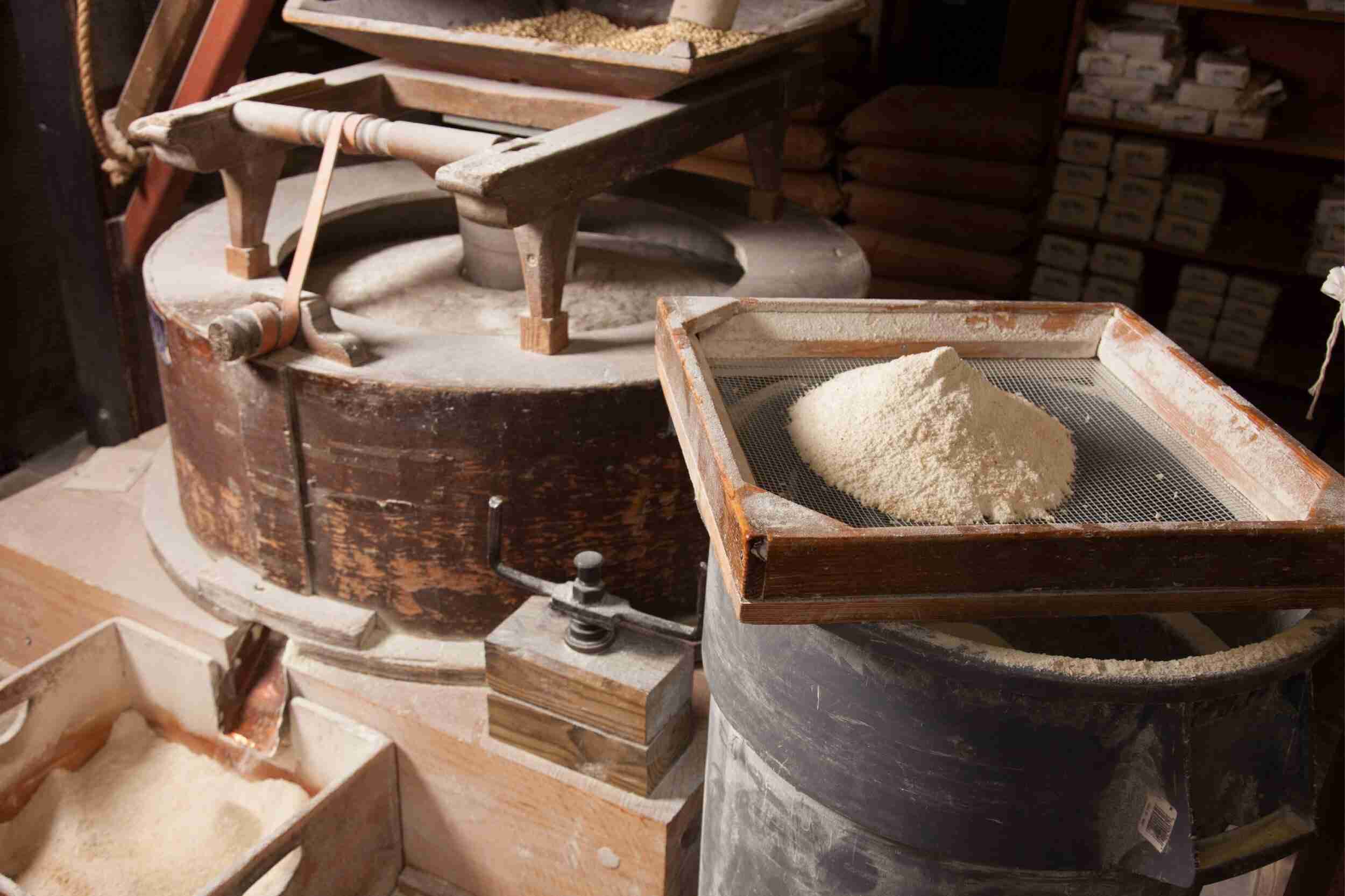
Exploring the Implications of the Mill’s Closure on Local Economy
The closure of the Chinese Rice Mill has left a void in the local economy that is being keenly felt by the community. With the mill being a major employer in the area, many workers now find themselves without jobs and struggling to make ends meet. This has had a ripple effect on businesses in the surrounding area, as the loss of disposable income has led to a decrease in consumer spending.
Furthermore, the closure of the mill has also impacted the supply chain, with local farmers now having to find alternative buyers for their crops. This has led to lower prices for produce, further exacerbating the financial strain on the agricultural sector. As the community grapples with the economic fallout of the mill’s closure, it is clear that the implications will be far-reaching and long-lasting.

Strategies for Revitalizing the Historic Rice Mill District
The historic Rice Mill District holds a hidden gem that has remained silent for centuries – the mysterious Chinese Rice Mill. Legends speak of the mill’s intricate design and advanced irrigation systems, believed to have been built by skilled Chinese immigrants who settled in the area during the gold rush era. Despite its architectural significance, the Chinese Rice Mill has been forgotten and left to decay, overshadowed by more prominent landmarks in the district.
Revitalizing the Chinese Rice Mill could breathe new life into the historic district, attracting curious visitors and history enthusiasts alike. By implementing strategic restoration efforts and promoting cultural awareness, the mill could serve as a tangible link to the past, showcasing the ingenuity and perseverance of the early Chinese settlers. Preserving this historical site would not only enhance the allure of the Rice Mill District but also honor the legacy of the individuals who shaped its unique identity.
Preserving the Cultural Heritage of the Abandoned Rice Mill
In the heart of the countryside lies an abandoned rice mill that was once bustling with activity. Since its closure decades ago, the Chinese Rice Mill has stood in silence, its walls telling stories of bygone eras. In an effort to preserve the cultural heritage of this historic site, a group of volunteers has come together to restore and protect the mill for future generations.
Through meticulous documentation of the mill’s architecture, machinery, and artifacts, the volunteers aim to showcase the rich history of rice production in the region. By creating exhibits and interactive displays, visitors will have the opportunity to immerse themselves in the daily life of those who worked at the mill. The ultimate goal is to create a living museum that honors the legacy of the Chinese Rice Mill and educates the public on the importance of preserving our cultural heritage.
The Conclusion
As we conclude our exploration of “The Silence of the Chinese Rice Mill”, we are left with a sense of intrigue and wonder. The eerie stillness that permeates the abandoned mill is a stark reminder of the passage of time and the inevitable march of progress. What stories lie hidden within its walls, waiting to be uncovered? Perhaps one day, the echoes of the past will once again resound through the empty corridors, and the rice mill will no longer be silent. But for now, it stands as a silent testament to a bygone era, patiently awaiting its next chapter to be written.




