
In the lush rice fields of Southeast Asia, a new innovation is stirring up the grains of tradition. Enter the combined rice mill, a revolutionary machine that is breaking boundaries and streamlining processes in the age-old practice of rice milling. As farmers and producers embrace this cutting-edge technology, the advantages are becoming undeniable. Join us as we explore the transformative power of the combined rice mill and the potential it holds for revolutionizing the world of rice production.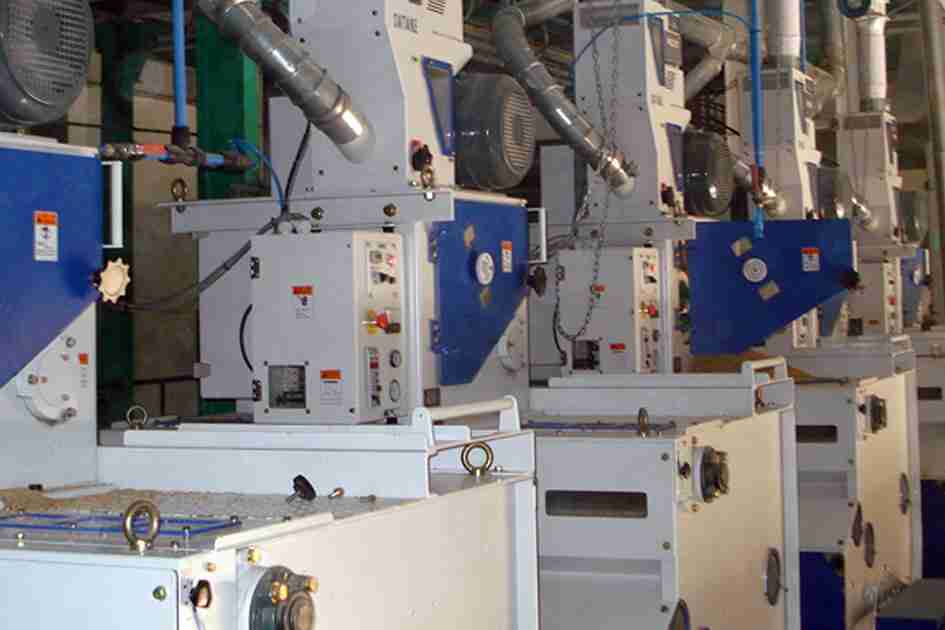
Advantages of a Combined Rice Mill Technology
Rice production has been a staple in many cultures for centuries, playing a crucial role in the global food supply. With the advancement of technology, combined rice mill technology has revolutionized the way rice is processed, offering numerous advantages for farmers and consumers alike.
One of the key benefits of combined rice mill technology is its efficiency in processing rice grains. By combining multiple processes such as cleaning, hulling, and polishing in a single machine, farmers can save time, energy, and resources. Additionally, this technology helps improve the quality of rice by ensuring uniformity in the grains, resulting in higher yields and better market value. With the use of modern machinery and automation, combined rice mills can significantly increase productivity and reduce labor costs, making it a cost-effective solution for rice farmers worldwide.
Improving Efficiency in Rice Processing
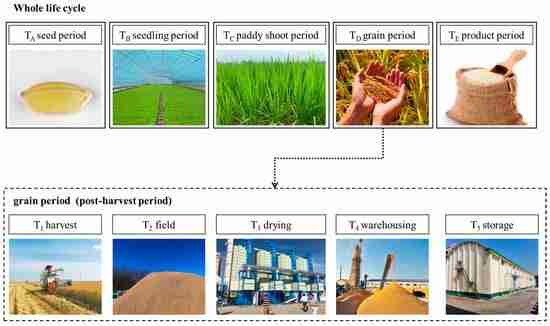
Rice processing is a crucial aspect of the food industry, with the demand for rice increasing globally. One method that has been gaining popularity is utilizing a combined rice mill, which offers various advantages compared to traditional processing methods. With a combined rice mill, the process becomes more streamlined and efficient, resulting in higher productivity and better quality rice.
One major advantage of a combined rice mill is the ability to perform multiple functions in one machine. This includes cleaning, husking, and polishing the rice all in one go, saving time and resources. Additionally, the integrated design of a combined rice mill reduces the need for multiple machines, saving space and reducing maintenance costs. With these benefits, revolutionizing rice processing with a combined rice mill is a smart investment for businesses looking to improve efficiency and quality in their operations.

Enhancing Quality Control in Rice Production
In order to enhance quality control in rice production, it is essential to consider the advantages of a combined rice mill. By utilizing a combined rice mill, farmers can streamline the production process, resulting in higher quality rice products for consumers. One of the key advantages of a combined rice mill is the ability to efficiently remove impurities and ensure uniformity in the final product.
Additionally, a combined rice mill can help reduce waste and increase overall productivity. With features such as automatic sorting and packaging, farmers can save time and resources while producing top-quality rice. In today’s competitive market, investing in a combined rice mill can revolutionize the way rice is produced and improve the overall quality control in the industry.
Maximizing Profitability with Combined Rice Mill Operations
One of the most innovative ways to maximize profitability in the rice milling industry is by implementing combined rice mill operations. By combining different stages of the rice milling process into one streamlined operation, rice mill owners can significantly increase efficiency, reduce costs, and improve overall profitability. Imagine a system where paddy separation, husking, milling, polishing, and packaging all happen seamlessly in one integrated process. This not only saves time and resources but also ensures a higher quality end product.
With a combined rice mill, operators can take advantage of various benefits such as reduced labor costs, increased output capacity, and improved product consistency. Additionally, having all the milling processes in one location allows for better quality control and quicker turnaround times. By investing in a combined rice mill, owners can revolutionize their operations and stay ahead of the competition in the ever-evolving rice industry.
Insights and Conclusions
In conclusion, the combined rice mill presents a revolutionary approach to rice processing that offers numerous advantages for farmers and consumers alike. From increased efficiency and cost savings to improved quality and versatility in rice products, this innovative technology is poised to transform the way rice is produced and consumed. As we continue to strive for sustainability and advancement in agriculture, the combined rice mill stands out as a game-changer in the industry. Embracing this new era of rice processing may just be the key to unlocking a brighter, more prosperous future for all involved.




