
In a world where technology continually reshapes the landscape of agriculture, a quiet yet transformative revolution is unfolding within the realm of grain production. Welcome to the era of the auto rice mill, where innovation and efficiency converge to redefine traditional practices. Gone are the days of labor-intensive processes and inefficiencies that have long plagued rice milling. With the advent of advanced machinery and automation, rice production is experiencing a seismic shift that promises to enhance yield, reduce waste, and streamline operations. In this article, we will explore how auto rice mills are not just changing the way we process rice, but also paving the way for a more sustainable and productive future in global grain production. Join us as we navigate through the intricacies of this emerging technology and its profound impact on farmers, consumers, and the broader agricultural landscape.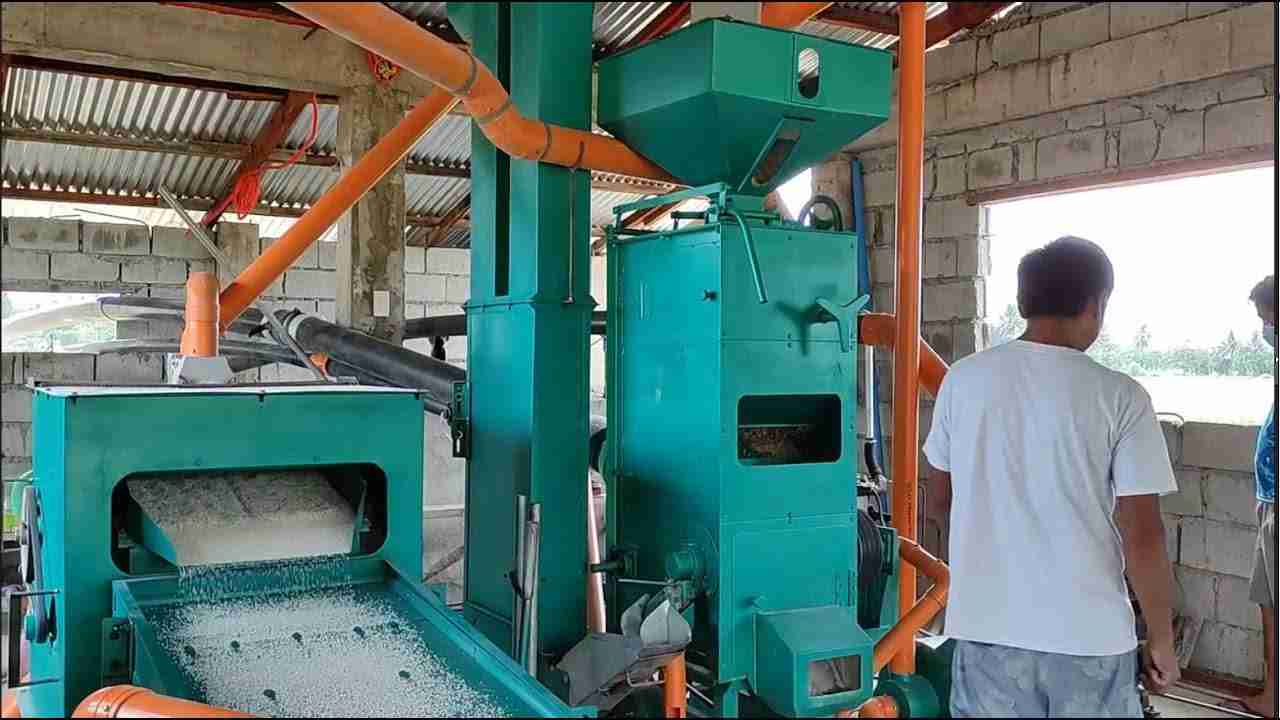
The Rise of Auto Rice Mills and Their Impact on Productivity
The advent of auto rice mills has ushered in a new era of efficiency and innovation in grain production. As traditional methods of milling become increasingly obsolete, the mechanization of rice processing stands out for its ability to significantly enhance productivity levels. This shift not only improves the quality of milled rice but also reduces labor costs and processing time. Farmers can now benefit from higher yields and greater profitability, as auto rice mills streamline operations through advanced technology. Key features of these mills include:
- Automated Processes: From dehusking to polishing, each stage is optimized for speed and functionality.
- Consistency in Quality: Advanced machinery ensures uniformity, contributing to better market prices.
- Eco-Friendly Practices: Reduced energy consumption and waste management initiatives support sustainable farming practices.
Moreover, the impact of auto rice mills extends beyond individual farms; it fundamentally transforms local economies and supply chains. With enhanced milling capacity, communities experience a shift towards more efficient grain markets where prices stabilize and availability rises. This evolution allows for a greater emphasis on export potential, enabling regions previously limited by manual milling techniques to compete globally. The following table outlines the benefits observed post-adoption of auto rice mills:
| Benefit | Description |
|---|---|
| Increased Efficiency | Reduction in processing time by up to 50% compared to traditional methods. |
| Cost Reduction | Lower labor and operational costs due to automation. |
| Market Expansion | Access to international markets owing to improved product quality. |

Enhancing Quality Control in Rice Production through Automation
In the quest for excellence in rice production, the integration of automation has served as a game-changer. By employing advanced technologies in quality control, farmers can ensure that every grain meets stringent standards. Automated visual inspection systems equipped with artificial intelligence can analyze the color, size, and quality of rice, identifying impurities or defects with remarkable precision. This not only enhances the overall quality but also minimizes the risk of human error during the inspection process. The shift towards automation facilitates a more efficient workflow, enabling producers to process larger volumes of rice while maintaining high standards.
Moreover, adopting automation in quality control helps streamline operations and reduce costs. Through the use of automated sorting machines, rice mills can maximize efficiency by categorizing grains based on quality. This allows a seamless transition from harvesting to packaging, ensuring that only the best products make it to market. Below is a simple comparison of traditional versus automated quality control approaches:
| Aspect | Traditional Method | Automated Method |
|---|---|---|
| Speed | Slower due to manual inspection | Fast and efficient processing |
| Accuracy | Subject to human error | High precision with AI technology |
| Cost | Higher labor costs | Reduced long-term operational costs |
Through these innovations, the industry is not just enhancing the quality of rice, but is also paving the way for a more sustainable and profitable future. Embracing automation allows rice producers to consistently deliver premium products that meet growing consumer demands while preserving the integrity of their workflows.
Sustainable Practices in the Auto Rice Mill Landscape
In the evolving landscape of grain production, the incorporation of environmental stewardship within rice milling operations is paramount. Sustainable practices in auto rice mills not only enhance efficiency but also minimize the ecological footprint of grain processing. By adopting energy-efficient machinery and innovative waste management techniques, mills can reduce their reliance on fossil fuels while decreasing greenhouse gas emissions. Key practices include:
- Utilization of solar energy: Integrating solar panels into the mill operations to harness renewable energy.
- Water conservation: Implementing water recycling systems to minimize water usage during rice processing.
- Eco-friendly packaging: Using biodegradable or recyclable materials for product packaging to reduce plastic waste.
Moreover, the focus on sourcing rice from sustainable farms further enhances the integrity of the production chain. Collaboration with local farmers ensures that practices such as organic farming and crop rotation are employed, promoting soil health and biodiversity. Rice mills that prioritize sustainability often report benefits not only for the environment but also for their bottom line. A snapshot of these benefits includes:
| Benefit | Description |
|---|---|
| Cost Savings | Reduced energy costs through renewable energy sources. |
| Brand Loyalty | Consumers increasingly prefer products from sustainable practices. |
| Regulatory Compliance | Meeting environmental regulations can reduce fines and improve community relations. |
Future Innovations: What’s Next for Grain Processing Technology
The evolution of grain processing technology is poised for exciting advancements that promise to transform the agricultural landscape significantly. Innovations are emerging that harness the power of machine learning, automation, and sustainable practices. These developments focus not only on improving efficiency and yield but also on reducing the environmental footprint of grain production. For instance, smart sensors integrated into processing equipment can provide real-time data, enabling farmers to optimize machinery performance while minimizing waste. Additionally, automated systems for sorting and packing are becoming integral, ensuring consistency in quality and reducing labor costs.
As we look towards the future, several key trends in grain processing technology are worth noting:
- Precision Agriculture: The use of drones and IoT devices to monitor crop health and soil conditions.
- Biotechnology: Advances in crop genetics that enhance resilience and nutritional value.
- Energy Efficiency: Development of machinery that consumes less energy and utilizes renewable sources.
These innovations, alongside emerging processing techniques such as ultrasonic milling and plasma technology, pave the way for more sustainable grain production. Furthermore, partnerships between tech companies and agricultural experts are expected to fuel a collaborative approach toward tackling challenges faced by the grain industry.
In Retrospect
As we stand on the cusp of a new era in agricultural innovation, the advent of the auto rice mill signifies more than just technological advancement; it heralds a transformative shift in how we perceive and practice grain production. By marrying efficiency with sustainability, these cutting-edge machines are not only redefining rural economies but also addressing global food security challenges with newfound vigor.
In embracing automation, we find ourselves at a crossroads where tradition meets modernity, where age-old practices are enhanced through smart technology. The auto rice mill is a testament to human ingenuity, transforming the labor-intensive journey of rice processing into a streamlined, effective operation that can benefit farmers and consumers alike.
As we move forward, the implications of this revolution extend beyond the fields into the hearts of communities and the fabric of global markets. It is essential that we engage with these innovations thoughtfully, ensuring that the benefits are shared equitably and that our agricultural practices remain sustainable for generations to come.
In the journey ahead, let us continue to cultivate not only rice but also knowledge, collaboration, and respect for the land that feeds us. The auto rice mill era is just the beginning—one that invites us to imagine a future where technology and nature coexist in harmony, propelling us toward a new agricultural landscape.




