
In the heart of fertile valleys and alongside winding rivers, the rhythmic pulse of Chinese rice mills echoes the cultural tapestry of a civilization steeped in agricultural heritage. “Harvesting Tradition: The Art and Innovation of Chinese Rice Mills” delves into the intricate dance of history and modernity, exploring how these age-old institutions have evolved from humble beginnings to become vital players in both local economies and global markets. With their origins rooted in ancestral practices, Chinese rice mills are more than just machines; they are living embodiments of tradition, blending time-honored techniques with cutting-edge technology. Join us as we uncover the stories woven into the grains, the craftsmanship behind the milling process, and the innovations that keep this essential industry vital in a rapidly changing world.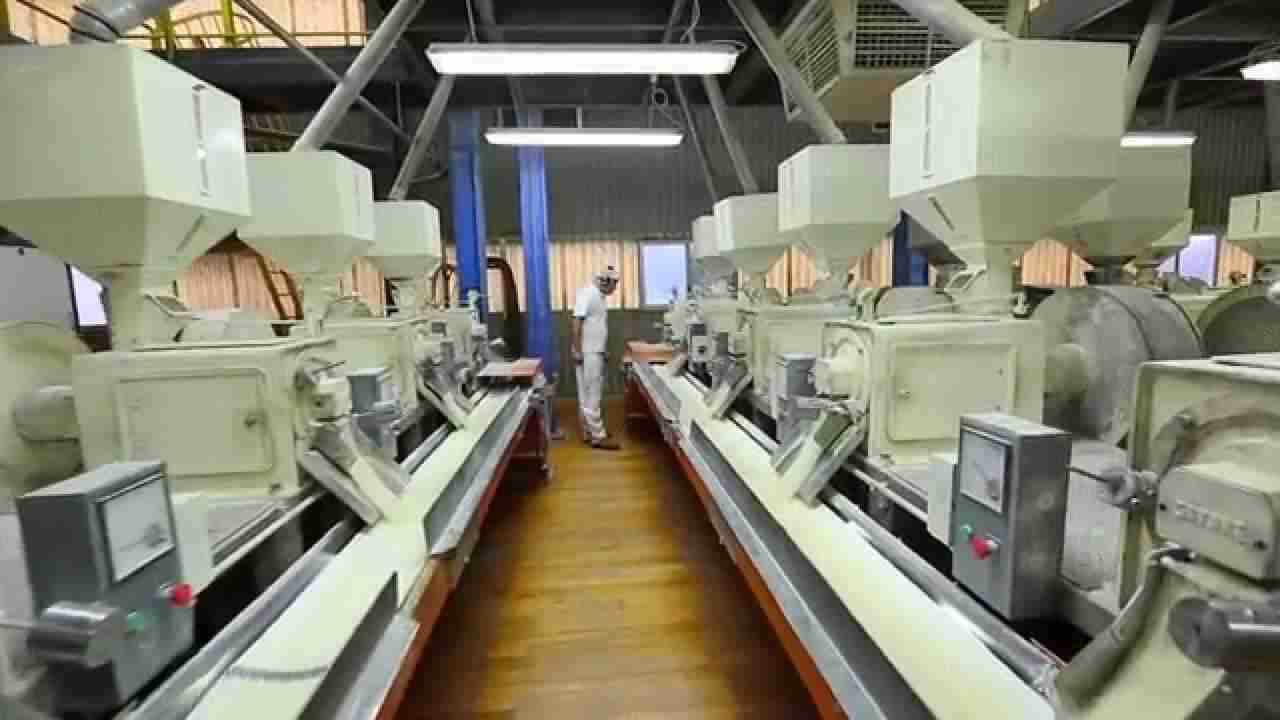
The Legacy of Rice Milling: Understanding Historical Techniques and Cultural Significance
Rice milling in China has deep historical roots, intertwining with the cultural fabric of various ethnic communities. Traditional techniques, characterized by manual processes, highlight a deep respect for the grain that has sustained populations for centuries. Before the advent of modern machinery, rice was milled using methods passed down through generations, including:
- Pounding rice in wooden mortars, an art that requires both skill and patience.
- Friction methods involving grinding stones that carefully removed husks while preserving the grain’s integrity.
- Water mills that harnessed natural resources, a marvel of engineering that served as community gathering points.
The cultural significance of these methods extends beyond mere sustenance; they embody communal unity and heritage. Communities would come together for milling festivals, celebrating the harvest and showcasing elaborate rituals that honor rice’s role in daily life. This unique blend of artistry and functionality is still evident in contemporary practices as millers strive to maintain these cultural traditions while embracing innovation. Today’s rice mills, while often mechanized, still reflect the principles of the past through:
- Eco-friendly practices, minimizing waste and promoting sustainability.
- Technological advancements that improve efficiency while retaining the quality of the rice.
- Workshops and demonstrations aimed at educating younger generations about the traditional art of rice milling.
| Techniques | Cultural Elements |
|---|---|
| Traditional Milling | Community Festivals |
| Water Mill Usage | Woodcraft and Symbolism |
| Modern Mechanization | Innovation and Tradition Balance |

Modern Innovations in Rice Processing: Bridging Tradition with Technology
In the heart of China, where rice has sustained civilizations for centuries, the age-old art of rice milling is experiencing a renaissance through modern technology. Traditional mills, often characterized by their manual and labor-intensive processes, are now interwoven with state-of-the-art innovations designed to enhance efficiency, quality, and sustainability. These advancements are enabling millers to uphold the rich cultural practices of rice processing while integrating methods that reduce carbon footprints and maximize yield. Techniques such as ultrasonic cleaning, precision milling, and smart monitoring systems are transforming the landscape, making it possible to process rice in ways that honor traditional values while meeting the demands of a rapidly changing world.
One of the standout innovations includes the integration of AI-driven analytics, which allows millers to optimize production through real-time data insights. This technology enables the assessment of grain quality and moisture levels, ultimately leading to superior end products. Moreover, solar-powered systems have emerged as a sustainable solution, minimizing energy costs while utilizing renewable resources. Through ongoing research and development, biodegradable packaging options are also becoming available, further bridging the gap between tradition and modern environmental consciousness. As these innovations continue to evolve, they promise not only to preserve the artisanal methods steeped in history but also to foster a more sustainable future for rice processing.
| Innovation | Description | Impact |
|---|---|---|
| Ultrasonic Cleaning | Utilizes sound waves for deep cleansing of rice grains. | Enhances purity and reduces contaminant levels. |
| Smart Monitoring | Real-time analytics for quality and moisture assessment. | Optimizes milling processes and improves product quality. |
| Solar-Powered Systems | Harnesses solar energy for milling operations. | Reduces energy costs and promotes sustainability. |
| Biodegradable Packaging | Environmentally friendly packaging alternatives. | Minimizes plastic waste and enhances brand sustainability. |
Sustainability in Action: Eco-Friendly Practices in Contemporary Rice Mills
In the heart of contemporary Chinese rice mills, sustainability emerges as a guiding principle, harmonizing tradition with innovation while advancing eco-conscious methods. Many rice mills are adopting renewable energy sources, such as solar panels and biomass fuel, to power their operations. This shift not only reduces carbon footprints but also promotes energy independence. Moreover, the integration of efficiency-enhancing technologies — like improved husking and milling machinery — minimizes waste and optimizes the grain yield, ensuring that every kernel is utilized.
Waste management strategies in these modern mills showcase a commitment to the environment. By repurposing by-products like husk and bran, mills are creating new avenues for sustainability. For instance, rice husk is being transformed into biodegradable packaging materials, while bran is being used in animal feed and health supplements. Additionally, water management practices have improved, with many facilities implementing closed-loop systems that recycle water more effectively. Below is a concise overview of some top eco-friendly practices currently embraced by contemporary rice mills:
| Practice | Description |
|---|---|
| Solar Power | Utilizing solar panels for energy needs. |
| Biomass Fuel | Using rice husks and bran as renewable energy sources. |
| Waste Repurposing | Transforming by-products into useful materials. |
| Water Recycling | Implementing closed-loop water systems. |
Enhancing Quality and Efficiency: Recommendations for Future Developments in Rice Milling
To propel the rice milling industry forward, it is crucial to implement innovative technologies and practices that uphold quality while increasing productivity. Embracing IoT (Internet of Things) technology can allow rice mills to monitor production processes in real time, identify bottlenecks, and optimize operations accordingly. Moreover, the utilization of automated machinery can greatly enhance efficiency. This would not only reduce the workload on human operators but also facilitate consistent quality in the milled rice. Additionally, investing in sustainability initiatives such as water recycling systems and waste biomass utilization can significantly reduce environmental impact and operating costs.
Further, fostering continuous education and training for personnel can ensure that workers are adept in using modern equipment and implementing best practices. This investment in human capital can create a workforce that is both skilled and innovative, capable of responding swiftly to market demands. Collaborative networks among rice mill operators can also be beneficial, allowing for the sharing of resources and knowledge. Key recommendations for future developments include:
- Adoption of advanced milling technologies
- Enhanced quality control measures
- Integration of analytics for performance tracking
- Promotion of eco-friendly practices
- Development of industry partnerships for shared innovation
Such collective efforts can culminate in a rice milling industry that honors traditional methods while harnessing innovative advancements, paving the way for sustainable growth.
The Conclusion
As we conclude our exploration of the intricate tapestry woven by Chinese rice mills, it becomes evident that these establishments are more than mere machines; they are vessels of tradition and innovation. Each grain of rice that passes through their gears carries with it a legacy of cultural significance, agricultural expertise, and craftsmanship, echoing the rhythm of a society deeply rooted in the land.
The harmonious blend of age-old practices with modern techniques paints a picture of resilience and adaptability, showcasing how tradition can thrive alongside technological advancement. As we celebrate the art of rice milling, we are reminded of the enduring connection between people and their food, the nuances of which are thoughtfully preserved and continually reinvented.
In a world that often rushes forward, the journey of rice — from paddy field to plate — invites us to pause, appreciate, and reflect on the narratives that shape our culinary landscape. With each harvest, we honor the past while nurturing the promise of future innovations, ensuring that the artistry of Chinese rice mills will endure for generations to come. So, let us raise a bowl of rice in gratitude for the hands that cultivate, mill, and prepare this fundamental grain, and for the stories that linger in every bite.




