
From Grain to Gourmet: The Journey Through a Rice Mill
Imagine a humble grain, known for its simplicity and versatility, evolving into a culinary masterpiece that graces tables across the globe. The journey of rice—from the lush paddies of Asia to the upscale kitchens of gourmet restaurants—warrants not only appreciation but also understanding. It begins in a rice mill, where the unassuming grain undergoes a meticulous transformation, guided by centuries of tradition and cutting-edge technology. In this article, we invite you to explore the intricate process that turns rough husks into polished pearls, shedding light on the craftsmanship behind each grain. Join us as we uncover the art and science that breathes life into rice, revealing how this staple ingredient travels from field to fork, elevating meals with its unique flavors and textures.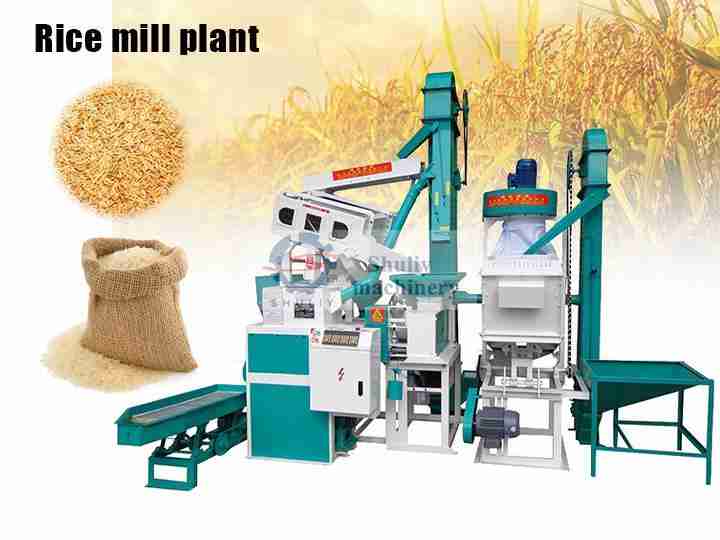
Exploring the Anatomy of a Rice Mill: Understanding the Machinery and Processes
At the heart of a rice mill lies a fascinating array of machinery, each component playing a crucial role in the transformation from raw grain to polished product. The journey begins with the cleaning system, where the rough husks and impurities are meticulously removed. This is followed by dehulling, a process where the outer shells are stripped away, revealing the precious kernels within. These kernels then proceed to the milling phase, which typically includes multiple machines such as the whitener and polisher, carefully refining the rice for a smooth, appealing finish.
Key machinery in the milling process can be categorized as follows:
- Receiving and Storage: Ensures proper intake and holding of grains.
- Husking Machine: Efficiently removes the husk from brown rice.
- Milling Machine: Utilizes rollers to mill the rice, creating a white, polished product.
- Grading Equipment: Sorts rice based on size and quality.
- Packing Unit: Prepares finished rice for distribution in various packaging formats.
| Process Stage | Description |
|---|---|
| Receiving | Grains are collected and sorted at the mill’s receiving dock. |
| Cleaning | Grains are cleaned to remove debris and stones. |
| Dehulling | The outer husk is removed, leaving brown rice. |
| Milling | Rice is polished and whitened for aesthetic appeal. |
| Packaging | Finished rice is packaged for market distribution. |
From Raw Grain to Polished Perfection: The Transformation Journey
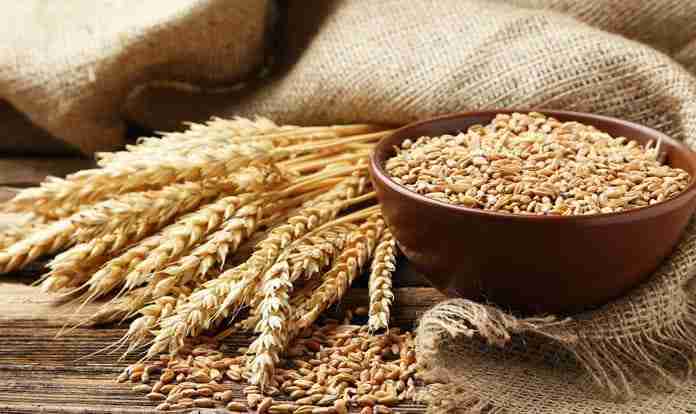
As the sun rises over the vast fields, the journey of rice begins long before it reaches our plates. Once the paddy is harvested, it undergoes a meticulous process at the rice mill, where raw grain is transformed into the polished grains we all recognize. This transformation involves several key stages:
- Cleaning: Freshly harvested paddy is cleaned to remove impurities like stones and dust, ensuring that only the finest grains move forward.
- Hulling: The outer husk is removed, revealing the brown rice beneath. This step is crucial as it prepares the rice for further milling.
- Polishing: Brown rice is then polished, stripping away the bran layers to yield white rice, giving it that appealing shine.
- Grading: The final step involves sorting the rice by quality, ensuring that only the best grains are packaged for consumers.
| Stage | Description |
|---|---|
| Cleaning | Removing unwanted materials. |
| Hulling | Separation of husk from grain. |
| Polishing | Enhancing appearance and quality. |
| Grading | Categorizing based on quality. |
This exceptional journey not only transforms the physical characteristics of rice but also enhances its flavor and nutritional value. By meticulously managing each phase of production, rice mills play a vital role in ensuring that consumers receive a product that is not only visually appealing but also wholesome. Each polished grain reflects the dedication and precision involved in its journey from field to fork, revealing a world of expertise that often goes unnoticed.
Sustainability in Milling: Best Practices for Eco-Friendly Rice Production
Embracing eco-friendly practices in the milling process is not just a trend but a necessity for sustainable rice production. Modern rice mills are now implementing best practices that significantly minimize their ecological footprint. One effective strategy is to utilize renewable energy sources, such as solar and biogas. By harnessing alternative energy, mills can dramatically reduce their reliance on fossil fuels, therefore decreasing greenhouse gas emissions. Furthermore, by optimizing water usage through closed-loop systems and recycling, mills contribute to the conservation of this precious resource.
Moreover, integrating sustainable agricultural practices ensures that the rice grown has minimal impact on the environment. Mills can collaborate with farmers to adopt practices such as crop rotation and organic farming, which enrich the soil and promote biodiversity. Another innovative approach is the use of technology for monitoring and managing the rice production process. Precision agriculture techniques allow for efficient resource allocation, reducing waste while maximizing yield. The table below summarizes key eco-friendly practices in rice milling:
| Practice | Benefit |
|---|---|
| Renewable Energy Integration | Reduces carbon footprint |
| Water Recycling | Conserves water resources |
| Organic Farming Collaboration | Enhances soil quality |
| Precision Agriculture | Maximizes yield and efficiency |
Cooking with Purpose: Elevating Your Dishes with Gourmet Rice Varieties
Transforming simple meals into culinary masterpieces is a journey best undertaken with the right ingredients. Gourmet rice varieties bring both flavor and texture to your dishes, allowing you to unlock a world of creativity in the kitchen. By exploring luxurious options such as Arborio, known for its creamy risottos, or the nutty-sweet notes of Jasmine rice, you can elevate everyday recipes into confident expressions of taste. Each grain tells a story rooted in its origin, ranging from the enchanting paddies of Thailand to the ancient terraces of Italy, making your meals not just nourishing, but also rich in cultural heritage.
To inspire your cooking adventures, consider integrating these refined rice varieties into your meal plan:
- Basmati Rice: Perfect for curries and pilafs, its long grains separate beautifully and absorb flavors.
- Black Rice: A striking addition to salads and desserts, it is rich in antioxidants and provides a delightful chew.
- Forbidden Rice: This ancient grain pairs well with roasted vegetables, delivering a visually stunning dish.
To illustrate the versatility of gourmet rice, here’s a quick comparison of a few standout varieties:
| Rice Variety | Texture | Best For |
|---|---|---|
| Arborio | Creamy | Risottos |
| Jasmine | Fragrant & Fluffy | Curry Dishes |
| Basmati | Light & Fluffy | Pilafs |
Wrapping Up
As we conclude our exploration of the journey from grain to gourmet, we find ourselves immersed in the transformative power of a humble grain of rice. From its origins in sun-drenched fields to its meticulous journey through a rice mill, each stage is a testament to human ingenuity and tradition. The rhythmic thump of machines and the artful precision of milling reveal a world where nature and technology harmoniously intertwine.
Whether it ends up as a comforting bowl of risotto or as a versatile ingredient in a myriad of global cuisines, rice is more than just sustenance; it’s a symbol of culture, community, and culinary creativity. As we savor our next rice-inspired dish, let us take a moment to appreciate the intricate processes and the dedicated hands that bring this staple from the earth to our plates. it reminds us that every grain has a story, waiting to be told with every delicious meal.




