
In the heart of agricultural innovation, where tradition meets modernity, the efficiency of tools and machinery plays a pivotal role in shaping the future of food production. Among these tools, the 5-ton rice mill stands out as a symbol of technological advancement and operational capability. With rice being a staple food for over half the world’s population, optimizing the milling process is not merely a matter of enhancing productivity but a critical step towards ensuring food security and sustainability. In this article, we delve into the inner workings of a 5-ton rice mill, examining its design, performance metrics, and overall impact on the milling industry. By exploring its efficiency, we aim to uncover how this powerful machine not only transforms raw grains into polished rice but also contributes to the economic viability of communities that depend on this vital crop. Join us as we unravel the intricacies of rice milling technology and its crucial role in the global food landscape.
Understanding the Core Mechanisms of a 5-Ton Rice Mill
At the heart of a 5-ton rice mill lies an intricate system designed to optimize efficiency and enhance yield. The primary components work seamlessly together to convert paddy into polished rice through a series of steps that include dehusking, milling, and grading. The process begins with the paddy separator, which ensures that only clean grains enter the milling chamber. Following this, the dehusking unit removes the outer husk, efficiently releasing the rice without causing unnecessary damage to the kernels. the polishing machine adds that final touch for appearance, producing clean and shiny grains ready for market.
To further break down the mechanisms at play, it’s essential to understand the importance of automation in modern rice mills. These systems significantly reduce human error and increase processing speed, allowing the mill to operate at full capacity while minimizing wastage. Key features include:
- Advanced sensors that monitor grain quality in real-time
- Automated sorting systems that classify rice based on size and weight
- Energy-efficient motors that reduce overall power consumption
Through these innovative mechanisms, a 5-ton rice mill not only maximizes output but also ensures the production of high-quality rice, catering to the demands of consumers while maintaining sustainability in agricultural practices.
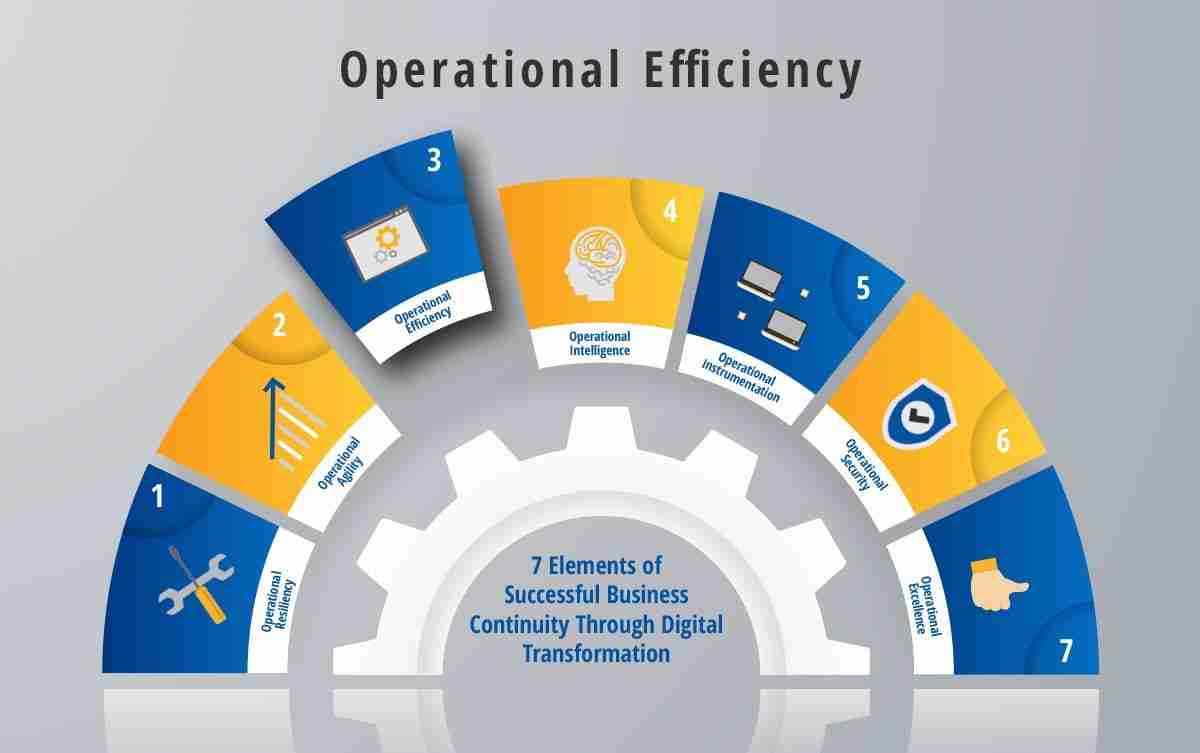
Evaluating Operational Efficiency and Production Metrics
In assessing the operational effectiveness of a 5-ton rice mill, it is essential to focus on key production metrics that reflect the performance and output of the equipment. Critical factors include the overall yield rate, which indicates the proportion of rice produced relative to the input of paddy. Analyzing downtime is also paramount; understanding the frequency and duration of maintenance or repair activities provides insight into the mill’s reliability. Additionally, energy consumption per ton of rice processed serves as a crucial metric that can inform decisions on resource allocation and environmental impact. This can be evaluated through the following aspects:
- Processing Time: The speed at which the mill converts paddy to rice.
- Waste Ratio: The volume of byproducts generated during milling.
- Labor Efficiency: The effectiveness of the workforce in relation to output.
To illustrate these metrics visually, a simple comparison table can help clarify the operational benchmarks of a typical 5-ton rice mill. This allows for easier appraisal of efficiency standards against industry norms:
| Metric | Industry Standard | Current Mill Performance |
|---|---|---|
| Yield Rate | 68% | 70% |
| Downtime | 10% | 7% |
| Energy Consumption | 150 kWh/ton | 140 kWh/ton |
By reviewing these metrics, stakeholders can identify strengths and weaknesses in production processes, ultimately paving the way for continuous improvement initiatives. Understanding how these numbers interconnect can also help in strategic planning, enabling the mill to enhance its competitiveness in the market.
Enhancing Maintenance Practices for Longevity and Performance
Ensuring the efficiency and longevity of your 5-ton rice mill hinges on implementing robust maintenance practices. Regular maintenance not only keeps your machine running smoothly but also optimizes its performance, directly impacting your productivity. Essential maintenance activities should include:
- Daily Inspections: Check for any unusual noises or leaks that could indicate potential issues.
- Lubrication: Ensure that all moving parts are properly lubricated to reduce friction and wear.
- Cleaning: Regularly clean the machine to prevent the accumulation of rice husks and dust, which can hinder performance.
- Calibration: Maintain the accuracy of the settings to ensure even milling and prevent wastage.
Additionally, a structured maintenance schedule tailored to your usage patterns can further enhance operational efficiency. Here’s a simple maintenance table to help guide your practices:
| Maintenance Task | Frequency | Notes |
|---|---|---|
| Check belts and pulleys | Weekly | Replace worn components promptly to avoid breakdowns. |
| Inspect electrical connections | Monthly | Look for signs of wear or corrosion to ensure safety. |
| Full machine clean | Quarterly | Deep cleaning promotes better airflow and efficiency. |
By adhering to these maintenance practices, rice mill operators can not only extend the lifespan of their machinery but also enhance overall productivity, ensuring that operations remain profitable and efficient over time.
Strategic Innovations to Maximize Output and Reduce Waste
In the quest for enhanced performance, modern rice mills are increasingly adopting cutting-edge technologies to boost productivity while minimizing waste. By integrating automated sorting systems and smart sensors, operators can achieve precision in grain selection, ensuring only the best quality rice reaches customers. These innovations not only streamline the milling process but also significantly reduce the amount of grain lost during production. Additionally, embracing energy-efficient machinery not only curtails energy consumption but also lowers operational costs, making rice milling more sustainable in the long run.
Moreover, implementing data analytics allows mill operators to continuously monitor performance metrics, leading to real-time adjustments and improved efficiency. For instance, by analyzing flow rates and processing times, mills can identify bottlenecks and optimize workflow. This strategic use of big data can result in a more responsive production line. Consider the transformation through the implementation of waste recovery systems, which can convert by-products into value-added services, such as animal feed or biofuel, promoting a circular economy within the milling industry.
| Innovation | Impact on Efficiency | Reduction in Waste |
|---|---|---|
| Automated Sorting Systems | Increased accuracy in grain selection | Minimized disallowed grain loss |
| Smart Sensors | Real-time monitoring of processes | Early detection of issues, reducing downtime |
| Energy-efficient Machinery | Lower energy costs | Less resource consumption overall |
| Data Analytics | Improved operational adjustments | Enhanced process optimization |
Concluding Remarks
the exploration of the 5-ton rice mill reveals not just a machine, but a pivotal player in the agricultural landscape. As we’ve delved into its engineering marvels and operational efficiencies, it’s clear that this rice mill stands at the intersection of tradition and technology, giving farmers the means to process their harvests with both speed and precision.
Embracing innovations such as automation, energy efficiency, and enhanced yield capabilities, the 5-ton rice mill is not merely a tool of production; it’s a catalyst for growth in rural economies. By understanding the intricacies of its design and functionality, we can appreciate its role in feeding communities and sustaining livelihoods.
As we wrap up our exploration, we invite you to reflect on the importance of such advancements in the agricultural sector. The journey of rice, from paddy to plate, is supported by machinery like the 5-ton rice mill—an unsung hero in our global food system. With a commitment to continual improvement and sustainable practices, the future of rice milling looks promising, ensuring that generations to come can enjoy the fruits of our labor.




