
In the realm of agriculture, innovation often marks the boundary between tradition and progress. Welcome to the world of rice milling—a critical yet often overlooked aspect of grain processing that has undergone a transformative evolution in recent years. This article delves into the intricacies of the rice milling unit, a technological marvel that not only enhances efficiency and productivity but also plays a pivotal role in ensuring food security. As we unveil the inner workings of this grain processing revolution, we will explore how modern techniques and machinery are reshaping the landscape of rice production, making it more sustainable and accessible. Join us on this journey to discover the impact of these advancements on farmers, consumers, and the global food supply chain.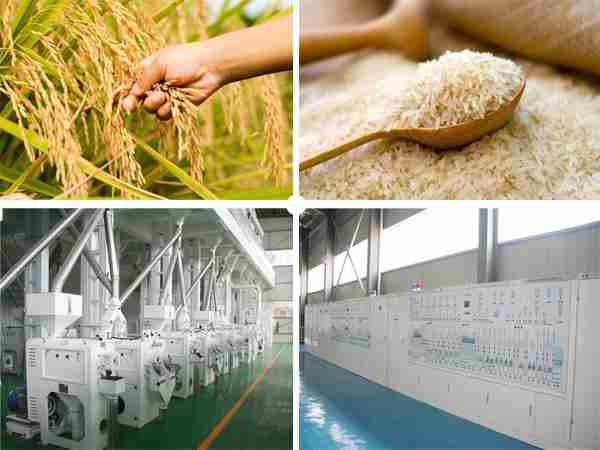
The Evolution of Rice Milling: Transforming Grain into Gold
Throughout history, the process of rice milling has undergone a remarkable transformation, evolving from rudimentary methods to sophisticated technology. In the early days, rice was milled using simple tools like mortars and pestles, requiring enormous labor and time. As societies progressed, innovations emerged. The advent of water-powered and wind-powered mills significantly increased efficiency, enabling larger quantities of rice to be processed swiftly. The advent of mechanized milling in the 19th century brought forth faster, more consistent results, paving the way for modern milling techniques where precision and quality reign supreme.
Today’s rice milling units integrate advanced technology, resulting in enhanced productivity and reduced waste. Modern facilities utilize *state-of-the-art automation* and *sensor technology* to ensure optimal polishing and grading of rice. Notable features include:
- Dehusking machines that separate the husk without damaging the grain.
- Whitening units that refine the rice while preserving its nutritional content.
- Color sorters that use optical sensors to eliminate discolored grains and foreign materials.
Moreover, environmental considerations have shifted the landscape as well, with many milling units adopting eco-friendly practices that minimize energy consumption and waste production. Collaborative efforts in research and development have led to more efficient systems, which not only cater to growing global demands but also set the stage for a more sustainable future in grain processing.
| Feature | Benefit |
|---|---|
| Automated Process Control | Increases efficiency and consistency |
| Energy-Efficient Machineries | Reduces operational costs |
| Advanced Milling Techniques | Preserves grain quality and nutrients |

Understanding the Technology Behind Modern Rice Milling Units
Modern rice milling units are a blend of traditional methods and cutting-edge technology, designed to maximize efficiency and minimize grain loss. These units utilize advanced machinery that integrates several processes, including pre-cleaning, parboiling, and milling, for optimal results. Key components such as paddy separators, stone huskers, and whitening machines work in harmony to ensure that the rice is processed effectively, preserving its nutritional value while enhancing its marketability. The use of sensors and automation in these units further streamlines operations, allowing for real-time monitoring and adjustments that maintain high-quality output.
The innovation in rice milling technology extends to environmental sustainability as well. Many modern units are tailored to be energy-efficient, employing solar power and biomass as alternative energy sources. By investing in advanced filters and dust collection systems, these units minimize their ecological footprint, contributing to cleaner air and reducing waste. Additionally, digital interfaces are now commonplace, enabling mill operators to manage settings easily, track production data, and perform maintenance checks with ease. This combination of sustainability and efficiency defines the future of rice milling, setting the stage for a new era in grain processing.
Sustainability in Rice Processing: A Path Towards Eco-Friendly Practices
In the quest for greener solutions, the rice processing industry is leading the charge towards sustainability by adopting innovative practices that not only enhance efficiency but also minimize environmental impact. Integrating eco-friendly technologies—such as solar-powered milling units and waste recycling systems—has become paramount. These advancements not only reduce the carbon footprint but also promote a circular economy by utilizing by-products from rice milling, such as husks and bran, for energy production and animal feed. Key practices gaining traction include:
- Water Conservation: Employing closed-loop water systems to reduce usage.
- Energy Efficiency: Implementing renewable energy sources, like solar and biomass.
- Waste Reduction: Transforming waste into value-added products.
Furthermore, rice processing units are increasingly required to adopt eco-certifications and adhere to globally recognized sustainability standards. This commitment not only fosters consumer trust but also positions producers favorably in a market increasingly driven by conscious consumerism. A detailed look at the benefits of sustainable practices in rice processing reveals:
| Benefit | Description |
|---|---|
| Enhanced Marketability | Products that meet eco-standards attract environmentally conscious consumers. |
| Lower operational costs | Investing in energy-efficient technologies reduces long-term expenses. |
| Resource Optimization | Maximizing by-product usage contributes to a more sustainable cycle. |
Maximizing Efficiency: Strategic Recommendations for Rice Mill Operators
To elevate productivity and performance within rice milling operations, adopting a series of well-thought-out strategies is pivotal. First, operators should prioritize optimal machinery maintenance to minimize downtime. This involves establishing a regular maintenance schedule, ensuring that all equipment, from huskers to polishers, is in peak condition. Furthermore, implementing modern technological solutions, such as automated monitoring systems, can streamline operations and enhance precision throughout the milling process.
Additionally, consider focusing on staff training and engagement. Regular workshops can foster a culture of continuous improvement and equip the workforce with the latest techniques and practices in rice processing. Another critical aspect is inventory management; utilizing just-in-time (JIT) inventory systems can reduce storage costs and enhance cash flow. The table below outlines key performance indicators (KPIs) that rice mill operators can track to assess efficiency gains:
| KPI | Target Value | Current Value |
|---|---|---|
| Overall Equipment Effectiveness (OEE) | 85% | 75% |
| Downtime Percentage | 5% | 10% |
| Paddy Yield | 70% | 65% |
| Employee Training Hours | 20 hours/year | 10 hours/year |
Future Outlook
As we conclude our exploration of the Rice Milling Unit and its transformative impact on grain processing, it becomes evident that this innovation is more than just a technological advancement; it is a catalyst for change in the agricultural landscape. By enhancing efficiency, ensuring quality, and maximizing yields, the Rice Milling Unit not only elevates the grain industry but also holds the potential to improve livelihoods for farmers and communities alike. As we look to the future, it is clear that embracing such innovations will be crucial in meeting the challenges of a growing global population and shifting dietary needs. With ongoing developments and improvements on the horizon, the journey of grain processing continues to evolve, promising a new era for the humble rice grain and its vital role in the world.




