
Unlocking Potential: The 2-Ton rice mill plant Project
In a world where agricultural advancements and rural development are paramount, the potential for transformation often lies within the humble grains of rice. The “Unlocking Potential: The 2-Ton rice mill plant Project” emerges as a beacon of innovation and opportunity, designed to elevate local economies and empower communities. This initiative not only reflects a commitment to enhancing productivity but also aims to streamline processes that have long hampered small-scale farmers. As we delve into the intricacies of this project, we will explore how a modest 2-ton rice mill can catalyze change, improve livelihoods, and foster sustainable practices in rice production. Join us as we navigate the complexities of this initiative, revealing how it holds the key to unlocking potential—one grain at a time.
Exploring the Economic Impact of a 2-Ton rice mill plant
The establishment of a 2-ton rice mill plant serves as a catalyst for economic growth and development within local communities. This venture not only enhances the agricultural value chain but also provides numerous employment opportunities. By utilizing local resources, the plant fosters the livelihood of farmers by ensuring they have a steady market for their paddy. Additionally, the mill stimulates various ancillary businesses, such as transportation and packaging, thus creating a ripple effect that welcomes more economic activities in the region.
Furthermore, the implementation of modern milling technology enables the production of higher-quality rice, which can help tap into premium market segments. Some key economic benefits include:
- Job Creation: Direct and indirect employment opportunities that boost local income levels.
- Increased Income for Farmers: A reliable and fair market price for paddy, improving their financial stability.
- Enhanced Local Food Security: Increased availability of processed rice contributes to food stability within the community.
- Revenue Generation: Tax revenues for local governments from increased business activities.
| Economic Impact Factor | Expected Outcome |
|---|---|
| Employment Opportunities | 50-100 jobs created |
| Increased Local GDP | Estimated 2-4% growth |
| Farmer Income | 20% increase |
| Local Business Growth | 5-10 new businesses |

Innovative Technology and Sustainable Practices in Rice Milling
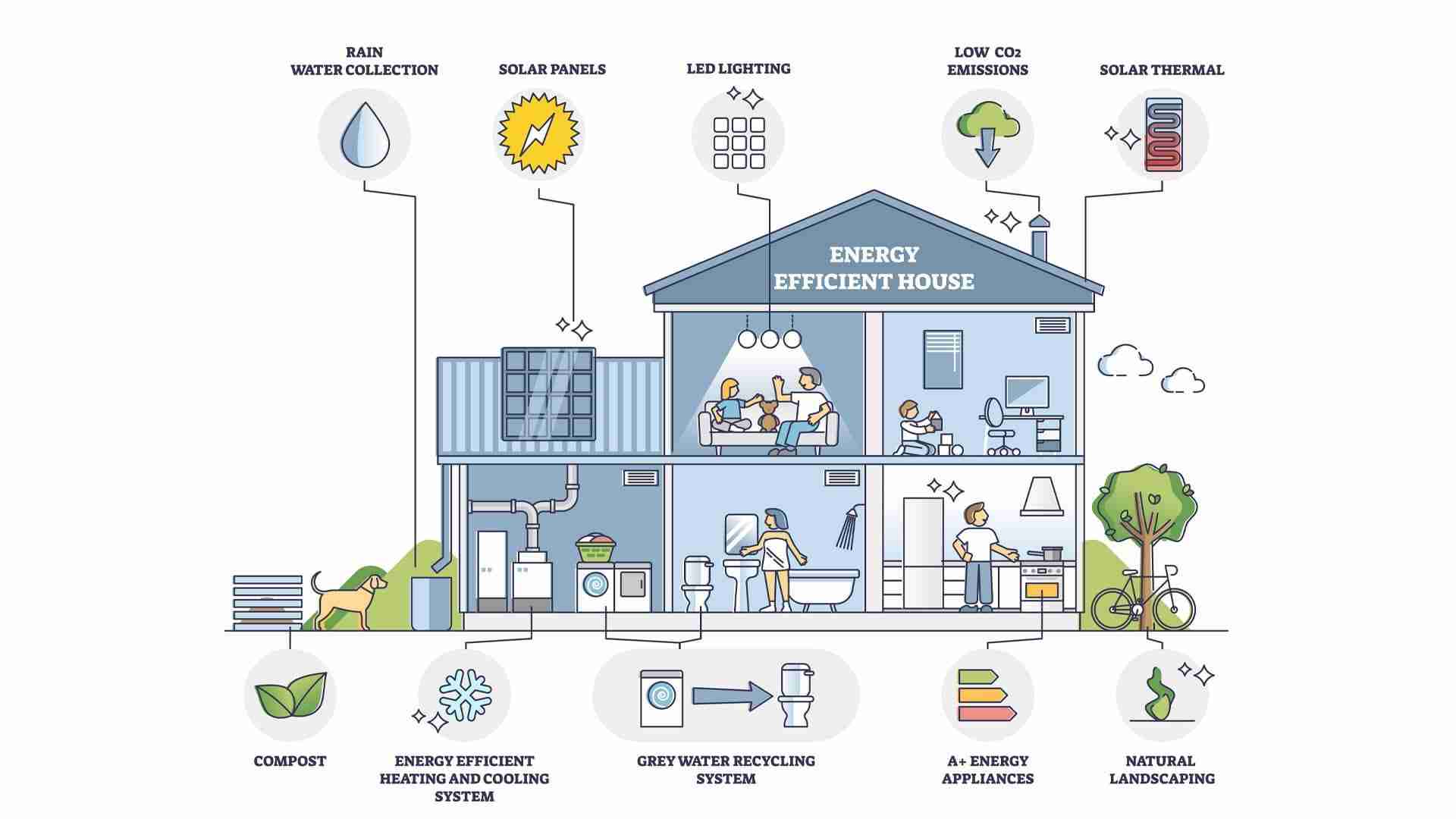
The integration of cutting-edge technology with sustainable practices is revolutionizing the rice milling industry. With the advent of energy-efficient machinery and smart automation systems, rice mills can now operate more efficiently while minimizing their environmental impact. These advancements include solar-powered drying systems that utilize renewable energy, water recycling mechanisms to reduce waste, and advanced milling equipment that maximizes yield with minimal energy consumption. By incorporating these innovations, mills can not only increase productivity but also adhere to more sustainable operations, which is crucial for long-term viability in today’s eco-conscious market.
Furthermore, sustainable sourcing of materials and ethical labor practices are becoming focal points within the rice milling sector. Implementing traceability systems ensures that rice is sourced responsibly, supporting local farmers and promoting biodiversity. Additionally, modern rice mills are adopting waste-to-energy technologies, where by-products from milling are converted into usable energy, creating a closed-loop system. This holistic approach enhances the appeal of the rice milling process as a whole and attracts investors who are keen on meeting both profitability and sustainability goals. To illustrate these advancements, the table below highlights key technologies and practices that are shaping the future of rice milling:
| Technology/Practice | Benefit |
|---|---|
| Solar-Powered Drying Systems | Reduces reliance on fossil fuels and lowers operational costs. |
| Water Recycling Mechanisms | Minimizes water waste and promotes conservation efforts. |
| Smart Automation Systems | Enhances efficiency and precision in milling processes. |
| Waste-to-Energy Technologies | Utilizes by-products to power operations, reducing waste. |
Maximizing Efficiency: Key Features of the 2-Ton Rice Mill Design
Efficiency is paramount in the design of a 2-ton rice mill, where every component works harmoniously to ensure peak performance. Key features that contribute to this efficiency include advanced milling technology and automated processes. These elements not only streamline operations but also minimize waste and reduce labor costs. By integrating state-of-the-art husking machines and precision milling units, the design eliminates the risk of broken rice, ensuring a higher quality product. Additionally, the inclusion of vibration control systems helps maintain consistent operations and extends machinery lifespan.
Moreover, energy efficiency plays a crucial role in the overall design, with the incorporation of eco-friendly mechanisms that significantly lower power consumption. The plant also benefits from an intuitive user interface that simplifies machine operation and monitoring, allowing operators to quickly adjust settings for optimal output. Below is a summary of the major features that enhance the 2-ton rice mill’s performance:
| Feature | Description |
|---|---|
| Advanced Milling Technology | Ensures minimal grain damage and superior rice quality. |
| Automated Processes | Reduces labor requirements and enhances consistency. |
| Energy-Efficient Design | Lowers operating costs through reduced power consumption. |
| User-Friendly Interface | Simplifies operator interaction for better control. |
Strategies for Community Engagement and Support in Agricultural Projects
Building a thriving agricultural project, such as the 2-ton rice mill plant, necessitates meaningful connections with the community. Engaging local stakeholders early in the planning process fosters a sense of ownership and empowers residents to contribute to the project’s success. Here are some approaches to consider:
- Collaborative Workshops: Host interactive sessions where community members can voice their opinions and share insights, fostering collaboration towards common goals.
- Feedback Mechanisms: Establish channels for continuous dialogue, such as surveys or suggestion boxes, to listen to the community’s needs and adapt accordingly.
- Support Local Initiatives: Collaborate with local farmers to understand their challenges, and tailor project components that can provide direct assistance or training.
Moreover, providing tangible support within the community can significantly enhance the project’s impact. Consider the following strategies to offer assistance and foster goodwill:
| Support Initiatives | Description |
|---|---|
| Financial Literacy Programs | Equip farmers with knowledge on managing finances for better investment in their operations. |
| Technical Training | Offer training in modern agricultural techniques to improve yield and quality. |
| Cooperative Models | Encourage the formation of cooperatives for pooling resources and sharing knowledge. |
By actively engaging with the community through workshops and ongoing support, the 2-ton rice mill project can establish itself as a model for cooperation and prosperity, ultimately transforming the local agricultural landscape.
The Way Forward
the 2-Ton rice mill plant Project stands as a testament to innovation in agriculture and food production. By harnessing advanced technology and sustainable practices, this initiative not only aims to enhance rice processing efficiency but also seeks to uplift local economies and empower farmers. As we witness the evolution of agricultural infrastructures, the potential to drive socio-economic change becomes increasingly clear. This project represents more than just machinery; it symbolizes hope, opportunity, and the promise of a more prosperous future for communities reliant on rice cultivation. As we move forward, may this endeavor inspire more initiatives that prioritize sustainability and inclusivity, ultimately unlocking the full potential of our agricultural landscapes.




