
In a world where technological advancements continually reshape industries, agriculture stands on the brink of a pivotal transformation. Among the staple crops that sustain billions, rice holds a special significance, providing nourishment and economic stability to numerous populations worldwide. As the demand for efficient food production escalates, the focus pivots toward the modernization of rice milling processes. Enter fully automatic rice milling – a innovation poised to revolutionize an age-old tradition. This article delves into the intricate landscape of automated rice processing, exploring its potential benefits, the challenges it faces, and its implications for the future of farming. Join us as we unravel how cutting-edge technology is not only redefining productivity but also fostering sustainability in the heart of rice production.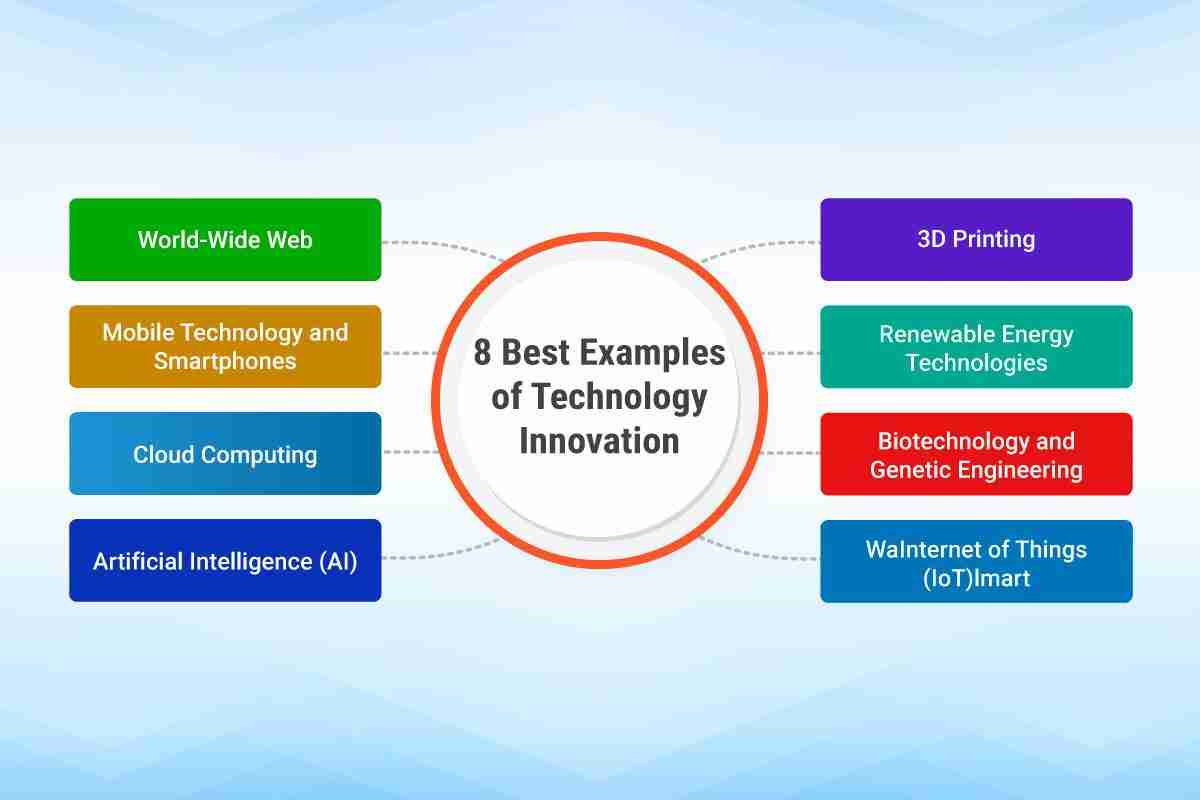
Innovative Technologies Shaping the Future of Rice Milling
The landscape of rice milling is undergoing a radical transformation, driven by cutting-edge technologies that enhance efficiency and sustainability. One of the most promising advancements is the integration of artificial intelligence (AI), which optimizes the entire milling process. Smart sensors analyze each batch of rice, adjusting parameters in real time to minimize waste and maximize quality. Additionally, AI-driven predictive maintenance solutions ensure that equipment operates at peak performance, reducing downtime and maintenance costs. With these innovations, producers can achieve higher yields while maintaining the integrity of the grain.
Another notable trend is the use of renewable energy sources in rice milling operations. Solar panels and bioenergy systems are being adopted to power rice mills, significantly lowering the carbon footprint of the milling process. This shift not only aligns with global sustainability goals but also provides significant cost savings in operations. Furthermore, the incorporation of automation and robotics streamlines labor-intensive tasks, enabling mills to operate 24/7 with minimal human intervention. Such technologies are paving the way for a new era in rice production, characterized by enhanced productivity and sustainability.
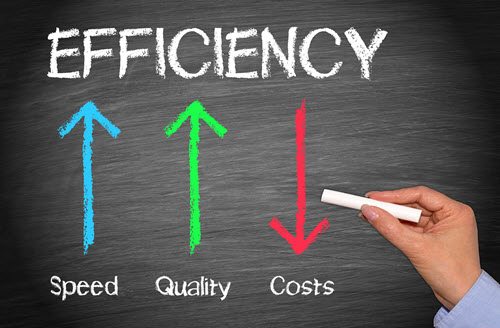
Enhancing Efficiency Through Automation and AI Integration
Automation and AI integration are transforming traditional agricultural processes, with the rice milling sector standing at the forefront of this revolution. By implementing state-of-the-art machinery equipped with smart algorithms, farmers can significantly reduce the time and labor required for rice processing. Investments in fully automated rice milling systems not only streamline operations but also enhance precision in grain sorting, leading to higher quality end products. The benefits of these innovations include:
- Increased Output: Advanced machines can process larger volumes of rice in shorter time periods.
- Reduced Waste: Automated systems enable better handling and minimize spoilage during milling.
- Consistent Quality: AI-driven quality control ensures uniformity in grain size and texture.
Moreover, the integration of AI enables predictive maintenance, where potential machine failures are identified before they disrupt production. This proactive approach not only helps in saving costs on repairs but also minimizes downtime, allowing farmers to maintain continuous operation throughout the milling season. As technology advances, we can envision a future where real-time data analytics further optimize the milling process through:
| Feature | Advantage |
|---|---|
| Real-Time Monitoring | Prompt adjustments to optimize performance. |
| Data-Driven Insights | Inform strategic decisions for improved yield. |
| Automated Record Keeping | Efficient tracking of production metrics. |
Sustainable Practices in Fully Automatic Rice Milling
In the realm of fully automatic rice milling, sustainable practices are paving the way for a greener future. Advanced technology integrates seamlessly with eco-friendly methods, allowing rice producers to maximize efficiency while minimizing their environmental impact. Techniques such as precision milling ensure that rice is processed with minimal waste, and the energy consumption of modern machinery is significantly reduced compared to traditional milling approaches. Additionally, the use of renewable energy sources in milling operations, such as solar and wind power, contributes to a remarkable reduction in carbon footprints.
Moreover, the implementation of zero-waste practices is becoming increasingly common in rice milling facilities. By recycling by-products, such as husks and bran, mills can create value-added products like animal feed and biofuel. This not only promotes a circular economy but also enhances the profitability of rice milling operations.
| Sustainable Practice | Benefits |
|---|---|
| Precision Milling | Minimized waste and improved efficiency |
| Renewable Energy Use | Reduced carbon emissions |
| Zero-Waste Methods | Increased profitability through by-product utilization |
Navigating Challenges and Recommendations for Future Development
The journey towards fully automatic rice milling is paved with both significant challenges and exciting opportunities. One of the primary hurdles lies in the integration of advanced technology with traditional farming practices. Farmers are often hesitant to adopt fully automated systems due to concerns about job displacement, the initial cost of investment, and the learning curve associated with new technologies. To overcome these barriers, stakeholders must focus on comprehensive education and training programs aimed at demonstrating the benefits of automation. Furthermore, it is crucial to ensure that investments are accompanied by financial incentives that support farmers during the transition phase. This approach mitigates risks and eases them into the technological shift.
As we look toward the future, a collaborative effort among various stakeholders is essential for effective development. This includes not only farmers but also technology developers, agricultural scientists, and governmental bodies. Innovative solutions such as the development of modular milling systems can cater to diverse farm sizes and capacities, making automation accessible to all. Demonstrating the economic advantages of fully automatic milling through pilot projects can build trust and encourage widespread adoption. Key recommendations for progressing include:
- Investing in Research and Development to foster innovative solutions tailored to specific farming contexts.
- Establishing Partnerships between tech firms and local farming cooperatives to share resources and knowledge.
- Implementing Feedback Mechanisms to incorporate users’ insights continuously into tech advancements.
- Providing Ongoing Support to farmers post-implementation through maintenance services and tech updates.
| Challenges | Recommendations |
|---|---|
| Resistance to change | Offer training and resources |
| High initial costs | Introduce flexible financing options |
| Technological gaps | Focus on user-friendly designs |
In Conclusion
the dawn of fully automatic rice milling represents a transformative leap in agricultural technology, merging innovation with sustainability. As we stand on the cusp of this new era, the potential for increased efficiency, reduced labor costs, and enhanced quality promises to reshape not only the rice industry but also the livelihoods of millions worldwide. By harnessing the power of automation, we can usher in a future where food security is no longer a distant aspiration but a tangible reality. As we move forward, collaboration between technologists, farmers, and policymakers will be essential in navigating the challenges that lie ahead. Together, we can cultivate a resilient agricultural landscape that meets the demands of a growing population while nurturing the planet we call home. The future of rice milling is here—let us embrace it with foresight and responsibility.




