Rice Mill Plant
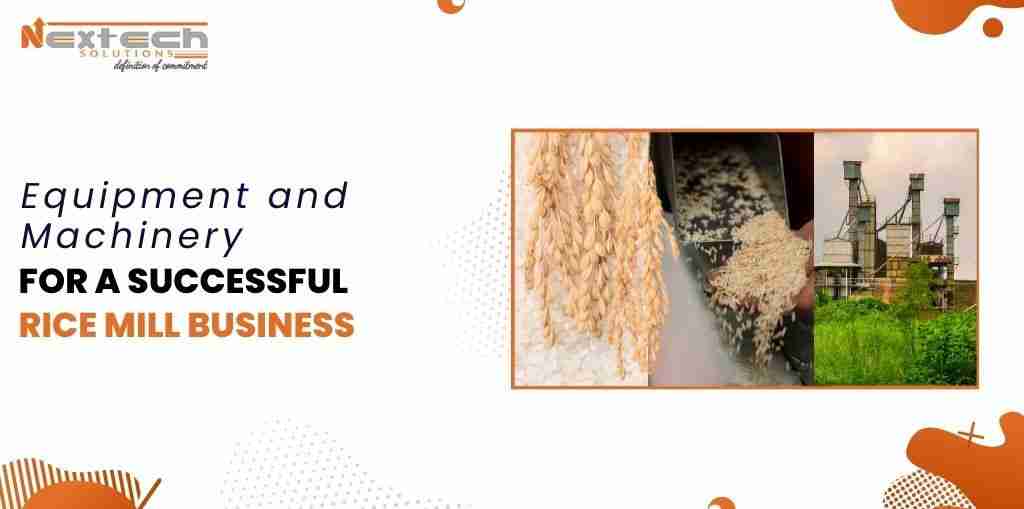
A modern rice mill plant is a marvel of industrial engineering designed to streamline the production of rice. It integrates advanced technologies to process paddy into high-quality rice efficiently. The plant begins with pre-cleaning to eliminate impurities and debris, ensuring only clean grains proceed. Dehusking or husking removes the outer shell, and the whitening process carefully strips away the bran layer without damaging the grains. Sophisticated grading and sorting systems then classify the rice by size and color, enhancing uniformity and appeal. Finally, polishing adds a lustrous sheen, making the rice visually attractive. These plants are equipped with automated systems for handling, reducing labor costs and increasing throughput, ensuring that they meet global standards for food safety and quality.
Unlocking Efficiency: The Essential Role of Rice Milling Units
In the heart of agriculture lies the rice milling unit, a vital cog that transforms paddy into polished grains. By optimizing processing methods, these units not only enhance rice quality but also empower farmers, ensuring sustainability and efficiency in food production.
Exploring Efficiency: The 4 Ton Rice Mill Plant Advantage
Unlocking the potential of rice production, the 4 ton rice mill plant stands out for its efficiency and compact design. With streamlined processes and advanced technology, it maximizes output while minimizing waste, making it an ideal choice for modern agricultural enterprises.

Unlocking Potential: A Deep Dive into Rice Mill Plants
Unlocking Potential: A Deep Dive into Rice Mill Plants explores the intricate processes that transform raw grain into vital sustenance. Discover the technology, efficiency, and environmental considerations that shape this essential industry.
Unlocking Potential: A Comprehensive Guide to Rice Milling Units
Unlocking the potential of rice milling units is essential for maximizing grain quality and efficiency. This comprehensive guide explores crucial processes, technology advancements, and best practices that transform raw rice into premium products, fueling economies.
Unlocking Potential: The Essential Role of Rice Mill Plants
Rice mill plants serve as the backbone of agricultural economies, transforming raw grains into polished products that nourish millions. By unlocking the potential of this staple food, they not only enhance food security but also empower local communities through job creation and innovation.

Maximizing Efficiency: The 4 Ton Rice Mill Plant Journey
In the quest for efficiency, the 4 Ton Rice Mill Plant stands as a testament to innovation. Its carefully designed processes streamline production, reduce waste, and enhance output, showcasing how technology transforms agricultural endeavors into thriving enterprises.

Optimizing Efficiency: The 4 Ton Rice Mill Plant Advantage
Discover the transformative power of a 4 ton rice mill plant, where efficiency meets innovation. Streamlining operations, reducing waste, and maximizing yield, this compact yet robust solution redefines productivity in rice processing. Embrace the future!
Unlocking Potential: The 2 Ton Rice Mill Plant Project Journey
The 2 Ton Rice Mill Plant Project journey unfolds a tale of ambition and innovation, where dreams meet practicality. From inception to realization, this venture not only enhances agricultural efficiency but also elevates local livelihoods, showcasing the power of potential.

Transforming Grain to Perfection: The Automatic Rice Mill Plant
In the heart of modern agriculture, the automatic rice mill plant emerges as a beacon of innovation. This technological marvel transforms harvested grains into polished perfection, seamlessly blending efficiency with quality, ensuring every kernel meets the highest standards.

Unlocking Potential: The Role of Rice Milling Units
Unlocking Potential: The Role of Rice Milling Units reveals their transformative power in agriculture. These facilities not only enhance grain quality but also boost local economies, empowering farmers and communities to thrive sustainably.