
Step into the fascinating world of rice mill plants, where grains of success are carefully cultivated and harnessed to feed millions around the globe. Join us as we explore the intricate processes, innovative technologies, and ancient traditions that converge to bring this essential staple to our tables. From the lush rice paddies to the sleek machinery of modern mills, come along on a journey through the heart of the rice industry and discover the secrets behind the grains that sustain us all.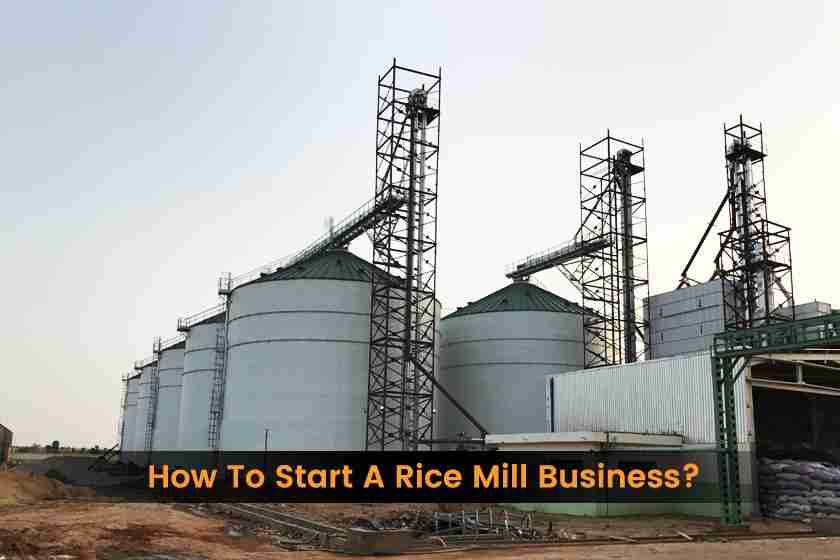
Choosing the Right Type of Rice Mill Plant for Your Business
When it comes to , there are several factors to consider. First and foremost, you’ll need to assess the scale of your operation and the amount of rice you plan to process. If you have a small-scale business, a compact rice mill plant may be more suitable, whereas larger operations may require a commercial rice mill plant with higher capacity.
Additionally, it’s important to think about the level of automation you want in your rice mill plant. Some plants come equipped with advanced technology for increased efficiency and productivity, while others may require more manual labor. Consider your budget, as well as the specific needs of your business, when making this decision. Remember, the right rice mill plant can make all the difference in the success of your business.
Increasing Efficiency and Productivity in Rice Milling Operations
Rice milling operations play a crucial role in ensuring a steady supply of rice to meet the demands of a growing population. By increasing efficiency and productivity in these operations, rice mill plants can significantly enhance their output and profitability. One way to achieve this is by investing in modern technology and equipment that streamline the milling process.
Utilizing state-of-the-art machinery such as rice hullers, rice polishers, and grain separators can help improve the quality of the final product while reducing processing time. Implementing automation in key areas of the milling process can also lead to higher efficiency and productivity. By optimizing workflow and minimizing downtime, rice mill plants can achieve higher throughput and lower operating costs, ultimately paving the way for success in the competitive rice market.

Implementing Sustainable Practices in Rice Mill Plants
Rice mill plants play a crucial role in the production of one of the world’s most consumed grains. Implementing sustainable practices in these facilities is paramount to ensure the long-term success of the industry and minimize its environmental impact. By adopting eco-friendly solutions, rice mill plants can significantly reduce their carbon footprint and contribute to a healthier planet.
One way to promote sustainability in rice mill plants is by investing in energy-efficient equipment and technologies. By upgrading to modern machinery that consumes less power, plants can lower their energy consumption and operating costs. Additionally, implementing proper waste management practices, such as recycling and composting, can help reduce the amount of waste generated by the plant. By taking these steps, rice mill plants can not only improve their bottom line but also make a positive impact on the environment for future generations.
Exploring Innovation and Technology in the Rice Milling Industry
Rice milling industry has seen a surge in innovation and technology, revolutionizing the way rice is processed and produced. With cutting-edge advancements in machinery and automation, rice mill plants are paving the way for a more efficient and sustainable industry. These technological advancements have not only increased productivity but have also improved the quality of rice produced.
One of the key innovations in the rice milling industry is the use of state-of-the-art sorting machines that utilize advanced sensors to remove impurities and defective grains. Additionally, the integration of data analytics and machine learning algorithms has enabled rice mill plants to optimize their operations and reduce wastage. With these advancements, the rice milling industry is poised for a future filled with endless possibilities and grains of success.
Insights and Conclusions
As we conclude our journey through the world of rice mill plants, it is evident that the cultivation and processing of this humble grain play a crucial role in feeding the world’s growing population. From traditional hand-pounding techniques to modern, automated plants, the evolution of rice milling has been nothing short of extraordinary. As we continue to strive for sustainable agriculture practices, one thing remains clear – the grains of success in the rice industry are here to stay. Join us as we continue to explore the diverse and fascinating world of grains, one kernel at a time.




