
In a world where food security and sustainable agriculture are increasingly pressing concerns, the unveiling of the 2 Ton rice mill plant Project marks a significant step toward a more resilient future. This ambitious initiative not only aims to enhance local rice production but also seeks to empower communities through innovative technology and efficient processing methods. As the project rolls out, agricultural stakeholders, entrepreneurs, and environmental advocates alike will find themselves at a pivotal moment where tradition meets advancement. Join us as we delve into the intricacies of this groundbreaking endeavor, exploring its potential to transform local economies, expand access to quality grains, and inspire a new generation of agricultural practices that honor both heritage and progress.
Innovative Design and Technology in Modern Rice Milling
The landscape of rice milling is undergoing a remarkable transformation, driven by groundbreaking design and technology. The latest developments have introduced automation and sustainability into the heart of milling operations, ensuring efficiency and reducing reliance on manual processes. With the integration of smart sensors and IoT devices, mill operators are now able to monitor performance in real-time, making informed decisions that enhance productivity. Key innovations include:
- Automated Sorting Systems: These systems leverage advanced imaging and machine learning algorithms to ensure high-quality grain selection.
- Energy-Efficient Machines: New milling equipment is designed to consume less power, significantly lowering operational costs.
- Environmentally-Friendly Practices: Technological advancements are paving the way for cleaner production methods that minimize waste.
Moreover, the design considerations in modern milling plants reflect a shift toward ergonomic and user-friendly layouts. These facilities are crafted to optimize workflow and reduce the risk of accidents, ensuring a safer working environment for the staff. The following table highlights the core features of the new 2-ton rice mill project:
| Feature | Details |
|---|---|
| Production Capacity | Up to 2 tons per hour |
| Technology Used | AI-driven automation |
| Energy Source | Renewable energy integration |
| Sustainability Features | Water recycling and waste minimization |
Collectively, these features not only advance the efficiency of rice milling operations but also align them with the global push for sustainability, making this project a noteworthy benchmark in agricultural technology.
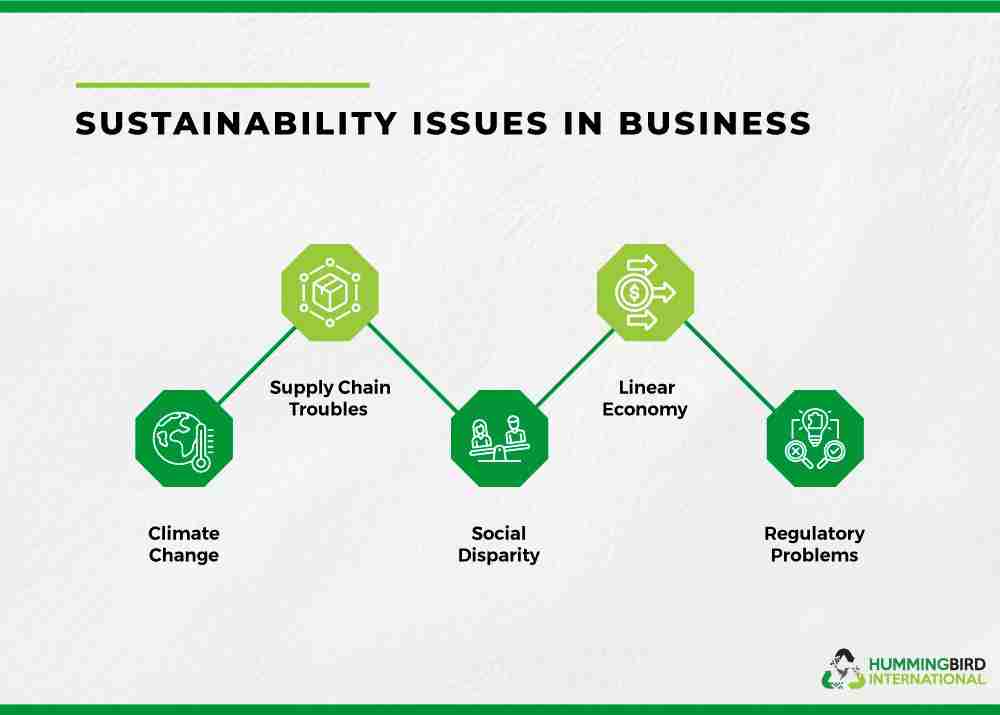
Sustainability Practices: Environmental Impact and Economic Benefits
The implementation of eco-friendly practices in the 2 Ton rice mill plant Project not only underscores a commitment to sustainability but also fosters a positive environmental impact. The design of the mill incorporates state-of-the-art technologies intended to minimize waste and energy consumption. This approach leads to significant reductions in carbon emissions, contributing to a healthier ecosystem. The notable practices include:
- Water Conservation: Innovative systems have been integrated to recycle and reduce water use in the milling process.
- Renewable Energy Utilization: The project plans to harness solar energy, minimizing reliance on fossil fuels.
- Efficient Waste Management: By-products from the milling process will be repurposed, reducing landfill contributions.
In parallel with these environmental initiatives, the economic advantages of this project are equally compelling. By investing in sustainable practices, the rice mill enhances operational efficiency and minimizes costs. Over time, these practices translate into increased profitability and job creation within the local community. The financial benefits can be outlined as follows:
| Benefit | Details |
|---|---|
| Cost Savings | Reduced energy and operational costs through efficient technologies. |
| Job Creation | New roles in sustainable practices and maintenance of innovative systems. |
| Market Expansion | Attracting eco-conscious consumers and potential global partnerships. |
Community Engagement and Job Creation Opportunities
The launch of the 2 Ton rice mill plant Project heralds a new era of job creation and community involvement. By establishing a local infrastructure for rice processing, we are paving the way for numerous employment opportunities that will benefit both individuals and families within our community. Local farmers will not only find a reliable market for their crops, but they will also gain access to better resources and technologies that can enhance their productivity. The project aims to foster a sense of ownership and collective progress, enabling community members to actively participate in its growth and success.
Moreover, the ripple effects of this initiative extend far beyond the mill itself. As the demand for rice increases, several ancillary roles will emerge, such as transportation, packaging, and distribution. With a commitment to local hiring practices, we anticipate a diverse range of jobs will open, including:
- Mill operators
- Quality control specialists
- Logistics coordinators
- Maintenance crew
- Administrative staff
To illustrate the socio-economic impact, consider the potential job growth projected over the next few years:
| Year | Jobs Created |
|---|---|
| Year 1 | 50 |
| Year 2 | 100 |
| Year 3 | 150 |
This comprehensive plan aims to bolster not just individual livelihoods but also the broader economy, reinforcing the importance of community engagement in driving sustainable development. Together, we can build a future where everyone thrives and contributes to a robust and resilient local economy.
Future Expansion and Technological Advancements in the Rice Industry
As we look towards the horizon of innovation in the rice milling industry, the integration of advanced technology promises to transform traditional practices. Automation and artificial intelligence are set to play pivotal roles, enhancing efficiency and reducing labor costs. The future may witness:
- Smart Milling Systems: Utilizing IoT for real-time monitoring and management.
- Data Analytics: Leveraging big data to optimize yield and quality.
- Sustainable Practices: Adopting eco-friendly technologies to minimize waste and energy consumption.
Furthermore, collaborative efforts with agricultural research institutions are likely to yield improved seed varieties and cultivation techniques tailored for enhanced climate resilience. Striking partnerships across regions can further diversify supply chains, ensuring consistent access to quality rice. A snapshot of potential advancements might include:
| Technology | Benefit | Implementation Timeline |
|---|---|---|
| Precision Agriculture | Optimizes resource use | 1-3 years |
| Automated Packaging | Increases throughput | 3-5 years |
| Blockchain for Transparency | Enhances traceability | 1-2 years |
In Summary
As we draw the curtain on our exploration of the 2 Ton rice mill plant Project, it becomes clear that this initiative is more than just a stepping stone towards agricultural advancement; it symbolizes a commitment to sustainable development and economic empowerment. With the promise of increased efficiency, enhanced productivity, and a ripple effect of benefits for local farmers, this project encapsulates a vision that reaches far beyond its mechanical components.
As communities embrace this innovative technology, the dream of a robust agricultural sector begins to take shape—one that nourishes not only bodies but also spirits and livelihoods. The unveiling of this rice mill plant is not just an end; it is a beginning: a shared journey towards self-sufficiency and prosperity.
In an ever-evolving landscape, let us remain steadfast in our dedication to fostering projects that uplift and transform. As we move forward, may the seeds planted today flourish into a harvest of hope for generations to come. Together, we can build a future where progress and tradition coexist, creating a tapestry rich in possibilities.




