
Unveiling the Secrets of the Modern Rice Polisher
In the quiet corners of bustling kitchens and the heart of food production facilities, an unsung hero diligently performs its task: the modern rice polisher. This sophisticated machine, often overlooked in its simplicity, holds the key to transforming humble grains into culinary delights. For centuries, rice has sustained civilizations, serving as a staple food and a symbol of prosperity. Yet, it is the subtle art of polishing that elevates rice from mere sustenance to a canvas for flavors and textures. In this exploration, we delve into the intricate workings of the modern rice polisher, unveiling the technology and techniques that ensure every grain shines with perfection, ready to take center stage on dining tables around the world. Join us on this journey to discover how innovation has reinvented an age-old process, marrying tradition with cutting-edge technology to enhance one of the world’s most cherished foods.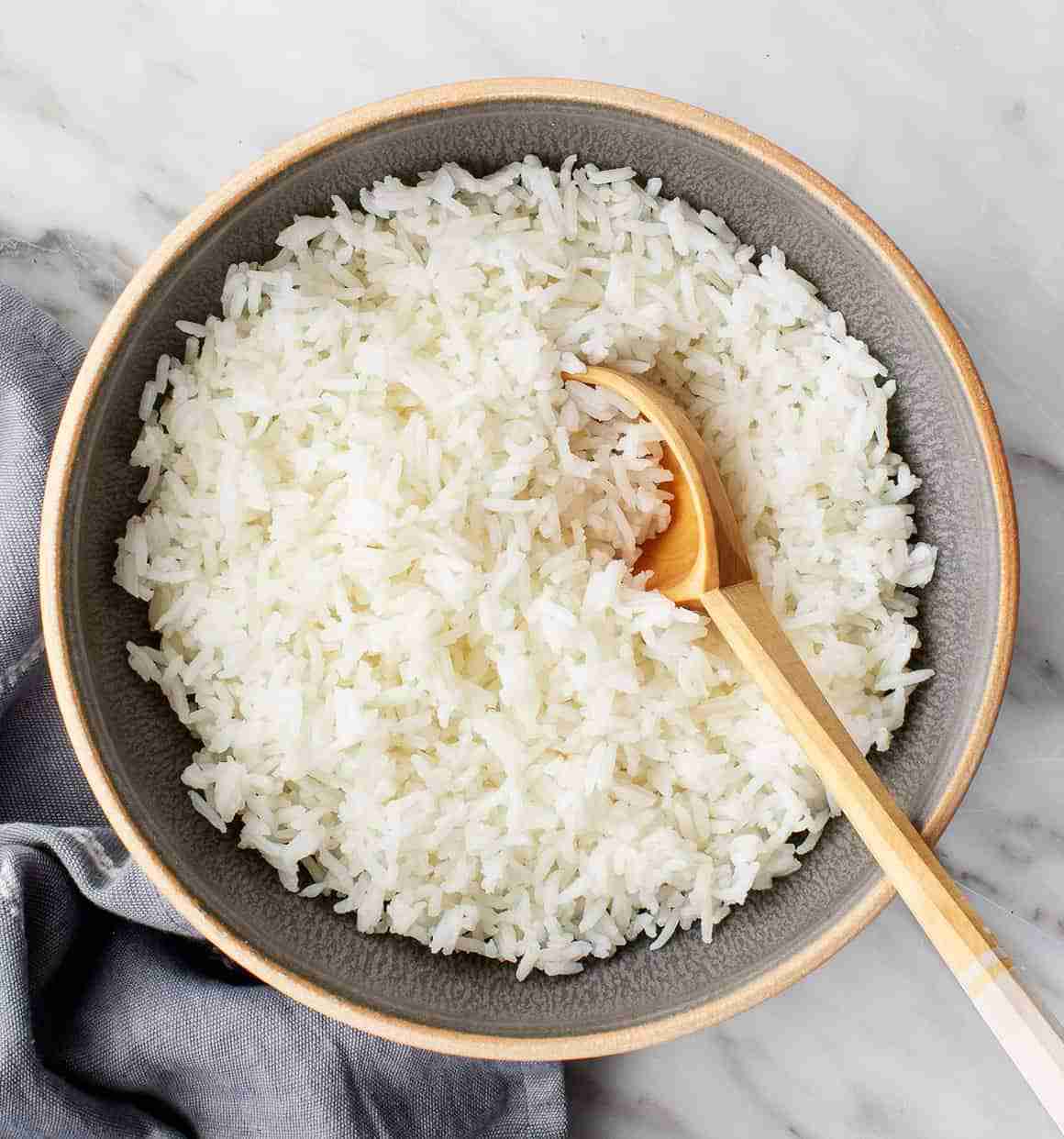
Understanding the Evolution of Rice Polishing Technology
The journey of rice polishing technology showcases a fascinating blend of tradition and innovation. Originally, rice was polished using simple wooden mortars, an arduous process that relied on manual labor and natural abrasives. Over centuries, as demand for polished rice surged, craftsmen experimented with various materials and methods. The development of hand-operated tools, which used less muscle and more mechanics, marked a pivotal shift. This era introduced triangular emery stones and tweaking of pressures, significantly enhancing the quality of polished grains while reducing breakage.
As industrialization took hold, the rise of electrical rice polishers revolutionized the industry. Modern machines incorporate advanced technologies, embracing the principles of precision engineering and computerization. Contemporary rice polishing devices feature adjustable polishing times and multiple stages, allowing for more control over the final product. These innovations ensure that rice is not only polished for aesthetic appeal but also retains its nutritional value. The following table highlights key advancements in this technology over the decades:
| Decade | Main Advancement | Impact |
|---|---|---|
| 1800s | Hand-cranked Polishers | Improved grain appearance |
| 1900s | Electric Polishers | Increased efficiency |
| 2000s | Computerized Systems | Precision and control |

Key Features That Enhance Efficiency and Quality
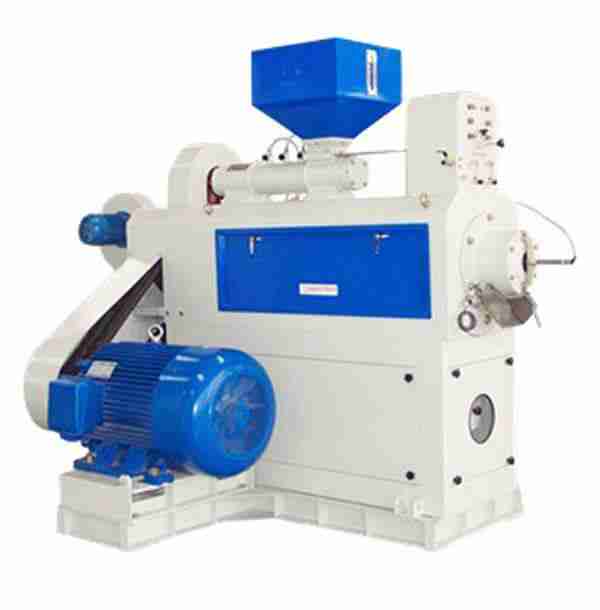
Modern rice polishers come equipped with a variety of advanced features designed to maximize both efficiency and quality. One of the standout features is the precision milling technology, which ensures that the rice is polished uniformly, reducing the risk of damage to the grains. This technology not only enhances the aesthetic appeal of the rice but also improves its cooking quality. Additionally, many models incorporate intelligent monitoring systems that track the rice’s moisture levels and adjust the polishing parameters in real-time, ensuring optimal results every time.
Furthermore, the integration of energy-efficient motors contributes significantly to operational efficiency. These motors require less power, translating to lower energy costs for producers. The devices also often feature automated cleaning systems, minimizing downtime and maintaining high hygienic standards during the polishing process. Below is a summary of these key capabilities:
| Feature | Description |
|---|---|
| Precision Milling Technology | Ensures uniform polishing for better quality rice. |
| Intelligent Monitoring Systems | Real-time adjustments based on moisture levels for optimal results. |
| Energy-Efficient Motors | Reduces power consumption, cutting operational costs. |
| Automated Cleaning Systems | Maintains hygiene and minimizes machine downtime. |
Choosing the Right Rice Polisher for Your Needs
When selecting a rice polisher, it is crucial to consider several important factors that can elevate your rice processing experience. First, evaluate the capacity of the machine. Batch size is an essential aspect—if you’re aiming to polish small batches for a family or a larger volume for a commercial purpose, make sure the polisher aligns with your needs. Additionally, consider the polishing method employed by the machine. Some polishers use traditional grinding methods while others employ modern technology with varying impacts on the final product’s texture and nutritional value.
Another key aspect is the durability and maintenance requirements of the rice polisher. A robust design can withstand frequent use and reduce the need for repairs, ultimately saving you time and resources. Look for features that simplify maintenance, such as easy-to-clean components. Furthermore, the energy efficiency of the machine can significantly affect operating costs over time. As energy prices fluctuate, having a polisher that uses less power without compromising on performance can be a wise investment. Take a moment to weigh these considerations to ensure you choose the best rice polisher for your unique requirements.
| Feature | Importance |
|---|---|
| Capacity | Matches your batch size needs |
| Polishing Method | Affects texture and nutrition |
| Durability | Ensures longevity of the machine |
| Energy Efficiency | Reduces operating costs |
Maintenance Tips for Optimal Performance and Longevity
To ensure your modern rice polisher operates at peak performance and enjoys a long lifespan, regular maintenance is essential. Start by conducting a thorough cleaning after each use. Empty the rice compartment and residue tray promptly to prevent buildup that could affect performance. Use a soft cloth to wipe down the exterior and interior surfaces of the polisher, being cautious around the electrical components to avoid water damage. Furthermore, examine the polishing cylinder regularly for any signs of wear and tear; if you notice any irregularities, consider replacing it as soon as possible.
Another crucial aspect of maintenance involves periodic checks on the motor and electrical connections. Dust and dirt can significantly hinder performance; thus, ensure your machine is free from debris. Keep an eye on the cables for any fraying or abrasions, and replace them immediately if damaged. You can also refer to the following table for a clear maintenance schedule:
| Maintenance Task | Frequency |
|---|---|
| Clean the rice compartment | After each use |
| Inspect polishing cylinder | Monthly |
| Check electrical connections | Quarterly |
| Replace worn parts | As needed |
Key Takeaways
As we conclude our exploration of the modern rice polisher, it becomes clear that this unassuming kitchen appliance is much more than a mere tool for attaining culinary perfection. It embodies a fusion of tradition and innovation, honoring centuries of agricultural practice while embodying the technological evolution of food preparation. The precision and efficiency that contemporary rice polishers bring to the table redefine our relationship with one of the world’s staple foods, reshaping not only how we cook but also how we appreciate rice in its various forms.
As you embark on your journey to uncovering the ideal grain for your dishes, consider the profound impact that these machines have on flavor, texture, and nutrition. By appreciating the intricate processes behind rice polishing, you are not just enhancing your cooking skills; you are also celebrating a tradition that nourishes millions around the globe. Whether you are a home chef or a culinary enthusiast, may your newfound understanding inspire you to experiment, innovate, and, ultimately, savor every bowlful of rice— polished to perfection.




