
In the heart of bustling kitchens around the world, one humble grain reigns supreme: rice. A staple in countless diets, rice is celebrated not only for its versatility but also for its ability to absorb flavors and complement a myriad of dishes. Yet, the journey from paddy to plate is a meticulous one, marked by age-old traditions and innovative techniques. Among these, the rice polisher stands out as a critical instrument, transforming the grains we know into culinary champions. This article delves into the fascinating world of the rice polisher, exploring its role in enhancing both the aesthetic appeal and nutritional quality of rice. Join us as we unveil the secrets behind this unassuming machine and discover how it contributes to the quest for perfect grains.
Understanding the Science Behind Rice Polishing Techniques
Rice polishing is a careful art that involves the precision of both technique and technology. At its core, this process seeks to gently remove the outer layers of rice grains, unveiling the pure, white kernel that is coveted for its texture and flavor. Several scientific principles play a pivotal role in achieving the perfect balance between removing undesirable hulls and preserving the nutritional quality of the rice. When polished correctly, not only does the rice become visually appealing, but it also enhances its cooking properties, leading to a more cohesive and fluffy final dish. The choice of polishing method influences the end result and can vary widely depending on the variety of rice and the intended culinary application.
There are various techniques employed in rice polishing, each with distinct advantages:
- Traditional stone grinding: Utilizes abrasives yet maintains the grain’s structural integrity.
- Modern mechanical polishers: Offer efficiency and consistency, using controlled pressure and speed.
- Water polishing: A gentler method that dilutes the abrasive forces, often resulting in a more nutritious product.
| Polishing Technique | Advantages | Impact on Nutritional Value |
|---|---|---|
| Traditional Stone Grinding | Maintains flavor and texture | Moderately preserved |
| Modern Mechanical Polishers | Highly efficient and consistent | Often reduces some nutrients |
| Water Polishing | Minimally abrasive, preserves nutrients | High nutrient retention |
The Impact of Rice Polishers on Grain Quality and Flavor
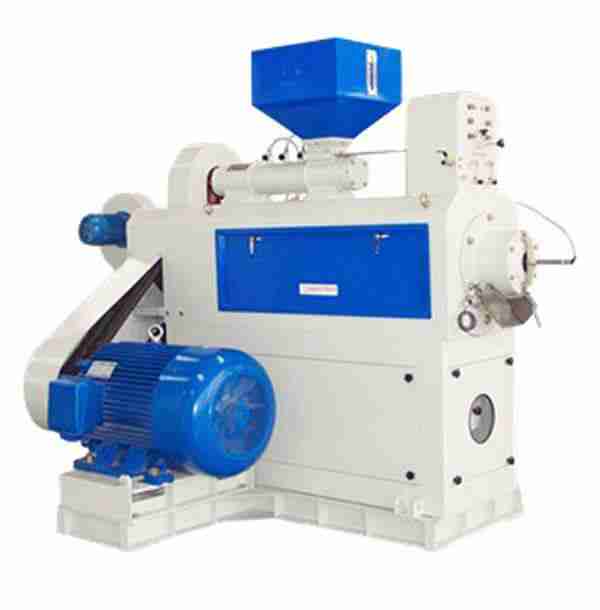
Rice polishers play a crucial role in elevating the quality and flavor profile of grains, transforming the unassuming rice kernel into a culinary delight. Through a gentle yet effective polishing process, these machines remove the outer bran layer, which often harbors impurities and undesirable flavors. This meticulous procedure does more than just enhance aesthetics; it significantly improves the overall taste and texture of the rice. When grains undergo polishing, they are not only stripped of their bitterness but also become more uniform in size and appearance, making for a more visually appealing presentation on the plate.
The polishing process also influences the nutritional value of rice, often a topic of debate among health-conscious consumers. While the removal of bran may reduce fiber content, modern rice polishers are designed to maintain a careful balance, ensuring that the grains retain some of their essential nutrients. Moreover, these machines use advanced technology to minimize the damage to the grain during polishing, which furthers enhances the quality of the final product. The benefits of rice polishing extend beyond taste; they include:
- Enhanced shelf life: Polished grains have a lower moisture content, reducing the risk of spoilage.
- Improved cooking properties: Polished rice cooks more evenly and absorbs flavors better.
- Consistent quality: Modern polishers ensure uniformity, providing consumers with a reliable product every time.
Choosing the Right Rice Polisher for Your Kitchen Needs
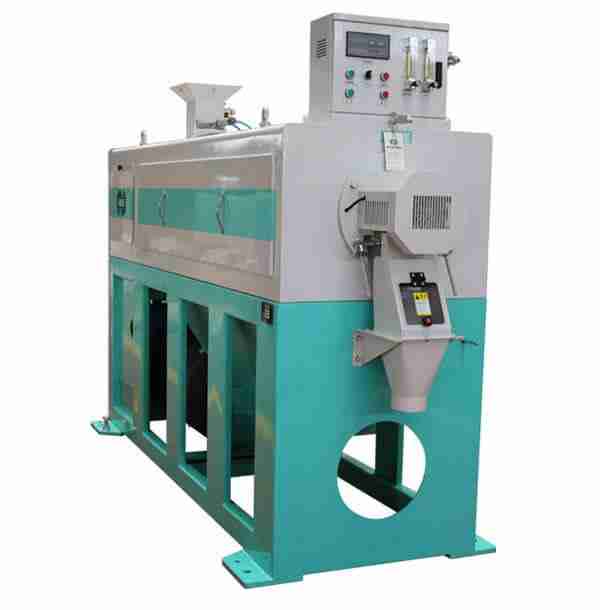
When selecting a rice polisher, consider your typical cooking habits and the specific features that will complement your kitchen. Different models cater to various preferences, making it essential to weigh your options carefully. Below are key aspects to keep in mind:
- Capacity: Determine how much rice you typically cook at once. A larger paddy holder is ideal for families, while a smaller model may suffice for individuals or couples.
- Polishing Method: Some polishers utilize advanced techniques like water polishing, which retains nutrients, while others focus strictly on aesthetics.
- Durability: Look for materials that resist wear and tear, ensuring longevity amidst frequent use.
- Ease of Cleaning: Choose a design that is easy to dismantle and clean to maintain hygiene in your kitchen.
- Noise Level: If your kitchen is integrated into a living space, a quieter model will enhance your cooking experience.
Another important factor is the essential features that can elevate your rice cooking experience. Consider the following:
- Adjustable Polishing Settings: This allows you to customize the polishing degree, catering to varying types of rice.
- Automatic Shut-off: An excellent safety feature that prevents overheating and conserves energy.
- Bowl Design: A non-stick inner bowl can facilitate easier cleaning and prevent rice from sticking.
Tips for Maintaining Your Rice Polisher for Longevity and Performance
To ensure that your rice polisher consistently delivers optimal results, regular maintenance is essential. Start by cleaning the polishing chamber after each use to remove any residual rice dust and grains. Accumulated debris can hinder performance and lead to uneven polishing. Additionally, ensure that you inspect and clean the polishing stones or pads according to the manufacturer’s guidelines. This will help maintain the smooth operation and effectiveness of the machine. Establish a routine schedule for deep cleaning, which includes disassembling some parts for a thorough wash and re-oiling any necessary components.
Another critical aspect of upkeep involves monitoring the motor and electrical components. Keep an eye on the power cord for any signs of wear or fraying, as safety should always come first. If issues arise, consult your user manual or a professional technician. Also, consider maintaining a dedicated area for the rice polisher that is dry and free from vibrations. This will help protect it from environmental factors that can affect its longevity. Lastly, track your usage and performance, and adjust polishing times based on your specific grain types to optimize both the machine’s efficiency and the quality of the polished rice.
Final Thoughts
As we turn the final page on our exploration of the rice polisher, it becomes clear that this often-overlooked appliance is much more than a mere kitchen tool. It embodies the intersection of tradition and technology, preserving the age-old practice of rice preparation while enhancing it with modern innovation. The rice polisher’s ability to unveil the full potential of every grain is a testament to the artistry and science behind cooking—allowing chefs and home cooks alike to achieve the perfect balance of flavor, texture, and nutrition.
Whether you’re a culinary novice or a seasoned gourmet, investing in a rice polisher can elevate your cooking game and bring new life to your meals. As you embark on your next culinary adventure, remember that the journey begins with a single grain. With the right tools and techniques, every bowl of rice can tell a story of quality, care, and creativity. Here’s to the grains that nourish us, and the tools that help us perfect them. Happy cooking!




