
Unveiling the Magic of the Rice Polisher: A Culinary Essential
In the heart of kitchens around the world, where culinary traditions are born and flavors are perfected, there lies an unsung hero that often goes unnoticed—the rice polisher. This instrument, steeped in history yet often overlooked, transforms humble grains into the centerpiece of countless dishes. With origins tracing back centuries, the rice polisher is not merely a tool for achieving a polished, lustrous finish; it embodies the intricate dance between technology and tradition, enhancing the authenticity of culinary experiences. As we delve into the magic of this remarkable device, we’ll explore its cultural significance, mechanical prowess, and the vital role it plays in the art of rice preparation. Join us on this journey, where the simple act of polishing rice transforms into an essential chapter in the story of global cuisine.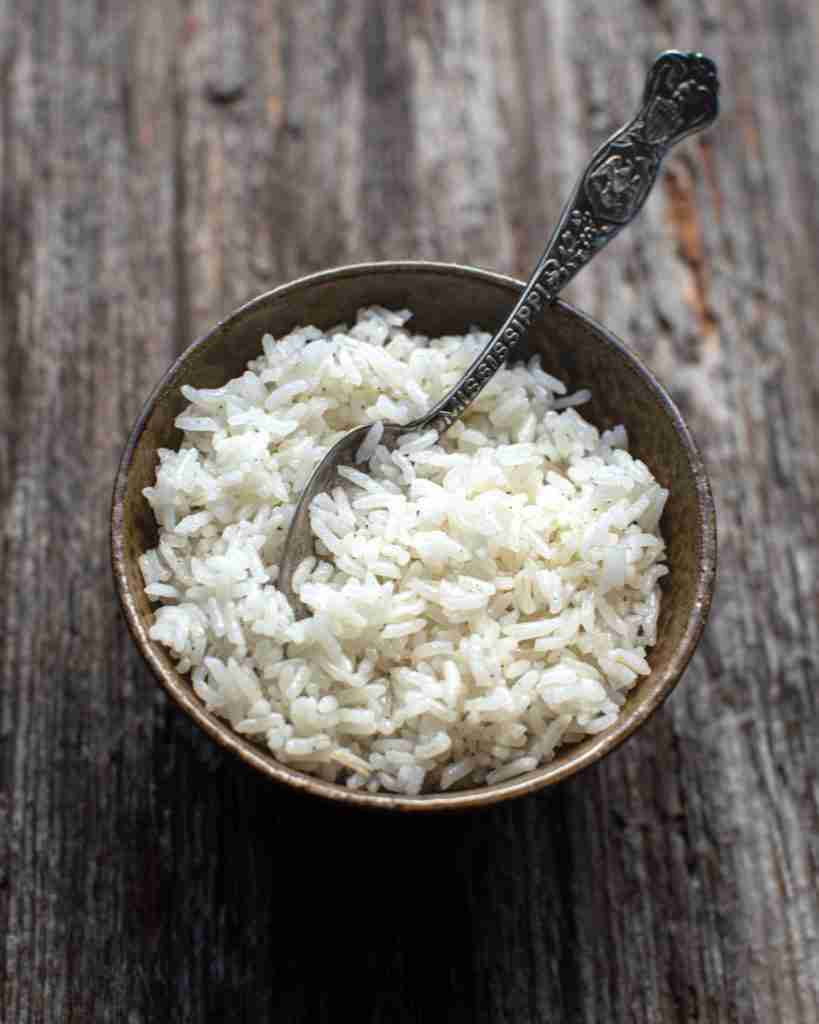
Exploring the Art and Science of Rice Polishing
The transformation of rice from its coarse, rough state to a glossy, polished grain is a fascinating journey that blends both art and science. Rice polishing, a common step in the preparation of this staple food, not only enhances its visual appeal but also affects flavor and texture. This process entails removing the outer layers of the rice grain, particularly the bran and husk, which can be achieved through traditional methods or high-tech machinery. The challenges of rice polishing reside in carefully balancing the removal of these layers while preserving the essential nutrients housed within the grain. Trained craftsmen and modern technology alike strive to achieve the perfect polish, encouraging a meticulous approach that is as much about precision as it is about tradition.
Understanding the nuances of rice polishing offers insights into its broader culinary implications. Polished rice, such as the beloved Japanese ‘shari’ or sushi rice, provides a distinct taste and mouthfeel that is essential to the final dish. Key considerations in the process include the grain type, polishing time, and water temperature. Each aspect can significantly influence the overall quality of the rice, thus impacting the final culinary creation. For instance, the ideal polishing method may vary based on the intended use—whether for sushi, risotto, or simple side dishes. Below is a simple table elucidating various rice types and their respective polishing impacts:
| Rice Type | Polishing Level | Culinary Use |
|---|---|---|
| Jasmine Rice | Medium Polish | Thai Dishes |
| Basmati Rice | Light Polish | Indian Cuisine |
| Sushi Rice | High Polish | Sushi & Sashimi |
| Brown Rice | Unpolished | Health-focused Recipes |
With advancements in technology, modern rice polishers have taken this intricate art to new heights, utilizing sensors and automation for greater efficiency and accuracy. Such innovations allow culinary enthusiasts and professionals alike to create perfectly polished grains that delight the senses. While lofty goals of perfection reign, the heart of rice polishing remains deeply rooted in tradition, preserving the flavors and memories tied to this humble yet vital ingredient. The intersection of tradition and technology not only enhances the quality of the rice but also celebrates its enduring legacy as a culinary cornerstone across cultures.

Enhancing Flavor and Texture: The Benefits of a Polished Grain
When it comes to culinary delights, the subtleties of flavor and texture can transform an ordinary meal into an extraordinary experience. A polished grain achieves this by removing the outer husk and bran layers, revealing a more tender and lustrous core. This process not only enhances the visual appeal of the grains but also promotes a smoother mouthfeel that complements a variety of dishes. The even texture of polished grains allows for consistent cooking and an optimal absorption of flavors, ensuring that every bite is a delightful harmony of taste.
Moreover, the culinary versatility of polished grains can be attributed to their ability to absorb sauces and seasonings more effectively. Whether you’re preparing a creamy risotto or a fragrant pilaf, the polished grains serve as perfect canvases for vibrant spices and rich ingredients. Consider the following benefits of incorporating polished grains into your meals:
- Enhanced Flavor Absorption: Polished grains bind well with sauces, allowing dishes to be infused with rich flavors.
- Improved Texture: The smoothness of polished grains creates a pleasing mouthfeel.
- Aesthetic Appeal: The glossy finish makes for a visually stunning presentation.
- Versatile Pairings: They can seamlessly accompany a wide range of ingredients, from vegetables to proteins.
Choosing the Right Rice Polisher for Your Kitchen Needs
When selecting a rice polisher, it’s essential to consider your specific culinary needs and preferences. First, think about the volume of rice you typically prepare. For small families or individuals, a compact model with a capacity of 1–2 cups may suffice, while larger households may benefit from a commercial-sized polisher that can handle 5 cups or more in a single batch. Additionally, check if the machine has adjustable polishing settings, allowing you to control the level of polishing based on the type of rice or the texture you desire. Other features might include a built-in timer, automatic shut-off, and easy-to-clean components, which can greatly enhance your cooking experience.
Moreover, the materials and design of the rice polisher play a significant role in its effectiveness and longevity. Look for machines made with durable, food-safe materials that can withstand regular use. Consider models with a stainless steel construction for better heat distribution and fewer maintenance hassles. To assist you in making an informed choice, here’s a quick comparison table of popular rice polishers on the market:
| Model | Capacity | Features | Price |
|---|---|---|---|
| Model A | 2 cups | Compact, Adjustable Settings | $50 |
| Model B | 5 cups | Stainless Steel, Timer | $100 |
| Model C | 10 cups | High Capacity, Multi-Function | $150 |
In addition to capacity and features, consider the brand reputation and customer reviews. Well-reviewed options tend to promise reliability and performance, ensuring you invest in a polisher that stands the test of time. By weighing your options carefully and aligning them with your cooking habits, you can find the perfect rice polisher that adds a touch of magic to your culinary creations.
Mastering Techniques for Optimal Rice Preparation and Use
When it comes to achieving the perfect grain of rice, mastering the art of polishing is where culinary magic begins. The rice polisher not only enhances the aesthetic appeal but also impacts the texture and flavor of the final dish. By removing the outer bran layer of the rice, this tool opens up a world of possibilities in taste and presentation. Here are some critical points to remember:
- Grain Selection: Always choose high-quality rice varieties like jasmine or basmati for the best results.
- Polishing Time: A gentle, short polishing duration is recommended to maintain essential nutrients while ensuring a silky finish.
- Water Ratio: A correct water-to-rice ratio post-polishing is vital for optimal cooking. Typically, 1 cup of polished rice requires about 1.5 cups of water.
- Resting Period: Allow the rice to rest after polishing for 15-30 minutes, enabling the grains to absorb moisture evenly.
Incorporating polished rice into your meals can elevate everyday dishes into culinary masterpieces. With its delicate flavor and smooth texture, polished rice serves as an excellent base for a variety of cuisines. Not only does it pair well with proteins and vegetables, but it also shines in soups and salads. To illustrate its versatility, consider the following table showcasing popular dishes that utilize polished rice:
| Dishes | Rice Pairing |
|---|---|
| Thai Coconut Rice | Jasmine |
| Biryani | Basmati |
| Sushi Rolls | Sushi Rice |
| Fried Rice | Long Grain |
Closing Remarks
As we conclude our exploration of the rice polisher, we hope you’re inspired to recognize the artistry behind this culinary essential. More than just a tool, it represents a harmonious blend of tradition and innovation that transforms simple grains into culinary masterpieces. Whether you’re a home cook seeking to elevate your dishes or a professional chef aiming for perfection, the rice polisher stands as a testament to the care and passion that go into the preparation of food. As you embrace this magical appliance, remember that every meal begins with the finest ingredients, and a polished approach can make all the difference. So, let the rice polisher be your guide on a flavorful journey, as you unlock the full potential of your culinary creations. Happy cooking!




