
Rice – the staple grain that has sustained civilizations for centuries – has undergone a remarkable transformation thanks to the innovation of modern machinery. As we delve into the evolution of rice farming practices, we uncover the fascinating journey of how this ancient crop has been revolutionized to meet the demands of a rapidly changing world. Join us on a journey through time and technology as we explore the remarkable innovations that have modernized the cultivation of rice.
Revolutionizing Rice Production Through Automation
Rice production has been a fundamental part of agriculture for thousands of years, providing sustenance to billions of people around the world. However, with the advancement of technology, the traditional methods of cultivating rice have been revolutionized by automation. The development of specialized machinery has not only increased efficiency in planting, harvesting, and processing rice but has also improved the overall quality of the crop.
One of the key innovations in rice production is the use of automated planters, which can accurately sow seeds at optimal spacing and depth, resulting in higher yields. Additionally, harvesting machines equipped with cutting-edge sensors and artificial intelligence can efficiently gather ripe rice grains without damaging the plants. By automating these processes, farmers can save time and labor costs while increasing productivity and profits.

Efficiency Enhancements in Rice Processing Machinery
Rice processing machinery has come a long way from its humble origins, revolutionizing the way we harvest, process, and consume this staple crop. With advancements in technology, modern rice processing machinery has undergone significant efficiency enhancements, making the production process faster, more cost-effective, and environmentally friendly.
One key innovation in rice processing machinery is the introduction of precision sorting and grading systems, which ensure a higher quality of rice output. These systems use advanced sensors and algorithms to precisely sort grains based on size, shape, and color, resulting in a more uniform and marketable product. Additionally, automated packaging and labeling capabilities have streamlined the final stages of rice processing, reducing human error and increasing overall operational efficiency.
Advancements in Technology for Sustainable Rice Farming
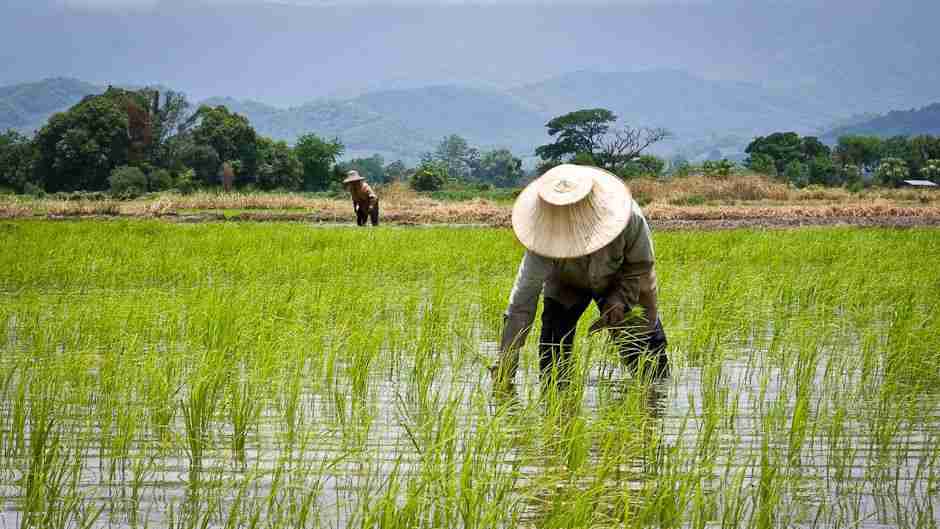
With the continuous advancement of technology, sustainable rice farming has been revolutionized through innovations in rice machinery. Modern equipment has transformed the way farmers cultivate and harvest this ancient crop, making the process more efficient and environmentally friendly.
One of the key advancements in sustainable rice farming is the development of precision seeding and planting machines. These state-of-the-art tools help farmers optimize seed placement and spacing, resulting in higher yields and reduced wastage. Additionally, the use of drone technology has enabled farmers to monitor crop health and detect diseases early, allowing for targeted interventions and minimizing the need for chemical pesticides. The integration of automation and data analytics has further enhanced the sustainability of rice farming, ensuring that resources are utilized effectively while reducing the environmental impact.
Future Trends in Rice Machinery Development
Rice machinery development is at an exciting crossroads, with new technologies and innovations reshaping the way this ancient crop is cultivated and harvested. One of the key trends in the future of rice machinery is the integration of artificial intelligence (AI) and machine learning algorithms. These technologies have the potential to revolutionize rice farming by optimizing planting patterns, irrigation schedules, and pest control measures.
Another significant trend in the development of rice machinery is the focus on sustainability and eco-friendliness. Manufacturers are increasingly incorporating features such as energy-efficient engines, reduced chemical usage, and recyclable materials into their machines. This shift towards more environmentally friendly practices not only benefits the planet but also helps farmers improve their yields and reduce costs in the long run. With these advancements, the future of rice machinery looks bright, promising a more efficient and sustainable approach to cultivating this essential crop.
Closing Remarks
As we have explored the remarkable journey of rice machinery and its impact on the ancient crop, it is evident that innovation continues to play a crucial role in modernizing the way we cultivate and process rice. From traditional methods to highly advanced technologies, the evolution of rice machinery has revolutionized the way we grow and harvest this staple food. As we look towards the future, it is clear that the innovation of rice machinery will continue to shape the way we cultivate and sustain this vital crop for generations to come. The fusion of tradition and technology showcases the endless possibilities for the future of rice production, forever changing the landscape of agriculture.




