
The Art of Perfection: Exploring Rice Polishers’ Impact
In the delicate balance between tradition and modernity, a seemingly unassuming kitchen tool emerges as a symbol of craftsmanship: the rice polisher. This small yet significant device plays a pivotal role in the culinary landscape, transforming raw grains into a polished staple celebrated across cultures. But beyond its functional purpose, the rice polisher embodies a rich tapestry of history, innovation, and the pursuit of perfection. As we delve into the world of rice polishing, we uncover not only the intricacies of the process but also the profound impact it has on the rice industry, culinary arts, and even health. Join us as we explore how this artisanal approach continues to shape our appreciation for one of humanity’s oldest food sources, turning mere grains into a canvas for gastronomic excellence.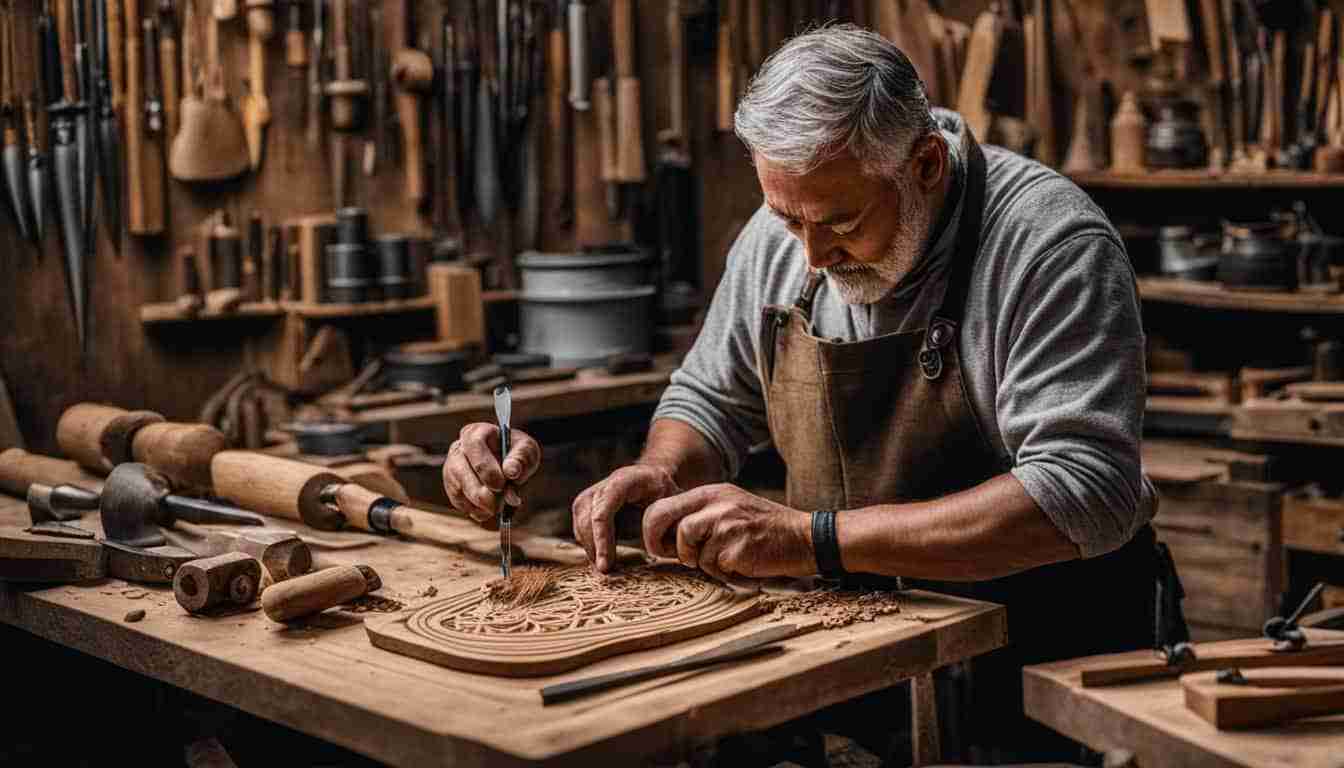
The Craftsmanship Behind Rice Polishers and Their Cultural Significance
Rice polishers are more than just tools; they are emblematic of cultural heritage and craftsmanship. The intricate design of traditional rice polishers showcases a blend of functionality and artistry, reflecting the meticulous care put into their construction. Artisans often employ locally sourced materials, such as bamboo and wood, which not only enhance the aesthetic appeal but also strengthen the connection to the land. This commitment to quality is evident in the way these instruments are crafted to deliver perfectly polished grains, preserving the nutritional value while embracing age-old traditions. The significance of rice polishers extends beyond daily cooking; they are symbols of community, skill, and the shared joy of preparing meals together.
The importance of rice polishers can be understood by exploring their role in various cultural and social settings. In many regions, the act of polishing rice signifies more than culinary preparation; it represents familial bonds and the rituals surrounding food. Additionally, the craftsmanship behind these tools serves as a vehicle for passing down traditions from one generation to the next. The following table highlights key aspects of rice polishers that underscore their cultural relevance:
| Aspect | Significance |
|---|---|
| Material | Local resources reflecting regional identity |
| Design | A blend of utility and artistic expression |
| Community Role | Encourages social interactions and shared traditions |
| Culinary Impact | Enhances taste and texture of staple foods |
Unveiling the Science: How Rice Polishers Enhance Nutritional Value
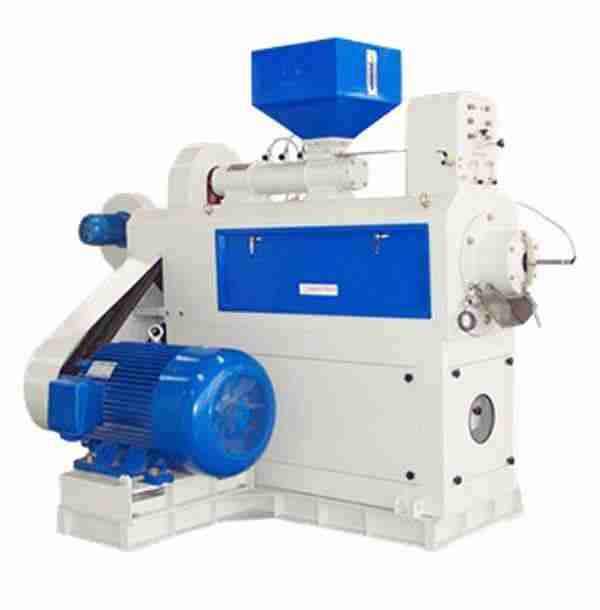
Rice polishing is not merely an aesthetic enhancement; it’s a transformative process that plays a crucial role in improving the nutritional profile of rice. By using advanced rice polishers, one can effectively remove the outer bran layer while preserving the essential nutrients found in the endosperm. These machines operate on principles of abrasion and airflow, ensuring that grains retain vital elements such as carbohydrates, proteins, vitamins, and minerals. The polished grains not only look appealing but also boast a longer shelf life, making them an essential component in various diets worldwide.
Moreover, the method of polishing can influence the rice’s glycemic index, which is a critical factor for those monitoring blood sugar levels. Through technological advancements, modern rice polishers allow for precision control over the polishing process. The careful calibration ensures that the rice retains beneficial nutrients while minimizing the loss of dietary fiber. Consider the following benefits of using high-quality rice polishing technology:
- Enhanced Nutrient Retention: Polishing methods that balance aesthetic appeal with nutrition.
- Customizable Levels of Polish: Tailored processing to meet diverse dietary needs.
- Improved Taste and Texture: Resulting in a more enjoyable culinary experience.

Sustainability in Action: The Environmental Benefits of Eco-Friendly Rice Polishers
In a world increasingly focused on sustainable practices, eco-friendly rice polishers are stepping into the spotlight, offering not just an efficient way to enhance rice quality but also providing numerous environmental benefits. These innovative devices prioritize energy efficiency, leading to reduced power consumption compared to traditional machines. By minimizing the use of electricity, they play a vital role in energy conservation, contributing to a lower carbon footprint. Furthermore, the use of organic materials in their construction minimizes the release of harmful toxins into the environment, ensuring that the earth remains pristine for future generations.
Another notable aspect of eco-friendly rice polishers is their waste reduction capabilities. Traditional rice polishing methods often result in significant by-products, such as husks and bran, which, if not properly managed, contribute to environmental degradation. In contrast, modern polishers leverage advanced technology to maximize rice recovery rates while efficiently processing waste materials into valuable resources. This emphasizes a circular economy approach, where waste is utilized rather than discarded. Some key benefits include:
- Reduced Waste Production: Innovations allow for more complete extraction of grain, leaving less waste.
- Resource Recovery: By-products can be repurposed into animal feed or biofuel.
- Water Conservation: These machines typically require less water for processing, further supporting sustainable practices.
Practical Tips for Selecting the Right Rice Polisher for Your Kitchen Needs
Choosing the ideal rice polisher for your kitchen can significantly enhance your cooking experience. Consider your rice consumption: smaller households may only need a compact model, while larger families might benefit from a high-capacity machine. Look for features that cater to your needs—such as automatic settings, adjustable polishing levels, and ease of cleaning. Don’t forget to take a stroll through user reviews to gather insights on reliability and performance from those who have already taken the plunge.
Once you narrow down your options, it’s essential to evaluate the build quality and materials. A polisher made from durable, food-safe materials ensures longevity and safety for your family. Additional features to keep an eye on include energy efficiency, which can save money over time, and a compact design suitable for your kitchen space. Compare warranties offered by manufacturers to guarantee your investment is protected against any unforeseen defects, adding peace of mind to your culinary journey.
Final Thoughts
As we conclude our exploration into the intricate world of rice polishers and their significant impact on the culinary arts, it’s clear that this seemingly simple tool embodies a rich tapestry of tradition, innovation, and cultural nuance. Beyond their mechanical functionality, rice polishers serve as a bridge between history and modernity, transforming humble grains into a culinary canvas that celebrates texture, taste, and nutritional value.
In a world striving for perfection, these devices remind us that beauty lies in both the process and the product. As we continue to refine our approach to cooking and food preparation, let us appreciate the beauty that lies within the polished grain—each kernel a testament to the harmony of tradition and technology. The art of perfection, it seems, is less about achieving an unattainable ideal and more about embracing the journey of enhancement, one grain at a time.
As we move forward, may the lessons learned from rice polishers inspire not only our culinary endeavors but also our appreciation for the craftsmanship that shapes our meals—a reminder that perfection, in all its forms, is often found in the subtleties of our daily rituals.




