
In the heart of a bustling rice paddy, the rhythmic sound of machinery intertwines with the gentle rustle of golden grains swaying in the breeze. As one of the world’s most vital food crops, rice is not just a staple on our plates; it is a lifeline for millions, shaping economies and cultures across continents. However, the methods of cultivation and harvest are undergoing a profound transformation. Innovative machinery is redefining traditional farming practices, bridging the gap between age-old techniques and the cutting-edge technology of today. In this article, we delve into the advancements revolutionizing rice harvests, exploring how these innovations are not only enhancing efficiency and productivity but also promoting sustainability in an era where food security is paramount. Join us on this journey as we uncover the future of rice cultivation and the machinery that is paving the way for a new agricultural landscape.
Harnessing Technology for Precision Farming in Rice Production
With the advent of advanced technology, precision farming has emerged as a game-changer in rice production. Farmers are increasingly adopting state-of-the-art technologies to optimize yield and resource management. These innovations include:
- GPS-guided equipment: Enhances field mapping and reduces overlaps.
- Remote sensing: Allows for real-time monitoring of crop health and soil conditions.
- IoT sensors: Collects critical data on moisture levels, nutrient needs, and pest activity.
Moreover, the integration of drones and automated machinery is revolutionizing traditional practices. These tools not only increase efficiency but also minimize labor costs. A comparison of traditional vs. modern rice production techniques highlights the potential benefits:
| Aspect | Traditional Practices | Modern Precision Techniques |
|---|---|---|
| Yield per Acre | Variable | Consistent and higher |
| Resource Usage | Excessive (water, fertilizers) | Optimized and reduced |
| Pest Management | Reactively managed | Proactive with data analytics |
Advanced Automation: Streamlining the Harvesting Process
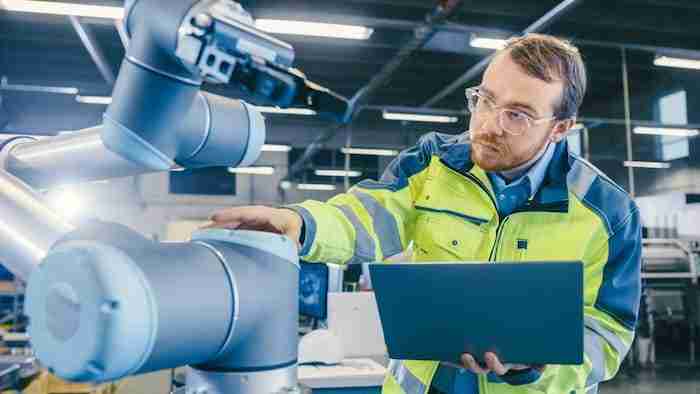
In the realm of rice harvesting, technological advancements are reshaping traditional methods, yielding a perfect blend of efficiency and precision. Automated harvesters, equipped with sophisticated sensors and robotics, are redefining production timelines while minimizing labor costs. These cutting-edge machines excel in various critical areas:
- Real-time Monitoring: Equipped with drones and satellite imaging, farmers can track crop conditions and harvest readiness, making data-driven decisions.
- Speed and Efficiency: Advanced machinery enables simultaneous cutting, threshing, and collection, significantly reducing the time spent in the fields.
- Reduced Crop Loss: Enhanced technology ensures careful handling and accurate measurement, leading to higher yield retention and less food waste.
Furthermore, eco-friendly innovations are addressing sustainability concerns that accompany agricultural practices. Many new harvesting technologies are designed to minimize emissions and energy consumption, promoting greener farming methods. A notable trend involves the integration of autonomous vehicles that can adapt to various terrains, ensuring minimal disruption to the land. The benefits of these approaches are evident in several key performance indicators:
| Performance Indicator | Traditional Methods | Automated Systems |
|---|---|---|
| Harvest Duration | 2-3 weeks | 1 week |
| Labor Costs | High | Reduced by 30% |
| Crop Loss Rate | 15% | 5% |
Sustainable Practices: Innovations that Minimize Environmental Impact
In the pursuit of a more sustainable agricultural industry, new technologies in rice machinery are addressing critical environmental challenges. The advent of precision agriculture tools, such as drones and GPS-guided harvesters, allows farmers to apply resources more efficiently. This results in reduced chemical runoff and lower energy consumption. Innovations in machinery also include biodegradable materials and energy-efficient designs, which lessen the carbon footprint associated with rice production. These advancements signal a positive shift towards minimizing environmental degradation while maximizing crop yield.
Moreover, the integration of smart technology in rice harvesting equipment is paving the way for more sustainable practices. Features such as real-time soil monitoring and automated irrigation systems adapt to changing climate conditions and reduce water waste. With vertical farming systems, high-density cultivation becomes feasible, utilizing limited space without further encroaching on natural habitats. The following table highlights some of the key innovations driving sustainability in rice machinery:
| Innovation | Environmental Benefit |
|---|---|
| Precision Application Technology | Minimizes chemical usage and runoff |
| Energy-efficient Harvesters | Reduces energy consumption during harvest |
| Smart Irrigation Systems | Conserves water resources effectively |
| Biodegradable Components | Minimizes plastic waste in agriculture |
| Vertical Farming Units | Optimizes land use and reduces deforestation |
Future Trends: The Role of AI and Robotics in Rice Agriculture
The integration of artificial intelligence and robotics is poised to change the landscape of rice agriculture dramatically. These technologies can optimize various farming processes, from planting to harvesting, significantly enhancing efficiency and productivity. Drones equipped with advanced sensors are being used to monitor crop health and assess soil conditions, enabling farmers to make informed decisions. Additionally, automated harvesters are designed to operate with precision, reducing the labor intensity of rice harvesting while minimizing crop damage. This not only leads to higher yields but also allows farmers to allocate their time and resources more effectively.
AI-driven data analytics platforms are transforming how rice production is approached, offering insights into everything from pest management to irrigation practices. By employing machine learning algorithms, farmers can analyze vast amounts of data, predicting yield outcomes and optimizing planting schedules. Furthermore, robotic systems are evolving in capabilities, with advancements in machine vision and navigation technologies allowing for seamless integration into traditional farming methods. This synergy between human creativity and technological innovation could redefine agricultural standards and sustainability in rice farming.
| Technology | Benefit | Example |
|---|---|---|
| Drones | Crop Monitoring | Health assessments |
| Automated Harvesters | Labor Efficiency | Reduced workforce needs |
| AI Analytics | Improved Decision-Making | Yield predictions |
| Robotics | Precision Agriculture | Accurate planting and harvesting |
In Conclusion
As we stand at the crossroads of tradition and innovation, the future of rice cultivation is profoundly reshaped by the advancements in machinery designed for this essential crop. From precision seeders that optimize planting to automated harvesters that reduce labor needs and enhance efficiency, these technological breakthroughs promise to transform the landscape of agriculture. By embracing these innovations, farmers can not only increase their yields but also contribute to a more sustainable and resilient food system.
As we look ahead, it is essential to continue exploring and investing in cutting-edge solutions that empower farmers and nourish communities worldwide. The journey of revolutionizing harvests is just beginning, and the potential to redefine how we cultivate, harvest, and ultimately enjoy rice is as vast as the fields that stretch across the horizon. Together, through collaboration and ingenuity, we can ensure that the future of rice farming is not only productive but also sustainable, feeding generations to come.




