
Mastering Perfection: The Art and Science of Rice Polishers
In a world where culinary precision meets cultural tradition, the humble rice polisher emerges as an unsung hero in the quest for the perfect grain. While rice serves as a staple in countless cuisines around the globe, the process of transforming it into a pristine ingredient relies heavily on the careful craftsmanship of polishing. This intricate technique not only enhances the aesthetic appeal and texture of rice but also plays a pivotal role in its nutritional profile.
As we delve into the fascinating intersection of art and science, we will explore the tools and technologies that have evolved to master this delicate process. From centuries-old methods passed down through generations to cutting-edge innovations in food processing, the journey of the rice polisher invites us to appreciate the nuances of an age-old staple. Join us as we uncover the secrets behind achieving culinary perfection, all starting from the seemingly simple, yet complex grain of rice.
Exploring the History and Evolution of Rice Polishers
The journey of rice polishers can be traced back to ancient civilizations where the need for efficient grain processing was paramount. Early methods utilized simple tools like mortar and pestles crafted from wood or stone. Over time, the emergence of mechanical designs marked a shift in rice processing, reflecting the ingenuity of various cultures. Innovations such as hand-cranked machines and powered devices began to emerge, drastically improving the efficiency of rice polishing. As economies grew and the demand for polished rice surged, the rice polisher evolved into a crucial component of rice production.
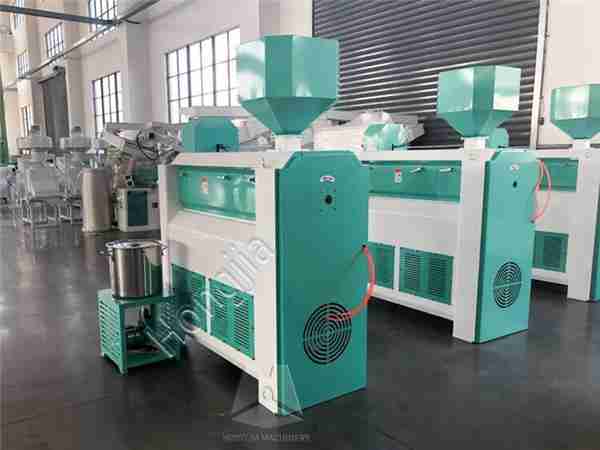
Throughout history, rice polishing has seen the intersection of tradition and technology. In modern times, rice polishers have transformed into sophisticated machines, employing advanced mechanisms to enhance the quality and appearance of rice. Key features of contemporary rice polishers include:
- Precision engineering for uniform polishing
- Adjustable settings for varying rice types
- Energy-efficient designs to minimize waste
Today’s rice polisher is not just about aesthetics; it plays a vital role in ensuring that rice retains its nutrients while achieving a desirable texture. The table below summarizes the evolution of rice polishers through the ages:
| Era | Type of Polisher | Key Features |
|---|---|---|
| Ancient | Mortar and Pestle | Manual, labor-intensive |
| Medieval | Hand-cranked Machine | Simple mechanics, semi-automated |
| Modern | Electric Rice Polisher | Advanced engineering, energy-efficient |
Understanding the Mechanism: How Rice Polishers Work
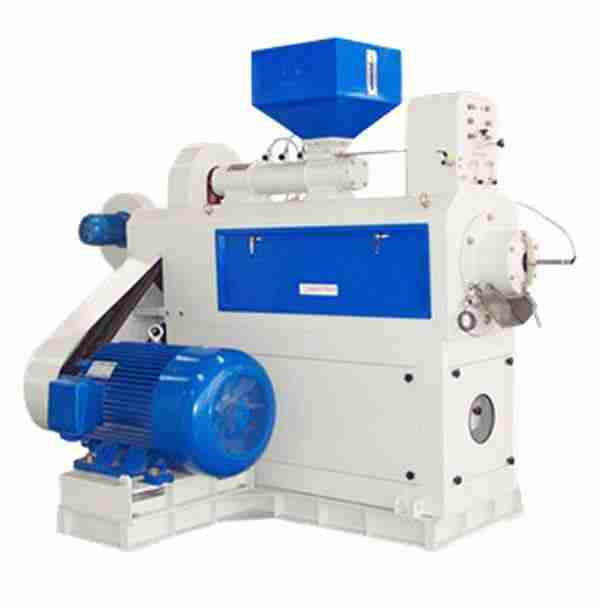
Rice polishers operate through a fascinating combination of mechanical precision and engineering ingenuity, designed to enhance the quality of rice while preserving its nutritional value. At the heart of the polisher lies the abrasive mechanism, usually made of silicon carbide or similar materials. It efficiently removes the husk and bran layers, exposing the pristine white kernel underneath. The machine utilizes a combination of friction, abrasion, and blowing air to facilitate this process, ensuring minimal breakage and maximizing yield. The controlled speed, along with various adjustable settings, allows for customization based on the type of rice being polished, showcasing the adaptability of modern rice processing techniques.
Moreover, the incorporation of automated features and sensors has revolutionized rice polishing. These components constantly monitor the condition of the rice and the efficiency of the polishing process, ensuring optimal results. For instance, advanced models may include real-time feedback mechanisms that help operators adjust settings dynamically based on the rice’s moisture content and other relevant factors. Below is a simple table illustrating some key components of a typical rice polisher:
| Component | Function |
|---|---|
| Abrasive Roller | Removes bran layers |
| Ventilation System | Removes excess heat and promotes airflow |
| Control Panel | Allows for setting adjustments and monitoring |
| Feeder Mechanism | Ensures even rice flow into the polishing chamber |
Choosing the Right Rice Polisher for Your Needs
When it comes to selecting a rice polisher, understanding your specific requirements is key to achieving the perfect grain. Consider the capacity of the polisher, as it must align with your daily output needs. A small-scale operator may find a manual or semi-automatic model sufficient, while a commercial producer will require a high-capacity machine that integrates advanced technology for maximum efficiency. Additionally, evaluate the features offered by different models. Look for options that include adjustable polishing time, built-in dust collection systems, and user-friendly controls to improve overall productivity. don’t overlook the proven track record of the brand; a reputable manufacturer can offer not only durability but also reliable customer support.
Another critical factor is the type of rice you process. Different rice varieties may require tailored approaches to achieve that desired sheen without compromising flavor and nutritional value. For instance, long-grain rice often benefits from more delicate polishing, which a sophisticated hassle-free machine can deliver. Meanwhile, short-grain options may need a more robust approach to reach the correct texture. Additionally, the energy efficiency of the polisher is worth considering; a machine that saves on power can reduce long-term operating costs. To assist in your decision-making, refer to the following comparison table showcasing essential features of popular rice polishers:
| Model | Capacity (kg/h) | Polishing Type | Energy Consumption (kW) |
|---|---|---|---|
| EcoPolish 3000 | 500 | Automatic | 2.5 |
| GrainMaster 200 | 200 | Semi-Automatic | 1.8 |
| PureGrain Pro | 1000 | Manual | 3.0 |
Maximizing Efficiency: Tips for Optimal Rice Polishing Techniques
Achieving the perfect polish on rice not only enhances its visual appeal but also improves its cooking qualities. To optimize your rice polishing technique, it’s essential to consider several key factors. Water temperature plays a critical role; using lukewarm water can help in efficiently removing outer layers without damaging the grain. Additionally, finely tuned milling settings can adjust the pressure and contact time between the rice and the polisher, ensuring that each grain is polished uniformly. Incorporating regular maintenance of polishing equipment cannot be overlooked, as residue buildup can lead to inconsistent results.
Furthermore, understanding the varietal differences in rice can guide you in choosing the right polishing technique. Not all rice types require the same polishing duration or intensity, which is crucial for maximizing both flavor and nutritional value. When it comes to processing, implementing a multistage polishing approach is beneficial, where you gradually polish the rice in stages to prevent excessive heat and breakage. Consider utilizing an optimal airflow system during polishing to reduce moisture retention, enhancing the overall quality of the finished product. The following table summarizes these vital factors:
| Factor | Importance |
|---|---|
| Water Temperature | Helps in efficient outer layer removal |
| Milling Settings | Ensures uniform polishing |
| Equipment Maintenance | Reduces residue buildup for consistency |
| Varietal Differences | Tailors polishing to rice type |
| Multistage Approach | Prevents overheating and breakage |
| Optimal Airflow | Minimizes moisture retention |
To Conclude
In the intricate dance between tradition and innovation, the rice polisher emerges as a remarkable testament to the art and science of achieving culinary perfection. As we have explored, mastering the technique of polishing rice not only elevates its flavor and texture but also honors the age-old practices that have shaped agricultural cultures across the globe.
Whether you’re a seasoned chef or a home cook eager to enhance your culinary repertoire, understanding the nuances behind the rice polisher is essential. It’s a sublime blend of craftsmanship and technology, a tool that bridges the gap between mere sustenance and an exalted dining experience.
As we conclude our journey through the world of rice polishing, we invite you to reflect on the processes, the heritage, and the innovation involved in bringing the humble grain to life. By mastering the art of rice polishing, you’re not just refining a staple; you’re partaking in a cultural legacy that spans millennia. So, the next time you gather around a bowl of perfectly polished rice, remember that each grain carries with it a story, a technique, and an unyielding quest for excellence. Happy cooking!




