Mastering Grain Perfection: The Evolution of Jet Rice Polishers
In a world where culinary excellence is celebrated and the pursuit of perfect texture is paramount, rice stands as one of the most essential staples in numerous cuisines. Yet, the journey from paddy to plate is more intricate than one might imagine. At the heart of this transformative process lies a remarkable innovation that has revolutionized how we achieve grain perfection: the jet rice polisher. This article delves into the fascinating evolution of jet rice polishers, tracing their origins, technological advancements, and their pivotal role in enhancing the quality of rice around the globe. As we explore the interplay between tradition and technology, we uncover how these elegant machines elevate a simple grain into a canvas for culinary artistry, ensuring that each bite fulfills the promise of flavor, texture, and nourishment. Join us on this journey to master the grain, as we expose the hidden craftsmen behind the curtain of modern rice polishing.
Understanding jet Rice Polishers and Their Impact on Grain Quality
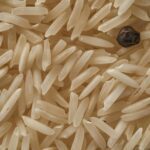
In the world of grain processing, jet rice polishers play a pivotal role in enhancing the quality of rice by refining its appearance and texture. These advanced machines utilize a stream of air,combined with finely calibrated abrasion,to gently remove the outer layers of the rice grains without compromising their inner integrity. The impact of this process is profound, as it transforms rough, unpolished rice into a shiny, appealing product that is more marketable and desirable for consumers. By employing precise control mechanisms, modern jet rice polishers are designed to minimize breakage and maximize overall yield, resulting in a higher-quality product that captivates both retailers and end-users alike.
Moreover, the effectiveness of jet rice polishers hinges on various factors, including the type of rice being processed, the speed and pressure of the air jet, and the duration of polishing. To truly appreciate their contribution, it’s essential to recognize the key benefits they offer:
- Enhanced Visual Appeal: Polished rice exhibits a brighter, lustrous sheen that attracts consumers.
- Improved Culinary Qualities: The polishing process can also enhance cooking properties, leading to better texture and flavor.
- Increased Shelf Life: Smooth surfaces reduce the chances of mold growth and pest infestation, extending the rice’s longevity.
However, it is important to balance these advantages with the potential downsides, such as nutrient loss during the polishing process. Nutrients like vitamins and minerals may be diminished, necessitating a careful approach to the polishing duration and intensity. understanding the intricacies of jet rice polishers equips producers with the knowledge needed to harness their benefits effectively while safeguarding grain quality for consumers.
Technological Advancements in the Design of Rice Polishers
In recent years, the design of rice polishers has undergone meaningful technological advancements that have revolutionized the grain processing industry. Conventional methods of polishing rice often resulted in the loss of vital nutrients and flavor, leading to a push for more sophisticated solutions. Modern jet rice polishers utilize high-velocity air jets and innovative design principles to achieve a superior polish while safeguarding the integrity of the grain. Features such as adjustable polishing intensity and automated monitoring systems allow for precise control over each batch, ensuring that the rice retains its nutritional value and taste.
Moreover, advancements in materials and energy efficiency have made these machines more lasting than ever. The incorporation of eco-friendly components reduces the environmental impact of rice processing, while smart technology enhances operational efficiency. Key features improving design include:
- Advanced Control Systems: Enabling operators to customize settings through user-friendly interfaces.
- Energy-Efficient Motors: Reducing power consumption and operational costs.
- durable Materials: ensuring longevity and reliability, even in high-volume operations.
Furthermore, a shift towards automation and real-time data analytics is paving the way for future innovations in rice polishing technology.
| Feature | Benefit |
|---|---|
| High-Velocity Air Jets | Improves grain polish without nutrient loss |
| Smart Monitoring Systems | Ensures consistent quality control |
| Eco-Friendly Design | Minimizes environmental impact |
Best Practices for Achieving Optimal Rice Polishing Results
To achieve the finest results in rice polishing, it is essential to focus on several critical factors that can substantially elevate the quality of the end product. First, maintaining optimal machine settings plays a vital role. Adjust the polishing speed, pressure, and duration according to the type of rice being processed. Optimal settings vary between grains—long-grain, medium-grain, and short-grain rice each requires specific adjustments to maximize polishing efficiency without compromising grain integrity. Additionally, regular maintenance of the polishing equipment ensures that the machine operates at peak performance, which includes cleaning components and replacing worn parts to minimize grain breakage.
Another key aspect involves the selection of polishing abrasives.High-quality abrasives not only enhance the polishing process but also reduce the possibility of excessive pitting or chipping on the rice grains.Furthermore, conducting periodic quality assessments post-polishing allows for timely adjustments in procedures and settings. Consider utilizing the following practices to refine your polishing process:
- Monitor moisture content: Consistent moisture levels in rice contribute to a smoother polishing experiance.
- Pre-soaking rice: Soaking the grains prior to polishing can yield better results by softening outer layers.
- Test run evaluations: Conduct trial runs and assess samples to predict the polishing outcome and adjust procedures accordingly.
Incorporating these practices can lead to substantial improvements in rice quality, ensuring a polished product that meets consumer expectations. Using a systematic approach allows mill operators to innovate continuously and adapt to new polishing technologies, especially as the industry continues to evolve.
Future Trends in Jet Rice Polishing and Sustainable Practices
The future of jet rice polishing is poised for remarkable change, aligning more closely with sustainable practices as the industry adapts to global environmental challenges. Innovations in biodegradable materials for polishing components will pave the way for eco-friendly alternatives, reducing waste and enhancing the recyclability of used components.Moreover, advancements in energy-efficient technology will reflect a significant shift towards minimizing the carbon footprint of rice processing facilities.
Future trends also signal a move toward smart technology integration in jet rice polishers. Enhanced monitoring systems using IoT will provide real-time feedback on the polishing process to optimize efficiency and reduce unnecessary waste. These systems will enable millers to adjust parameters dynamically based on the rice variety and desired polish,ensuring a consistent and high-quality end product. Additionally, education initiatives focused on sustainable practices will empower farmers and processors alike to embrace methods that not only conserve resources but also ensure the longevity of their operations.
| Trend | Description |
|---|---|
| Biodegradable Materials | Use of plant-based alternatives in machinery components. |
| Energy Efficiency | Improvements in technology to lower energy consumption. |
| Smart Technology | Integration of IoT for real-time process monitoring. |
| Education Initiatives | Training for sustainable practices among rice processors. |
In Summary
As we conclude our journey through the evolution of jet rice polishers, we find ourselves at the intersection of tradition and innovation. The mastery of grain perfection is not merely a technical feat; it embodies the dedication and ingenuity of those who seek to enhance the age-old practice of rice polishing. From humble beginnings to sophisticated machinery, each advancement reflects a commitment to quality, efficiency, and sustainability.
As technologies continue to evolve, so too will our understanding of how best to harness them for the benefit of our agricultural practices and food systems. The jet rice polisher stands as a testament to this ongoing quest for perfection, ensuring that each grain not only meets the highest standards but also satisfies the palates and diets of consumers around the world.
In a time when the global food landscape is constantly shifting, mastering grain perfection through such innovations is crucial. The journey doesn’t end here; it merely opens the door to further exploration and continued progress. As we look toward the future,may we embrace the delicate balance between preserving our culinary heritage and embracing the advancements that pave the way for a more sustainable and high-quality food experience.