Harvesting Innovation: The Role of Rice Machinery in farming
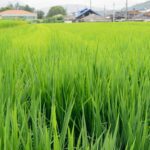
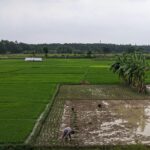
In the lush, verdant fields of rice paddies around the globe, a quiet revolution is taking place. As farmers work tirelessly to feed an ever-growing population, thay increasingly turn to innovative machinery that not only enhances productivity but also redefines traditional farming practices. The evolution of rice machinery serves as a testament to human ingenuity and resilience, blending age-old agricultural wisdom with cutting-edge technology. From tractors designed to traverse the soggiest terrains to elegant harvesters that streamline the gathering process, these advancements are not just tools; they are catalysts for change. This article explores the transformative impact of rice machinery on farming, illuminating how these innovations are reshaping the landscape of agriculture, enhancing yields, and ensuring food security for generations to come. Join us as we delve into the intricate relationship between technology and tradition in the world of rice farming.

Harnessing Technology in Rice Cultivation
In today’s dynamic agricultural landscape, the integration of advanced machinery into rice cultivation practices has revolutionized how farmers approach their work. Precision farming tools such as satellite imaging and drone technology enable farmers to gather real-time data about crop health, soil conditions, and moisture levels. This high level of monitoring empowers growers to make informed decisions, optimizing the use of resources and enhancing yield potential. Innovative machinery also facilitates critical tasks, ensuring efficiency during various phases of farming, from planting to harvesting.
Moreover, mechanization has shifted traditional farming practices toward more streamlined operations. key advancements such as combine harvesters and seeders have considerably reduced the manual labor and time involved in rice production. These machines not only ease the burden on farmers but also ensure uniformity in planting and harvesting, which is essential for producing high-quality rice. Investing in machinery can lead to improved profitability and sustainability in rice farming by minimizing waste and maximizing crop output. Consider the following table that highlights the transformative impact of machinery on rice farming:
| Machinery Type | Benefits |
|---|---|
| Combine Harvester | Reduces labor hours, increases harvesting speed |
| Seed drill | Ensures accurate seed placement, improves germination rates |
| Drone Sprayers | Targets pesticides and fertilizers precisely, minimizes chemical use |
| Soil Moisture Sensors | Optimizes irrigation schedules, conserves water usage |

Streamlining operations with Advanced Rice Machinery
In the evolving world of agriculture, harnessing the power of cutting-edge rice machinery is pivotal for enhancing productivity and efficiency. By incorporating state-of-the-art equipment, farmers can achieve a level of precision that was previously unattainable. These advanced machines not only automate labor-intensive tasks but also contribute to lasting farming practices. Key benefits include:
- increased Yield: Precision planting and harvesting techniques lead to higher crop returns.
- Improved Soil Management: Advanced machinery minimizes soil compaction, enhancing overall health.
- Time Efficiency: Tasks that once took days can now be completed in hours, freeing up time for othre critical operations.
Moreover, the implementation of advanced machinery facilitates data collection and analysis, allowing farmers to make informed decisions based on real-time metrics. The machinery is equipped with technology that tracks variables such as moisture levels and pest activity, enabling a proactive approach to farming. Below is a comparison table that showcases the features of some leading rice machinery in the market:
| Machine Model | Key Features | Suitable For |
|---|---|---|
| Rice combine Harvester 3000 | Multi-crop functionality,automatic adjustment | Large farms |
| Precision Seeder PRO | GPS-guided,reduced seed usage | Small to medium farms |
| Smart Rice drone | Aerial fertilization,pest surveillance | All farm sizes |
Enhancing Sustainability through Innovative Harvesting Practices
The agriculture industry faces increasing pressure to adopt sustainable practices,and innovative harvesting techniques are at the forefront of this conversion. Modern rice machinery embodies technological advancements that significantly reduce waste and enhance efficiency. By utilizing precision farming tools such as automated harvesters and smart sensors,farmers can optimize their operations,minimizing environmental impacts while maximizing yields. These machines enable precise cutting and separation of rice grains,which in turn reduces post-harvest losses and ensures that more of the crop reaches consumers.
Additionally, the integration of renewable energy sources into rice harvesting machinery is revolutionizing traditional practices. As an example, equipment powered by solar energy not only reduces carbon footprints but also lowers operational costs for farmers. The move towards using lightweight, durable materials in machinery design allows for greater maneuverability and less soil compaction. Key benefits of these innovative practices include:
- Enhanced Crop Quality: Reduced damage during harvest leads to higher quality rice.
- Resource Efficiency: Lower water and energy usage can translate into cost savings.
- Environmental Conservation: Sustainable practices help protect biodiversity in rice-growing areas.
| Innovation | Benefit |
|---|---|
| Automated Harvesters | Minimize labor costs and improve cutting accuracy |
| Solar-Powered Equipment | Reduces reliance on fossil fuels |
| Smart Sensors | Provide real-time data for better decision-making |
Maximizing Yields: Best Practices for Implementing Modern Equipment
Incorporating modern equipment into your farming operations can significantly elevate productivity and sustainability. By adopting advanced machinery tailored for rice cultivation, farmers not only enhance their yield but also minimize labor costs and reduce waste. Essential best practices for the effective implementation of this technology include:
- Regular Maintenance: Ensuring machines are regularly serviced can extend their lifecycle and prevent unexpected breakdowns.
- Operator Training: Well-trained staff can maximize the capabilities of modern equipment, leading to better productivity and safety on the field.
- Smart Technology Integration: utilizing precision agriculture tools such as GPS and drones assists in optimal planting and harvesting strategies, ensuring efficient resource use.
Additionally, it’s critically important to analyze the specific needs of your farm before investing in new equipment. This approach helps in selecting the right machinery that aligns with your operational goals.A proactive strategy can include:
- Assessing Soil Health: Tailoring machinery to fit soil conditions can optimize yield potentials.
- Setting Benchmarks: Establishing clear performance indicators allows for ongoing evaluation of how new technologies improve production.
- Collaborating with Agronomists: Engaging with experts can guide decisions about the most effective equipment for particular rice varieties or farming conditions.
Insights and Conclusions
As we stand at the crossroads of tradition and technology, the role of rice machinery in modern farming becomes more than just a topic of discussion; it embodies the spirit of innovation that drives agriculture forward. The delicate balance between harnessing the earth’s bounty and embracing the advancements of the digital age is pivotal as farmers navigate the complexities of global food production. Rice machinery,with its intricate designs and sophisticated functionalities,paves the way for more efficient harvesting practices,ultimately contributing to food security and sustainable farming.
As we reflect on the future of rice farming, it is clear that the integration of cutting-edge technology will continue to evolve, fostering resilience in the face of climate change and the ever-growing demands of our global population. The journey of harvesting rice is no longer solely about the crops; it also encompasses the ingenious methods and tools that revolutionize the way we nurture them.
as we push the boundaries of what is possible in agriculture, let us celebrate the fusion of innovation and tradition—an ongoing narrative that not only feeds the world but also sustains it for generations to come. And so, we look ahead with hope and determination, ready to embrace the new frontiers in rice farming, one innovation at a time.