
In a world where culinary precision and quality reign supreme, the quest for perfect grains transcends the ordinary. Enter the mini rice polisher—a compact marvel that is redefining how we care for our rice. Gone are the days when polishing grains was a labor-intensive chore reserved for artisans and innovators. Today, this sleek device stands at the forefront of a revolution, promising to bring efficiency and elegance into the heart of kitchens everywhere. With its ability to enhance texture, improve flavor, and elevate the overall dining experience, the mini rice polisher is not just a tool; it’s a game-changer. Join us as we explore how this seemingly simple gadget is transforming the art of grain polishing and making high-quality rice accessible to home cooks and chefs alike.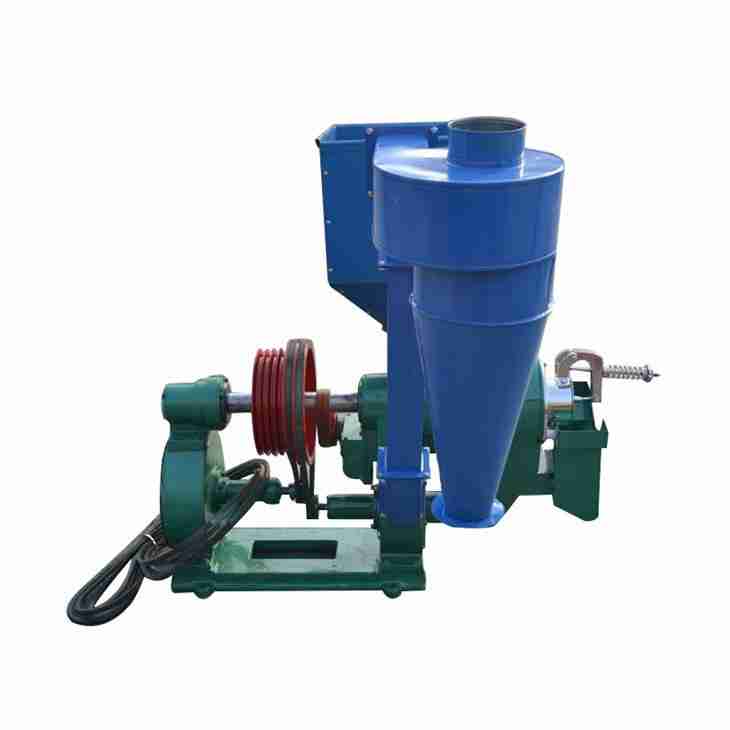
The Rise of the Mini Rice Polisher in Sustainable Grain Processing
The mini rice polisher is not just a tool; it’s a game changer in sustainable grain processing that promotes efficiency while minimizing waste. Compact in design yet powerful in performance, this innovative machinery ensures that rice is polished to perfection without the excessive resource consumption often seen in traditional methods. With an emphasis on sustainability, these polishers utilize advanced technology to achieve high polishing rates while reducing environmental impact. As a result, they are becoming increasingly popular among small-scale farmers and grain processors who are looking for ways to enhance their productivity without compromising their commitment to protecting the planet.
Key features of the mini rice polisher include:
- Energy Efficiency: Designed to use less power compared to larger machines, ensuring lower operational costs.
- Space-Saving Design: Its small footprint makes it ideal for farms and processing units with limited space.
- Quality Output: Produces polished grains with a higher nutritional value by retaining more essential vitamins and minerals.
- Easy Maintenance: Simple design allows for quick cleaning and less downtime during operations.
Furthermore, the adoption of the mini rice polisher aligns with global efforts to improve food security and reduce food waste. By enhancing the quality and shelf life of the grains processed, this technology contributes to a more sustainable food supply chain. Consider the following benefits:
| Benefit | Impact |
|---|---|
| Higher Nutritional Retention | Improved health for consumers |
| Decreased Resource Consumption | Lower carbon footprint |
| Affordable Investment | Accessible for smallholder farmers |

Understanding the Mechanisms Behind Effective Grain Polishing
The process of grain polishing is not merely a cosmetic enhancement; it’s a complex interplay of physical and mechanical properties that transforms raw grains into a shining and desirable final product. At its core, effective polishing hinges on a few key mechanisms that ensure optimal results. Primarily, the friction between the grains and the polishing medium plays a critical role. This friction initiates the removal of bran layers and any foreign impurities without significant damage to the grain endosperm. Additionally, the use of a specific polishing medium, such as cast iron or ceramic stones, enhances durability and offers a controlled abrasion necessary for achieving that lustrous finish. The precise balance of speed and pressure applied during the polishing process must be optimized to prevent excessive heat generation, which could otherwise negatively affect the grain quality.
Furthermore, the moisture content of grains before polishing is pivotal. An ideal moisture level facilitates better polishing outcomes by allowing grains to be more pliable and reducing the risk of cracking or breaking. The use of advanced technology in mini rice polishers incorporates multi-stage polishing systems, which gradually refine grains without compromising their integrity. These systems allow for a meticulous control of factors such as temperature, humidity, and mechanical pressure, achieving a polished grain that is not only visually appealing but also nutritionally intact. Below is a table summarizing the critical factors involved in the polishing process:
| Factor | Description | Impact |
|---|---|---|
| Friction | Interaction between grains and polishing medium. | Essential for removing bran efficiently. |
| Medium Type | Material used for polishing (e.g., ceramic). | Affects durability and abrasion control. |
| Moisture Content | Water level in grains pre-polishing. | Influences grain pliability and reduces breakage. |
| Technology | Use of advanced polishing systems. | Allows precise control for optimal results. |
Maximizing Nutritional Value: Benefits of Polished Grains
Polished grains offer an exciting transformation that not only enhances the appearance of rice and similar staples but also subtly improves their flavor and texture. By carefully buffing the grains, the process reduces breakage and infuses a pleasant shine without compromising essential nutrients. Some of the notable benefits include:
- Improved Digestibility: Polished grains are easier on the stomach, often leading to better nutrient absorption.
- Enhanced Visual Appeal: Shiny grains create an enticing presentation, making meals more appealing to eat.
- Better Cooking Performance: The uniformity in polishing contributes to even cooking, resulting in a desirable texture.
While the polishing process may seem extravagant, it doesn’t necessarily strip away all nutritional benefits. In fact, many mini rice polishers are designed to preserve vital vitamins and minerals, striking a balance between aesthetics and nutrition. This can be measured through various factors, with a focus on essential nutrients retained in polished versus unpolished grains:
| Grain Type | Vitamin B1 (Thiamine) | Iron | Fiber |
|---|---|---|---|
| Unpolished Rice | 0.24 mg | 0.90 mg | 2.0 g |
| Polished Rice | 0.12 mg | 0.50 mg | 1.0 g |
This table displays how polishing impacts micronutrient retention, showcasing the slight trade-off in fiber and certain vitamins while still offering grains that tantalize the palate.
Choosing the Right Mini Rice Polisher for Your Needs
When selecting a mini rice polisher, it’s essential to consider your individual needs and preferences. Start by assessing the scale of your rice processing; for small households, a compact model designed for limited use will suffice. On the other hand, if you are running a small business or frequently cook for larger gatherings, consider a model with a higher capacity that can efficiently process more grains at once. Factors such as polishing speed, energy efficiency, and ease of cleaning should also influence your decision. Make sure to choose a polisher that fits comfortably in your kitchen space and has user-friendly controls.
Additionally, pay attention to the features that enhance functionality. Some popular features to look for include:
- Adjustable polishing time: Customize the degree of polish based on your grain type.
- Noise level: Opt for quieter models to maintain a peaceful cooking environment.
- Durability: Look for high-quality materials that promise longevity and reliable performance.
By prioritizing these considerations, you can confidently choose a mini rice polisher that not only meets your grain polishing requirements but also enhances your culinary experience.
Concluding Remarks
As we step into a new era of grain processing, the Mini Rice Polisher stands as a testament to innovation and efficiency. This compact yet powerful tool not only enhances the visual appeal of our beloved grains but also elevates their nutritional value, paving the way for a future where quality and convenience coexist. As more farmers, millers, and culinary enthusiasts adopt this revolutionary technology, we can anticipate a ripple effect that will ultimately benefit consumers and enrich our global food culture. Whether you’re a small-scale farmer or a gourmet chef, embracing the Mini Rice Polisher could transform your approach to food preparation. By investing in such advancements, we are not only shining our grains but also illuminating the path toward sustainability and progress in the agricultural landscape. The revolution is here, and it’s time to embrace the shine!




