
Unlocking the Secrets of Paddy Processing: A Comprehensive Guide
In the heart of agrarian societies, where the rhythm of life syncs with the cycles of nature, rice holds a sacred place. From the vast, emerald fields swaying in the breeze to the steaming bowls gracing dinner tables across the globe, paddy rice is more than just a staple; it is a symbol of sustenance, culture, and community. Yet, behind the simple grain lies a complex journey, one that transforms unassuming paddy into the polished rice cherished by billions.
In this comprehensive guide, we embark on a voyage through the intricate processes of paddy processing. We will uncover the hidden steps involved—from harvest to hulled grain—shedding light on the techniques and technologies that define this age-old craft. Understanding these processes not only honors the age-old traditions of rice cultivation but also illuminates the innovations that ensure food security in our modern world. Join us as we delve into the rich tapestry of paddy processing, unraveling the secrets that lie within each grain and celebrating the art and science behind this essential element of human existence.
Understanding the Paddy Lifecycle from Field to Mill
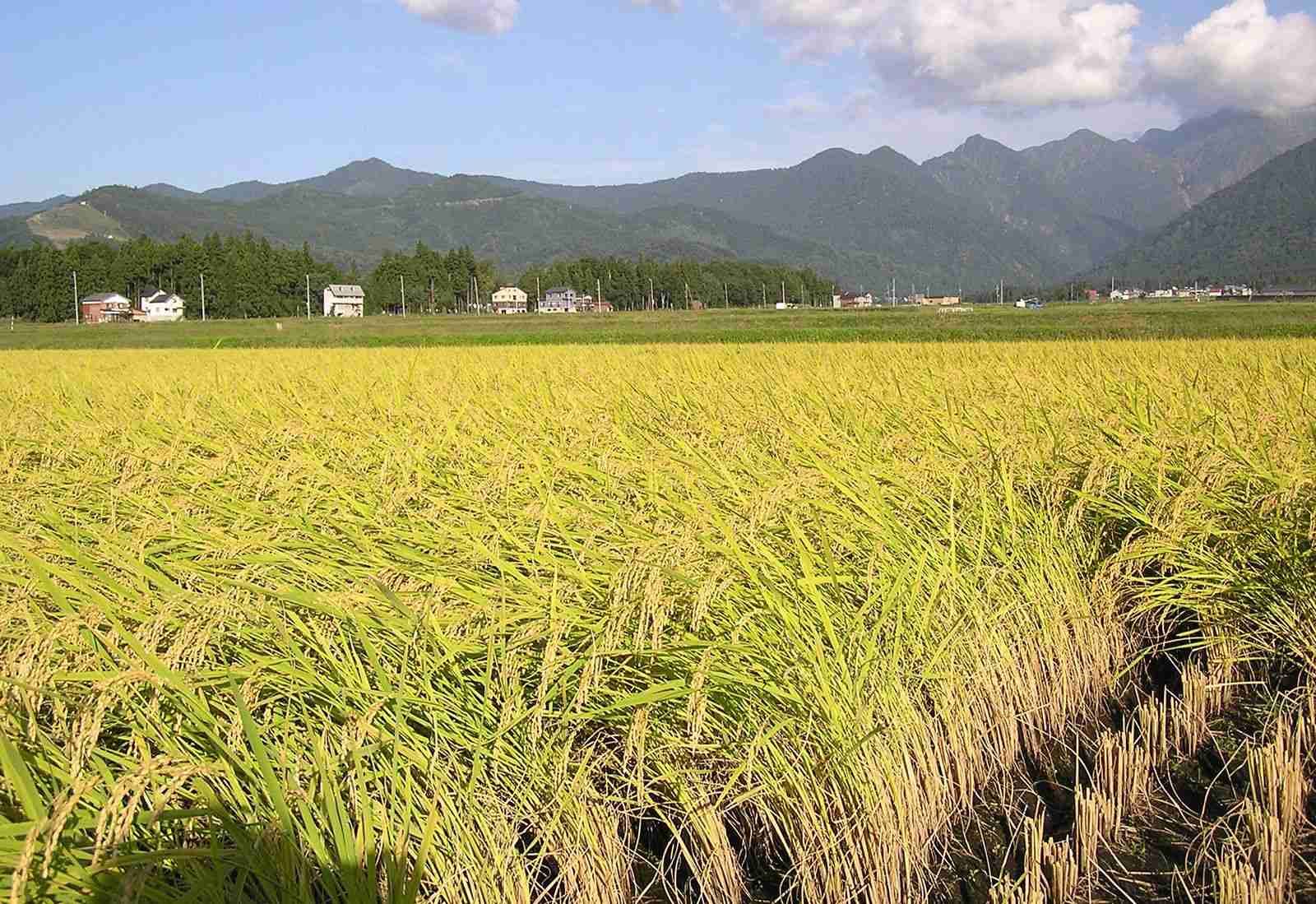
The journey of paddy from the lush green fields to the bustling mills is a fascinating process that combines nature’s wonders with human ingenuity. Paddy, also known as rice before processing, begins its lifecycle as a tiny seed planted in waterlogged fields, known as paddies. As the seeds sprout in warm, nutrient-rich environments, they undergo a transformation, developing into tall, green stalks that sway gracefully in the wind. Farmers meticulously care for their crops through various stages, ensuring optimal growth conditions by managing water levels, monitoring pests, and applying fertilizers. Once the grains reach maturity, they are harvested, marking the transition from crop cultivation to post-harvest management.
After harvesting, paddy enters the critical phase of processing that involves several steps aimed at converting raw grains into clean, market-ready rice. These stages include:
- Drying: Reducing the moisture content to prevent spoilage.
- Threshing: Separating the rice grains from the hulls.
- Milling: Removing the husk and polishing the grains to enhance appearance and quality.
Each of these phases is crucial, and improper handling can result in diminished quality or yield. This sequence not only determines the final product’s quality but also its market value, making it essential for stakeholders at every step—from the farmer to the mill operator—to understand the intricacies of paddy processing.
| Stage | Key Actions | Outcome |
|---|---|---|
| Harvest | Cutting and gathering mature paddy | Raw paddy |
| Drying | Spread out grains for moisture reduction | Stable moisture content |
| Threshing | Using mechanical means to separate grains | Loose rice grains |
| Milling | Polishing grains and removing husks | Market-ready rice |
Essential Steps in Effective Paddy Drying Techniques
Drying paddy effectively is crucial to preserving its quality and preventing spoilage. To achieve optimal results, several key steps should be followed during the drying process. First, ensure that the moisture content of the harvested paddy is checked with a moisture meter. Ideally, paddy should be dried to a moisture level of around 14% to 18%, depending on storage conditions. Next, choose the appropriate drying method that suits your resources and scale. Options include sun drying, mechanical drying, and hybrid drying techniques, each with its own benefits. Proper airflow is essential; make sure to arrange the paddy in thin layers to facilitate even drying.
In addition to selecting the right method and monitoring moisture, it is also vital to consider environmental conditions such as temperature, humidity, and wind speed. Early mornings or late afternoons often provide the best drying conditions with lower humidity levels. Implementing a drying schedule can also be beneficial; for instance, take advantage of sunny weather for sun drying, and reserve cooler, humid days for mechanical methods. Maintain cleanliness in your drying area to avoid contamination, and periodically check for mold or insect infestations during the drying process. Following these fundamental steps will ensure high-quality paddy and better preservation for the future.
Innovative Milling Processes for Enhanced Grain Quality
In the quest for superior grain quality, innovative milling processes have emerged as game-changers in the paddy processing industry. By integrating advanced technologies, millers are able to enhance the milling efficiency while preserving the nutritional integrity of the grains. Techniques such as water tempering and multi-pass milling not only minimize breakage but also enhance grain appearance, allowing for better marketability. The use of laser sorting systems further elevates quality control by ensuring that only the best grains proceed through the milling stages.
Moreover, the adoption of eco-friendly practices in milling has become increasingly important. Many facilities are now implementing energy-efficient machinery and waste-recycling systems that minimize environmental impact. This approach not only benefits the planet but also reduces operational costs. Additionally, the use of smart sensors equipped in milling machines allows for real-time monitoring of grain quality, enabling millers to make data-driven decisions that result in higher quality outputs. The integration of these processes ultimately leads to a product that meets consumer demands while sustaining agricultural practices.
Best Practices in Storage and Preservation of Rice Products
To ensure longevity and quality, proper storage of rice products is crucial. Start by selecting a cool, dry, and dark place for storage, as these conditions help to minimize exposure to moisture and sunlight, which can lead to spoilage. Use airtight containers to seal rice effectively—this not only keeps out moisture but also prevents pest infestations. Consider the type of rice being stored; for instance, white rice has a longer shelf life compared to brown rice, which can spoil faster due to its higher oil content. An excellent practice is to label containers with the date of storage, helping you track freshness and rotation.
In addition to proper storage practices, periodic inspection is essential to maintain quality. Check stored rice products every few months for any signs of pests, mold, or off smells. If you’re dealing with bulk storage, consider employing the FIFO (First In, First Out) method to ensure older stock is used first, reducing the chance of spoilage. It’s also beneficial to store different types of rice separately to avoid cross-contamination of flavors. For the best results, incorporate moisture-absorbing packets into your containers as an extra measure against humidity. Here’s a simple table summarizing the shelf lives of different rice products:
| Rice Type | Shelf Life (Stored Properly) |
|---|---|
| White Rice | Indefinitely |
| Brown Rice | 6 months – 1 year |
| Jasmine Rice | 1 year |
| Wild Rice | 4 - 5 years |
Key Takeaways
As we conclude our exploration of paddy processing, we hope that this comprehensive guide has illuminated the intricate journey from field to plate. Each stage, from harvest to milling, carries its own set of challenges and nuances, yet all contribute to the final product that graces our tables. By unlocking these secrets, we not only deepen our appreciation for this staple grain but also recognize the dedication of those who cultivate and process it.
As you move forward, may this knowledge empower you to make informed choices—whether you’re a producer, a consumer, or simply a curious mind. The world of paddy processing is rich with tradition and innovation, and as we continue to evolve in our methods, so too can our connection to this vital resource. Thank you for joining us on this journey—may your own path through the world of grains be as enlightening as the one we’ve traversed together.




