Unlocking Quality: the Art and Science of Paddy Processing
Imagine a world where the humble grain of paddy transforms into fragrant, fluffy rice – a staple that nourishes billions and connects cultures across continents. But behind this culinary magic lies a meticulous process, steeped in tradition yet fortified by modern science.In “Unlocking Quality: The Art and Science of paddy Processing,” we journey through the intricate stages of paddy processing, revealing how each step contributes not just to the grain’s ultimate quality, but also to its sustainability and safety. From harvesting techniques that respect the earth to innovative milling technologies that preserve nutrients, this exploration delves into the delicate balance between age-old practices and contemporary advancements. Join us as we uncover the secrets of paddy processing, a craft that is as much an art form as it is indeed a scientific endeavor, shaping the rice that graces our tables and sustains our lives.
Understanding the Journey from Paddy to Rice
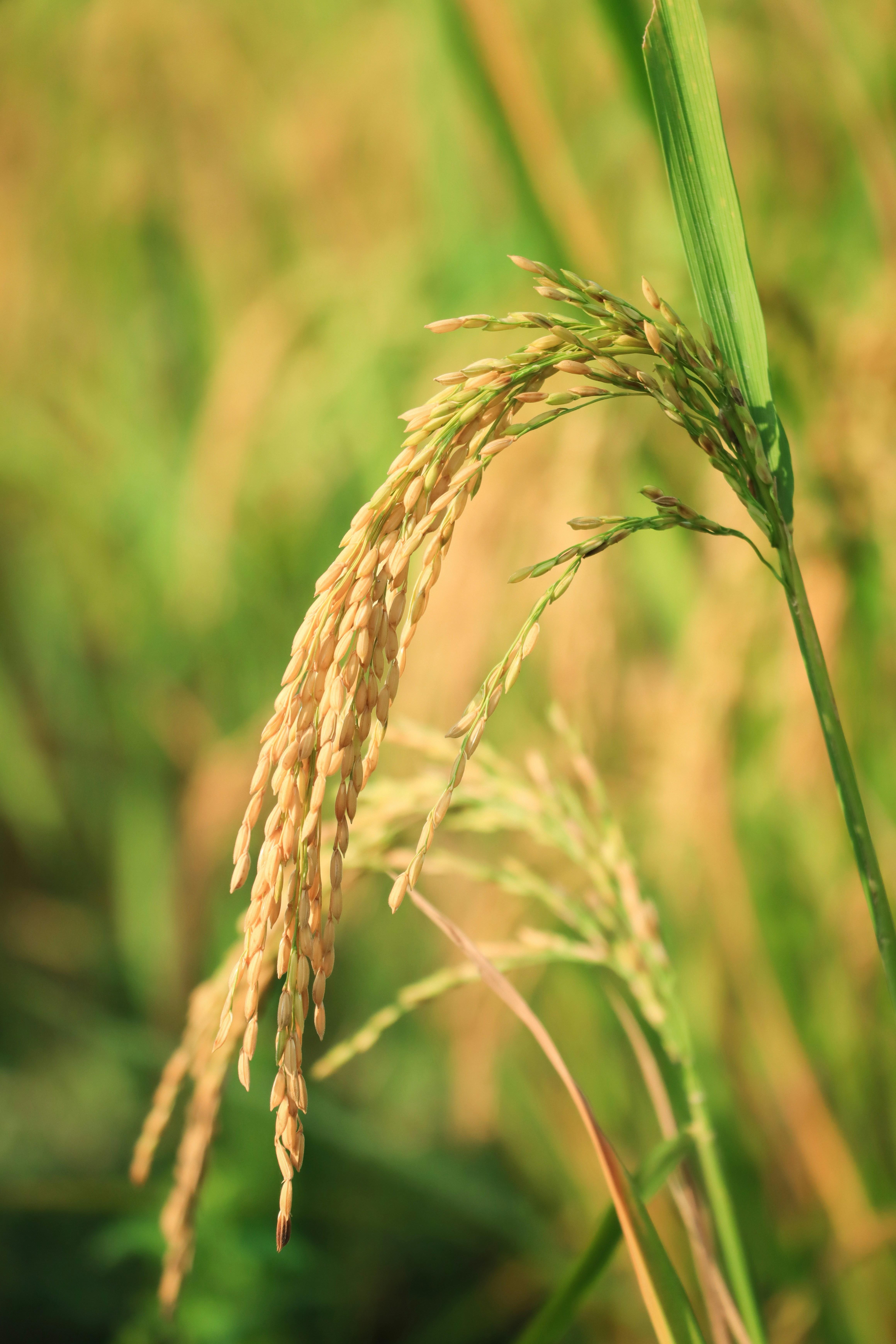
Processing paddy into rice is a meticulous endeavor that marries customary techniques with modern practices, transforming a humble grain into a staple food cherished worldwide. The journey begins with the careful selection of paddy, ensuring quality and sustainability. Once harvested,the paddy undergoes a series of stages,each crucial for maintaining its nutritional value and taste. The process involves:
- Drying: reducing moisture content to prevent spoilage.
- Cleaning: Removing impurities, such as stones and dust, to ensure purity.
- Hulling: Separating the rice grains from their hulls, marking a meaningful transformation.
The next phase involves the milling process, where the brown rice is polished to remove bran, enhancing its aesthetics and shelf life.However, it’s not just about removing layers; it’s about preserving the essence of the grain. The milling process must strike a balance between husk removal and maintaining the healthful nutrients found in the bran. A well-implemented milling stage also ensures minimal breakage of grains, contributing to the quality of the end product.
| Process Stage | Description |
|---|---|
| Drying | Prepares grains for storage. |
| Cleaning | Ensures quality and purity. |
| Hulling | Transforms paddy into brown rice. |
| Milling | Polishes and refines the final product. |

Key Techniques for Enhancing Grain Quality
To enhance grain quality, it is essential to focus on several fundamental techniques that contribute to the overall integrity and appeal of paddy. First, maintaining optimal moisture content during storage is crucial. Grain should ideally be kept at levels between 12% to 14% to minimize spoilage and prevent insect infestation.Additionally, employing proper cleaning methods prior to milling will ensure that only the highest quality paddy is processed, reducing impurities and enhancing final product appearance and taste. This can involve the use of screens, air suction, and gravity separation methods that effectively remove foreign materials.
Moreover, the milling process plays a pivotal role in defining grain quality. Utilizing advanced milling technology can greatly influence yield and reduce broken grains. Precision in temperature control during milling is also vital, as excessive heat can affect flavor and nutritional quality. Another significant aspect is the post-harvest management involving timely drying and proper storage techniques.Monitoring conditions such as humidity and temperature helps maintain quality during the crucial months after harvest, ensuring that the grain retains its essential attributes. A holistic approach that combines these techniques can significantly elevate the quality of paddy and its by-products.
Innovative Technologies Shaping Modern Processing
As the demand for high-quality rice continues to rise,modern processing techniques are evolving at an impressive pace. Innovations such as automated milling systems, sensor technology, and biotechnological advancements are transforming traditional paddy processing methods, enhancing efficiency and ensuring consistent quality. These technologies not only streamline production but also minimize waste, allowing processors to fully harness the potential of each grain. The integration of real-time monitoring systems enables millers to track moisture levels and grain quality, facilitating adjustments during processing to achieve optimal results.
Incorporating machine learning algorithms into the processing workflow allows for predictive analysis and quality assessment, streamlining operations and reducing human error. Features such as intelligent sorting systems utilize image processing technology to identify and separate defective grains, ensuring only the best quality rice reaches consumers. Furthermore,enduring practices like water-saving technologies and renewable energy sources are paving the way for an eco-amiable approach to processing,aligning with global goals towards sustainability. As these innovative solutions become more widely adopted, they signify a crucial shift in how the rice industry approaches quality and efficiency.
sustainable Practices for a Better Harvest
In the quest for high-quality paddy processing, embracing eco-friendly methods has become increasingly pivotal. Farmers can significantly enhance their yield while maintaining soil health by integrating practices such as crop rotation and cover cropping. These methods not only improve the nutrient profile of the fields but also prevent erosion and reduce the need for chemical fertilizers.Additionally, utilizing organic pest control methods contributes to a balanced ecosystem, encouraging beneficial insects and reducing pest populations naturally. Some popular organic interventions include:
- Biodiversity planting – Introducing a variety of plants to support local fauna.
- Companion planting – growing compatible crops together for mutual benefits.
- Natural insect repellents – Using plant-based sprays to deter pests without harsh chemicals.
Furthermore,water management plays a crucial role in sustainable paddy cultivation. Implementing drip irrigation and rainwater harvesting can help conserve water and improve efficiency. By optimizing water use, farmers can reduce costs while minimizing the ecological impact. A structured approach to water management can be outlined as follows:
| Technique | Benefits |
|---|---|
| Drip Irrigation | Reduces water wastage & improves crop yield consistency. |
| rainwater Harvesting | Provides an choice irrigation source & lowers costs. |
| Wetland Management | Preserves biodiversity & enhances water infiltration. |
Future Outlook
the journey from paddy to polished rice is a fascinating blend of art and science, where tradition meets innovation in the quest for quality. Each step of the processing not only preserves the nutritional value of this staple food but also enhances its appeal to consumers around the world. By understanding the intricate methods and technologies involved, we can appreciate the dedication and expertise required to transform paddy into a product that nourishes billions. as we move forward, the ongoing evolution in paddy processing holds the promise of even greater efficiency and sustainability, ensuring that quality remains at the heart of this essential agricultural practice. The next time you enjoy a bowl of rice,take a moment to reflect on the remarkable journey it has undertaken from the fields to your table,embodying the perfect harmony between nature’s bounty and human ingenuity.