
In the verdant fields where golden grains sway gently in the breeze, rice cultivation is often viewed as a simple, time-honored tradition. Yet, buried within this agricultural staple lies an intricate tale of transformation and innovation. From paddy fields to polished grains, the journey of rice is shaped significantly by processing plants—complex hubs of technology and craftsmanship that turn raw paddy into a culinary cornerstone enjoyed around the world. This article embarks on an exploration of paddy processing plants, revealing the multifaceted processes that breathe life into rice, the challenges faced by the industry, and the future of rice transformation in an ever-evolving culinary landscape. Join us as we unveil the behind-the-scenes workings of these vital facilities, shedding light on the artistry and efficiency that elevate a humble grain into a global staple.
Exploring the Initial Stages of Rice Processing
Every grain of rice begins its journey as a humble paddy, harvested by dedicated farmers under the wide-open sky. The initial stages of processing this staple food are crucial for transforming raw paddy into the pristine white rice that graces tables around the world. Post-harvest handling plays a pivotal role and involves several essential steps to ensure that the quality of the rice is preserved and enhanced. This phase includes:
- Drying: Reducing moisture content to prevent spoilage.
- Hulling: Removing the inedible outer husk to reveal the brown rice beneath.
- Cleaning: Eliminating impurities such as stones, dust, and leftover husks.
As paddy moves through these initial processing stages, careful attention is paid to maintaining quality and minimizing damage. The drying and hulling processes are particularly vital; excessive moisture can lead to mold growth, while improper hulling may produce broken grains. Technical sophistication in modern paddy processing plants has revolutionized these methods, utilizing advanced machinery for greater precision. For instance, the table below illustrates the typical moisture content at each stage of processing:
| Processing Stage | Ideal Moisture Content (%) |
|---|---|
| Harvested Paddy | 20-25 |
| Post-Drying | 12-14 |
| Hulled Brown Rice | 12-13 |
Innovative Technologies Revolutionizing Paddy Processing
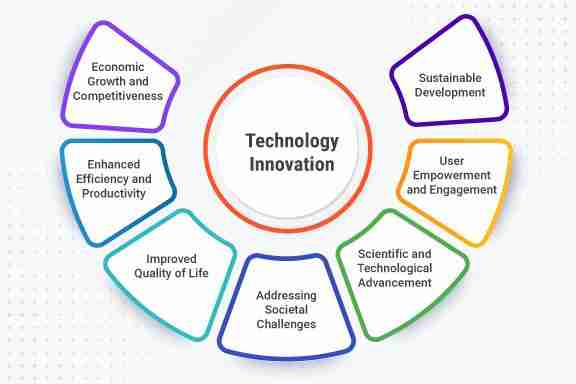
In the quest for higher efficiency and productivity in paddy processing, pioneering technologies are making waves across the industry. Automated milling systems, equipped with advanced sensors and algorithms, enhance precision in each stage of processing. These systems not only streamline operations but also significantly reduce waste, ensuring that more of the harvested crop is utilized effectively. Key innovations include:
- Smart Sorting Technologies: Utilizing AI and machine learning, these systems can distinguish between quality grains and impurities at remarkable speeds.
- Energy-Efficient Drying Solutions: Integrating renewable energy sources, these technologies minimize energy consumption during drying processes.
- Quality Control Automation: Real-time monitoring tools provide instant feedback on grain quality, ensuring adherence to market standards.
One particularly interesting development is the implementation of blockchain technology to enhance traceability in the supply chain. This innovation allows producers to track the journey of rice from paddy fields to consumers’ tables, thereby reinforcing trust in food safety and quality. Furthermore, engaging in precision agriculture techniques, operators can utilize geographical data to optimize planting and harvesting schedules, thereby maximizing yield. The table below highlights the impact of these advancements on traditional processing methods:
| Traditional Methods | Innovative Technologies |
|---|---|
| Manual sorting | AI-driven smart sorting |
| High energy consumption in drying | Energy-efficient renewable drying |
| Limited traceability | Blockchain for complete traceability |
Sustainability Practices for Modern Rice Mills
Modern rice mills are embracing a range of sustainability practices that not only enhance operational efficiency but also contribute positively to the environment. By implementing energy-efficient technologies, such as solar panels and biomass energy systems, these facilities can significantly reduce their carbon footprint. Additionally, waste management strategies play a crucial role, with many mills converting byproducts like husks and bran into valuable resources, including animal feed and biofuels. This holistic approach promotes a circular economy, ensuring that every component of the rice production process is utilized.
Furthermore, water management and conservation practices are becoming integral to modern rice milling. Mills are focusing on techniques such as rainwater harvesting and employing closed-loop water systems to minimize water usage and prevent pollution. Regular audits and sustainability assessments also help identify areas for improvement, leading to a culture of continuous enhancement in resource management. The adoption of organic farming practices within supply chains further supports these efforts by ensuring that rice is cultivated without harmful chemicals, promoting biodiversity and ecological balance.
The Future of Rice Production: Enhancing Quality and Efficiency
The landscape of rice production is evolving, driven by innovations that prioritize both quality and efficiency. As we embrace technological advances, modern paddy processing plants are transforming raw grains into high-quality products. By employing state-of-the-art machinery and methods, these facilities enhance the overall yield while maintaining nutritional integrity. Some of the innovative processes include:
- Precision Milling: Utilizing sensors and AI-driven systems to optimize grain polishing without compromising the nutritional profile.
- Water Efficiency: Implementing advanced water recycling techniques to reduce waste and improve sustainability.
- Smart Storage Solutions: Incorporating IoT technology for real-time monitoring of storage conditions, reducing spoilage and maintaining quality.
Moreover, the emphasis on sustainability is more pronounced in the journey of rice production. With climate challenges and increasing demand, it’s imperative for producers to adopt practices that mitigate environmental impacts. A comparison of traditional versus modern processing methods highlights the clear benefits of innovation:
| Aspect | Traditional Methods | Modern Techniques |
|---|---|---|
| Water Usage | High | Optimized |
| Energy Consumption | Higher | Reduced |
| Processing Time | Long | Shortened |
Through these advancements, the role of paddy processing plants becomes vital in ensuring that rice production is not only efficient but also aligns with the growing global demand for high-quality, sustainable food sources.
Closing Remarks
As we conclude our exploration of the intricate journey from paddy to processed rice, it’s clear that the transformation of this staple grain is a remarkable feat of agricultural ingenuity and technological advancement. From the lush fields where rice seedlings are nurtured to the bustling processing plants where grains are polished and packaged, each stage plays a vital role in delivering this essential food to our tables.
The journey of paddy processing is not merely a tale of machinery and methods; it is a narrative of sustaining communities, supporting economies, and nurturing traditions that span centuries. As we look to the future, the continued evolution of processing techniques holds the promise of enhanced efficiency and sustainability, ensuring that rice remains a cornerstone of global cuisine and nutrition.
In understanding this process, we gain not only an appreciation for rice as a dietary staple, but also for the dedicated farmers, workers, and innovators who contribute to its journey. The story of rice is a reflection of our interconnected world, reminding us that even the simplest grains carry the weight of cultural heritage and human perseverance. As we part ways, let us celebrate the myriad flavors and cuisines that rice enriches while recognizing the intricate path it travels from field to fork.




