
Stepping into the heart of a bustling paddy processing factory is like entering a symphony of precision and efficiency. Amidst the whirring of machinery and the rhythmic clattering of grains, one can witness the intricate dance of transformation that turns harvested paddy into polished grains ready for consumption. Join us on a behind-the-scenes tour as we explore the artistry and technology behind the fascinating world of paddy processing.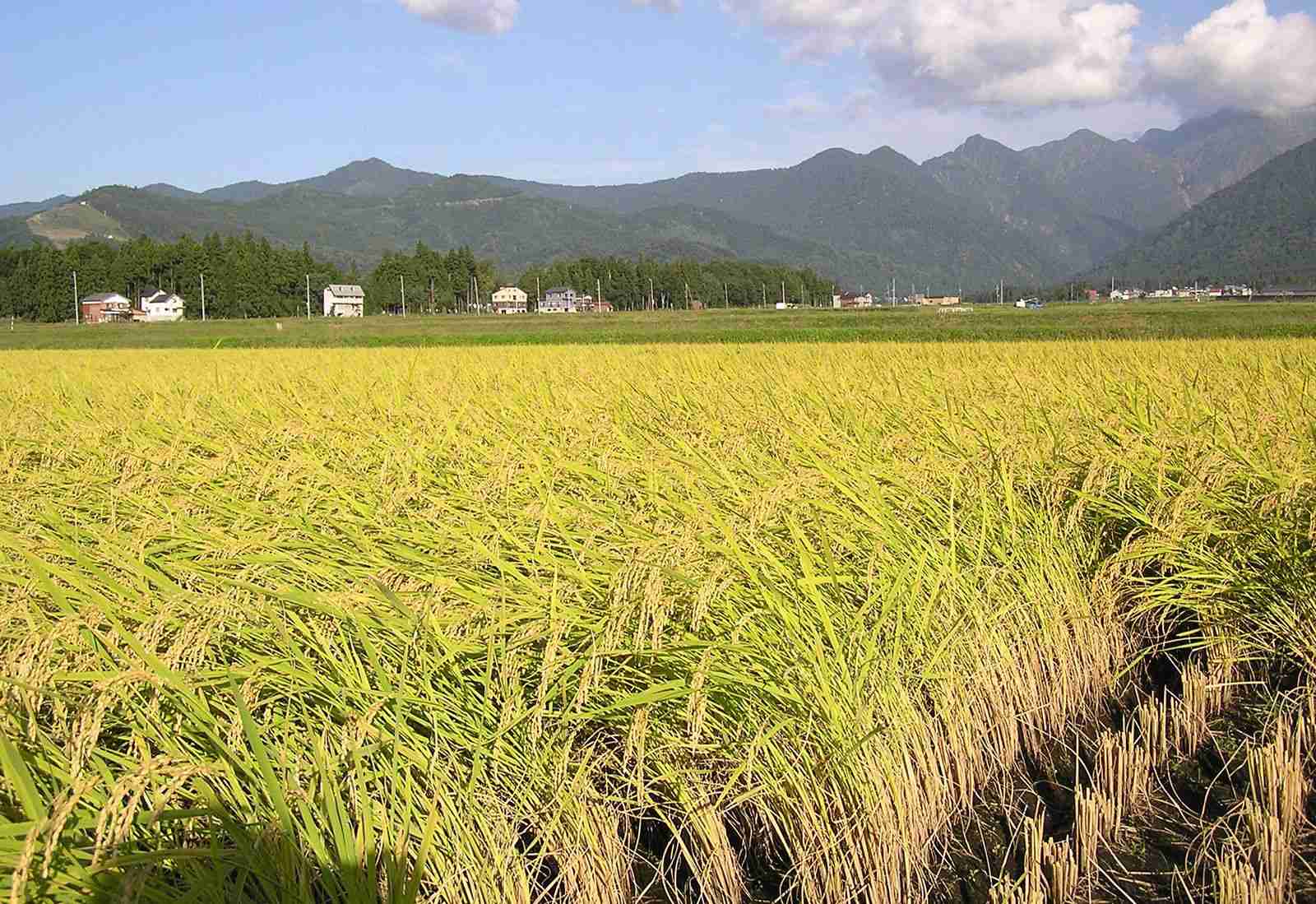
Exploring the Intricate Process of Paddy Processing
Entering a paddy processing factory is like stepping into a world of precision and skill. The air is filled with the earthy aroma of freshly harvested rice, while the sound of machinery hums in the background. Workers move with practiced efficiency, each step in the process meticulously executed to ensure the highest quality end product.
From the initial cleaning and dehusking of the raw paddy to the final polishing and packaging of the rice grains, every stage requires careful attention to detail. Workers carefully monitor the moisture levels, temperatures, and processing times to achieve the perfect balance of texture, aroma, and flavor. It’s a delicate dance of science and art, where each decision can impact the final product. The end result is a staple food that has been transformed from humble grains into a culinary essential enjoyed by millions around the world.

Innovative Technologies Revolutionizing Paddy Processing Techniques
In the heart of a bustling paddy processing factory, cutting-edge technologies are transforming the way rice is harvested and processed. One of the most innovative techniques that has revolutionized the industry is the use of robotic arms equipped with advanced sensors to quickly and efficiently separate grains from the husk. These robots work tirelessly, ensuring a higher quality end product while reducing the need for manual labor.
Additionally, the introduction of machine learning algorithms has enabled real-time monitoring of the entire processing line, allowing for immediate adjustments to be made in case of any deviations. This level of automation not only streamlines the production process but also significantly improves overall efficiency and output. With the integration of **state-of-the-art sorting machines** and **automated packaging systems**, paddy processing factories are now able to meet the increasing demands of the market with precision and consistency.

Optimizing Efficiency and Quality in Paddy Processing Operations
When stepping inside a paddy processing factory, one can witness the intricate dance of machinery and human expertise working in harmony to optimize efficiency and quality. The air is filled with the earthy scent of grains being milled and the sound of whirring machines processing the precious paddy. Every step of the process is meticulously designed to ensure the highest standards are met, from the cleaning and milling to the polishing and packaging.
Workers move with precision and speed, carefully monitoring the machines and making adjustments as needed to maintain optimal performance. The art of paddy processing lies in the balance between technology and human skill, with each playing a crucial role in achieving the desired results. Quality control measures are implemented at every stage, ensuring that only the finest grains make it through the rigorous processing. The end result is a product that not only meets but exceeds expectations, setting a new standard for excellence in paddy processing operations.
Tips for Maximizing Yield and Quality in Paddy Processing
When it comes to maximizing yield and quality in paddy processing, there are several key tips that can make a big difference in the final product. Utilizing the right machinery and equipment is essential for efficient processing. Investing in high-quality milling machines and sorting equipment can help ensure that each grain is processed properly, resulting in a higher yield and better quality rice.
Another important aspect to consider is proper storage and drying techniques. Storing paddy in optimal conditions, such as in a controlled environment with proper ventilation, can help prevent mold and moisture buildup. Additionally, implementing effective drying methods, such as using a continuous flow dryer or sun drying, can help maintain the quality of the rice and prevent any spoilage. By following these tips and implementing best practices, paddy processing factories can achieve maximum yield and quality in their final product.
In Conclusion
As we conclude our behind-the-scenes tour of a paddy processing factory, we hope you have gained a newfound appreciation for the intricate artistry involved in transforming raw rice into the staple food we enjoy every day. The meticulous care and precision that goes into each step of the process truly exemplifies the dedication and skill of the workers in this industry. Next time you sit down to a meal of perfectly cooked rice, remember the craftsmanship that went into bringing it to your plate. Until next time, happy eating!




