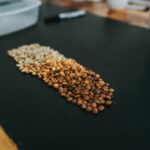
In the heart of rural communities around the world, a timeless practice unfolds in rhythmic harmony – the art of paddy processing. From the swaying fields of Asia to the expansive plantations of Africa, this age-old tradition weaves together science, skill, and culture to transform humble grains into culinary treasures. Join us on a journey through the intricate world of paddy processing, where every step is a dance of precision and tradition.
Understanding the Importance of Proper Paddy Processing
Paddy processing is a crucial step in ensuring the quality of rice for consumption. By properly processing paddy, we not only improve the taste and texture of the rice but also ensure that it is safe for consumption. This involves various steps that must be done correctly to achieve the desired results.
One of the key aspects of paddy processing is proper drying and storage. By drying the paddy properly, we prevent mold growth and ensure that the rice grains do not spoil. Additionally, storing the processed paddy in a clean and dry environment helps maintain its quality and prevents contamination. By following these steps, we can ensure that the rice produced is of the highest quality and safe for consumption.

Exploring the Traditional Techniques of Paddy Processing
Witnessing the age-old techniques of paddy processing is like stepping back in time, a journey into the heart of tradition and culture. From hand-pounding rice to sun-drying grains, every step in the process is a labor of love and precision. Generations of knowledge and skill are passed down in these methods, creating a connection to the land and a respect for the bounty it provides.
As the grains are separated from the chaff through winnowing, the rhythmic movements of the farmers create a symphony of sounds that resonate through the fields. The smell of freshly harvested rice fills the air, a reminder of the hard work and dedication that goes into each grain. Each technique, from soaking to parboiling, carries with it a rich history and a deep understanding of the complexities of the paddy.

Maximizing Efficiency and Quality in Paddy Processing
When it comes to paddy processing, efficiency and quality are key factors that can make or break the success of a processing plant. By streamlining operations and ensuring top-notch quality control measures, processors can achieve higher yields and better quality output. One way to maximize efficiency is to invest in modern machinery and technology that can handle large volumes of paddy with precision and speed. This includes state-of-the-art grain dryers, milling machines, and sorting equipment.
Quality control is equally important in paddy processing. Implementing strict quality standards and regular inspections can help identify and eliminate defective grains, ensuring that only the best quality rice makes it to the market. Additionally, proper storage and handling of paddy before and after processing is crucial in maintaining the quality of the final product. By focusing on both efficiency and quality, processors can optimize their operations and deliver superior rice products to consumers.
Innovative Approaches for Sustainable Paddy Processing
One of the most intriguing aspects of sustainable paddy processing is the utilization of innovative techniques that not only improve efficiency but also minimize waste. By harnessing cutting-edge technologies and eco-friendly practices, farmers and processors can optimize their operations while reducing their environmental impact.
From advanced machinery that streamlines the milling process to bio-fertilizers that enrich the soil naturally, the art of paddy processing is constantly evolving. Embracing these creative approaches not only ensures a higher quality product but also contributes to the long-term sustainability of rice production. Through ingenuity and forward thinking, the future of paddy processing looks brighter than ever.
The Way Forward
As we conclude our journey into the fascinating world of paddy processing, we have come to appreciate the intricate artistry behind the transformation of raw grains into a staple food that sustains millions of people around the world. From traditional methods passed down through generations to cutting-edge technology that streamlines the process, the art of paddy processing continues to evolve and adapt to meet the demands of a growing global population. Whether you are a farmer, a consumer, or simply a curious observer, we hope this article has shed light on the craftsmanship and expertise that goes into each grain of rice on your plate. Remember, the next time you enjoy a bowl of rice, savor not just the flavor, but the artistry that brought it to your table.