Paddy Processing
The paddy processing of raw paddy rice involves several key steps. Initially, the harvested raw paddy rice undergoes pre-cleaning and cleaning to remove large, medium, and small impurities and stones. It then enters the hulling process where the husk is removed from the paddy, resulting in mostly brown rice and some unhusked paddy. Following this, the mixture enters the separation process, where the hulled brown rice is separated from the unhulled paddy. The unhulled paddy are then lifted back into the hulling machine for a second dehusking process, while the hulled brown rice moves on to the next step, the Rice Processing step.

Inside the Paddy Processing Factory: From Grain to Greatness
In the heart of the paddy processing factory, grains transform into culinary treasures. From the rhythmic hum of machines to the aroma of freshly milled rice, every step showcases precision and care, turning humble grains into greatness.
Transforming Grain: The Journey of a Paddy Processing Factory
In the heart of the countryside, a paddy processing factory stands as a beacon of transformation. From golden fields to gleaming grains, it encapsulates the journey of grain—melding tradition with innovation, ensuring nourishment for generations to come.
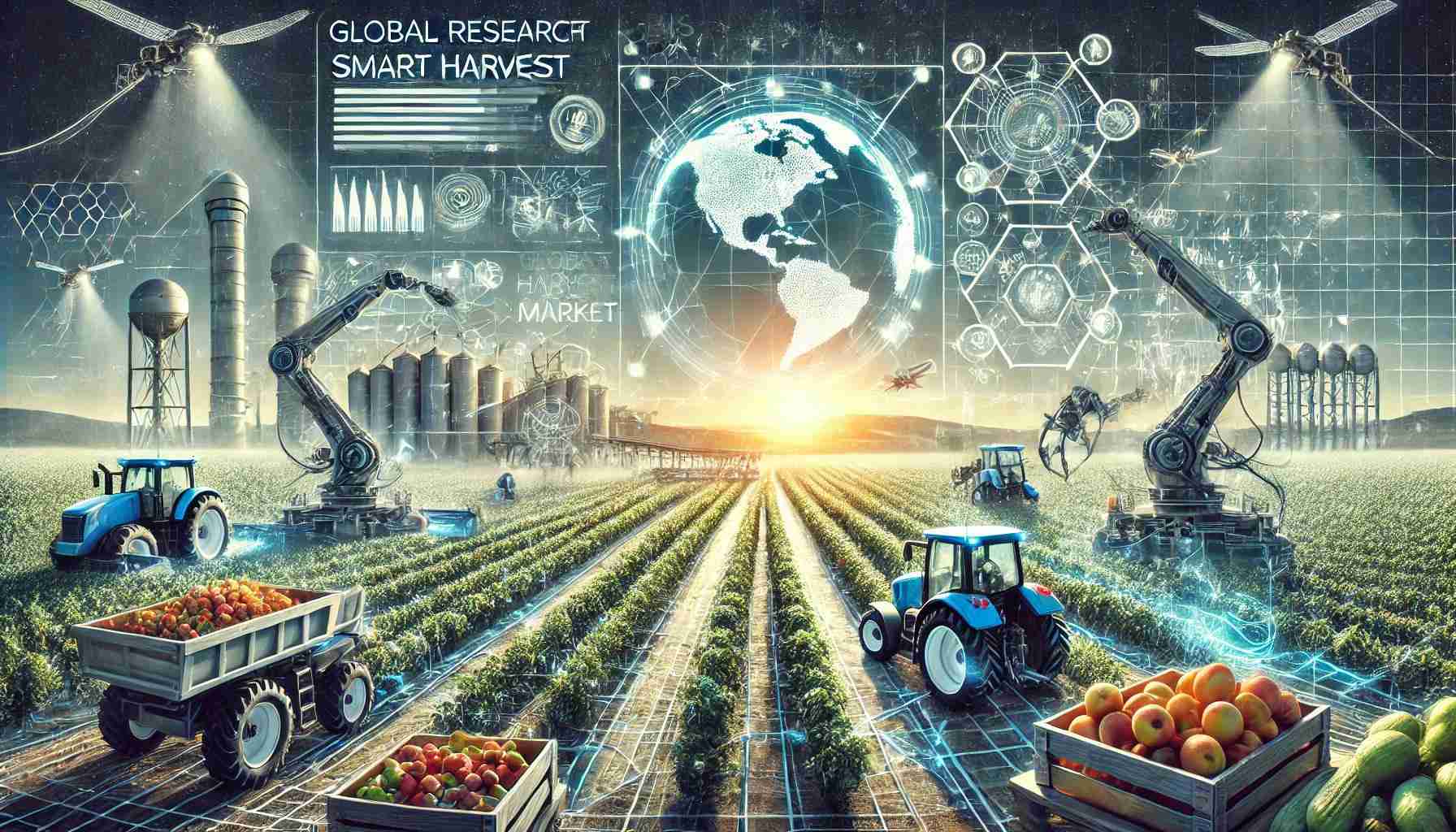
Transforming Harvests: The Journey of Paddy Processing Units
In the heart of bustling rice fields, paddy processing units are revolutionizing harvests. These modern facilities transform harvested grains into fragrant rice, bridging tradition and innovation while ensuring sustainable practices for future generations.

Transforming Grains: The Journey Through a Paddy Processing Plant
In the heart of the countryside, a paddy processing plant hums with life. Here, golden grains journey from harvest to polished rice, each step revealing the delicate dance of nature and technology, transforming raw simplicity into culinary treasure.
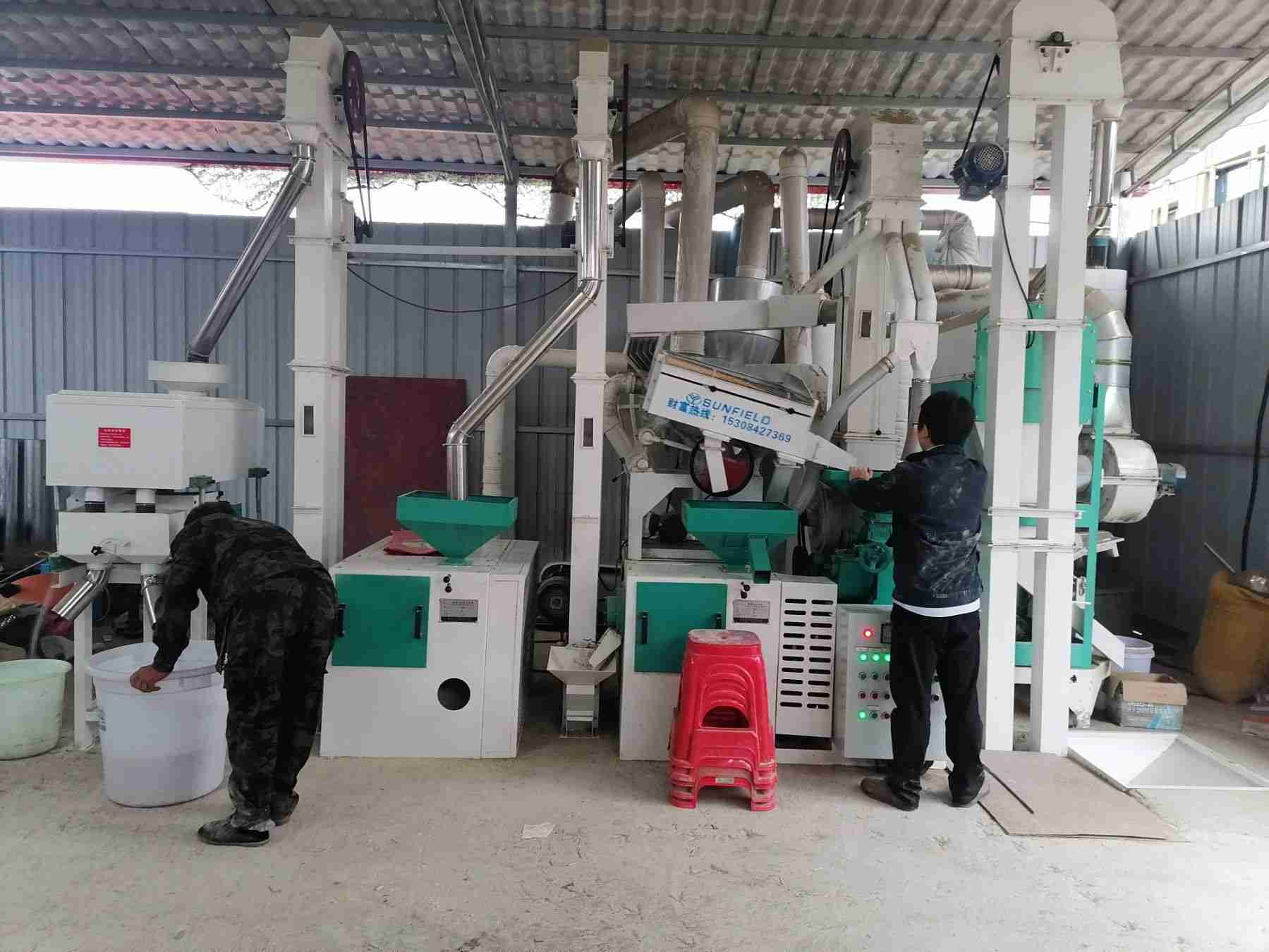
Paddy Processing Units: Innovating Rice Production Efficiency
Paddy Processing Units are revolutionizing rice production by integrating advanced technology and sustainable practices. By streamlining operations and enhancing efficiency, these units not only boost yield but also support economic growth in rural communities.

Transforming Rice: The Essential Role of Paddy Processing Units
Paddy processing units serve as the silent artisans of agriculture, transforming harvested rice into polished grains ready for the market. Their pivotal role not only enhances quality but also boosts economic opportunities for farmers and communities alike.

Transforming Harvest: The Essential Role of Paddy Processing Units
In the heart of agrarian landscapes, paddy processing units stand as vital hubs, transforming raw grain into culinary staples. By enhancing quality and sustainability, these facilities not only boost local economies but also safeguard food security for future generations.
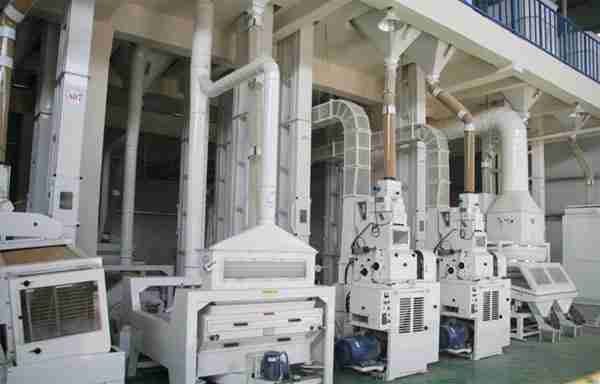
Revolutionizing Harvest: The Future of Paddy Processing Machines
In the quest for sustainability, the future of paddy processing machines is set to transform agriculture. Innovations like AI-driven automation and energy-efficient designs promise to enhance yield, reduce waste, and empower farmers in their harvest endeavors.

From Field to Table: The Art of Paddy Processing Explained
From field to table, the journey of paddy processing is a delicate dance between nature and innovation. Each step, from harvesting to milling, transforms golden grains into the rice we savor, highlighting the intricate artistry behind this staple food.

Revolutionizing Rice: The Impact of Paddy Processing Machines
In the heart of agriculture, paddy processing machines are transforming rice production. By streamlining operations, these innovations enhance efficiency and quality, promising a future where rice is not just harvested but revolutionized, feeding the world more sustainably.