
Step inside the fascinating world of rice processing, where the mundane paddy transforms into a culinary masterpiece. Join us as we explore the intricate workings of a rice mill, unraveling the secrets behind the journey from paddy to perfection. In this article, we will delve into the machinery, techniques, and expertise that go into producing the staple food that feeds millions across the globe. Prepare to be amazed as we take you on a behind-the-scenes tour of the rice mill and discover the magic that happens within its walls.
Unveiling the Rice Milling Process
The process of rice milling involves multiple steps to transform raw paddy into the white grains we see on our plates. At the heart of this process is the rice mill, where the magic happens. Let’s take a closer look inside the rice mill to uncover the journey from paddy to perfection.
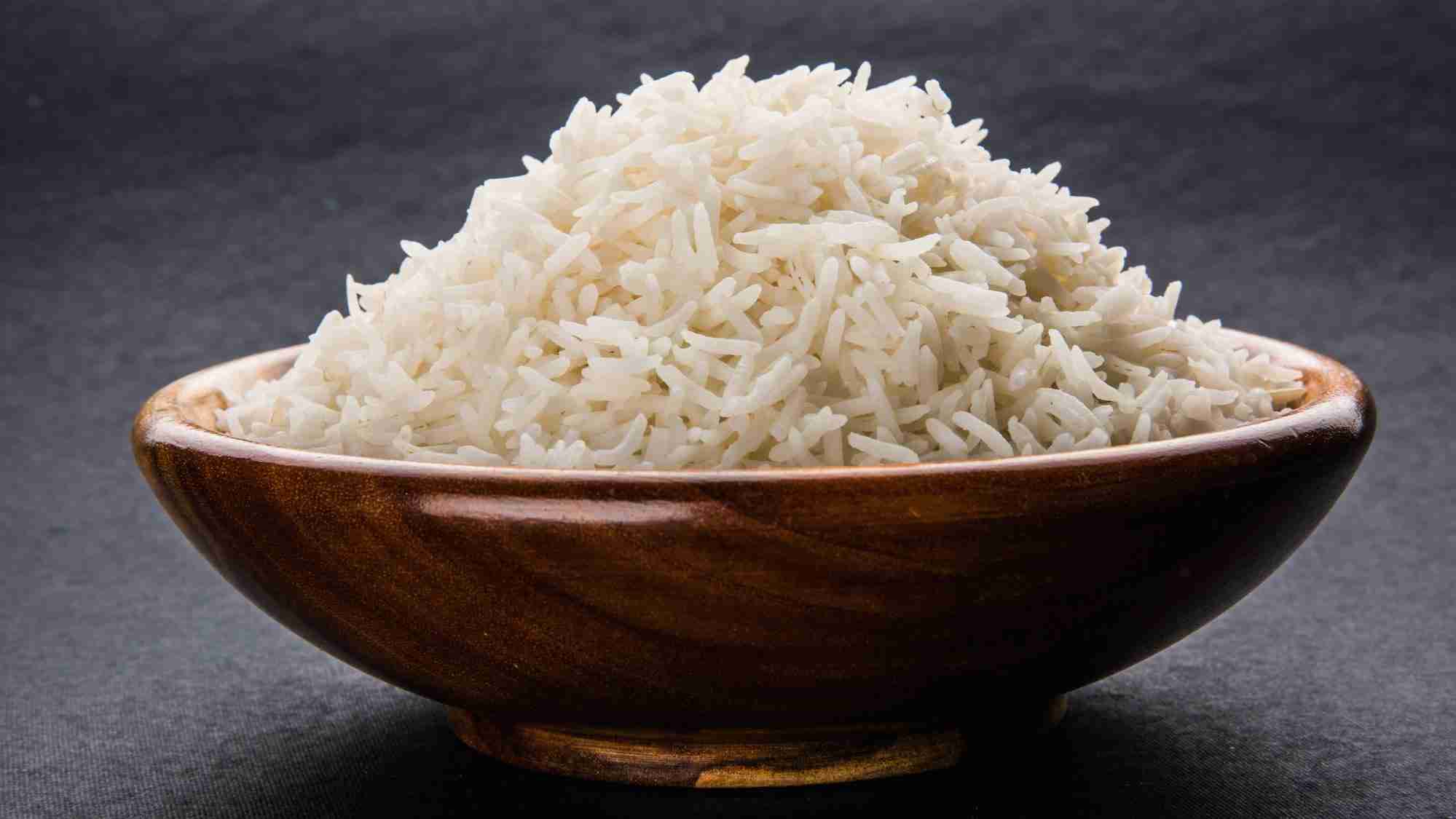
First, the harvested paddy is cleaned to remove any impurities like dust, stones, and husks. Next, the paddy undergoes the milling process where the outer husk is removed to reveal the brown rice. The brown rice then goes through further polishing to remove the bran layers, resulting in the white rice we all know and love. Each step in the rice milling process is crucial in achieving the desired quality and texture of the final product.
Optimizing Efficiency in Rice Production
Rice production is a complex process that involves various stages, from planting to harvesting. One crucial step in this process is the milling of rice, where the paddy rice is transformed into polished grains ready for consumption. In order to optimize efficiency in rice production, it is important to understand the inner workings of a rice mill.
Inside a rice mill, the paddy rice undergoes several processes to remove the husk and bran layers and produce polished rice. Some key components of a rice mill include the paddy separator, rice whitener, and rice grader. These machines work together to ensure that the rice grains are processed efficiently and accurately. By investing in modern milling equipment and implementing best practices, rice producers can strive for perfection in their production process, resulting in high-quality rice products that meet consumer demands.
Ensuring Quality Control Measures
Introduction
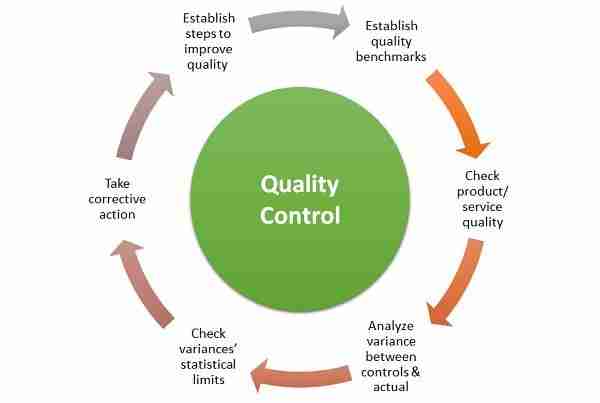
At our rice mill, we take quality control measures very seriously to ensure that every grain of rice that leaves our facility is of the highest standard. From the moment the paddy arrives to when the finished product is packaged and ready for distribution, we have strict protocols in place to guarantee quality at every step of the process.
Quality Control Measures
One of the key measures we implement is regular inspection and maintenance of our milling equipment. Our state-of-the-art machines undergo routine checks to ensure they are operating at peak efficiency, which helps us achieve consistent quality in every batch of rice produced. In addition, our team of skilled technicians is trained to identify any issues that may arise during the milling process and address them promptly to prevent any compromise in the quality of the final product. Furthermore, we conduct regular sampling and testing of the rice at various stages of processing to monitor factors such as moisture content, milling yield, and grain quality. This helps us identify and rectify any deviations from our quality standards quickly and effectively. Our commitment to quality control measures is evident in the exceptional taste and texture of our rice, making it a favorite among consumers both locally and internationally.
Maximizing Sustainability in Rice Mill Operations
In the heart of our rice mill operations lies a commitment to sustainability that goes beyond just producing high-quality rice. From the moment the paddy enters our mill to the final packaging of the polished grains, every step is carefully designed to minimize waste and reduce our environmental footprint.
One of the key ways we maximize sustainability in our operations is through water usage. We have invested in state-of-the-art water recycling systems that ensure every drop is used efficiently throughout the milling process. By reusing water multiple times, we are able to significantly reduce our overall water consumption and lower our impact on the environment. Additionally, our energy-efficient machinery and solar panels help us minimize our carbon footprint, making our rice mill a model of eco-friendly production.
Closing Remarks
As we conclude our journey through the rice mill, we hope you have gained a new appreciation for the meticulous process that transforms humble paddy into the perfectly polished grains we all know and love. The rhythmic hum of the machinery, the skillful hands of the workers, and the centuries-old traditions all come together to create the magic that is rice milling. So, the next time you enjoy a plate of fluffy rice, remember the dedication and expertise that went into its creation. Until next time, may your rice always be paddy to perfection.




