
In the heart of the countryside, where emerald fields stretch endlessly under the sun, lies a hidden realm of transformation: the paddy processing factory. Here, the journey of rice—one of the world’s most vital staples—begins its metamorphosis from golden grains swaying gently in the breeze to the fine flour that graces tables globally. This article invites you to step inside the bustling hub of innovation and tradition, where each machine hums with purpose and skilled hands dance between the stages of processing. Delve into the intricate processes that turn nature’s bounty into a versatile ingredient, exploring the delicate balance of technology and time-honored methods that breathe life into every bag of flour. Join us on this insightful expedition from the fertile fields to the final product, revealing the magic and meticulous care behind a staple that nourishes millions.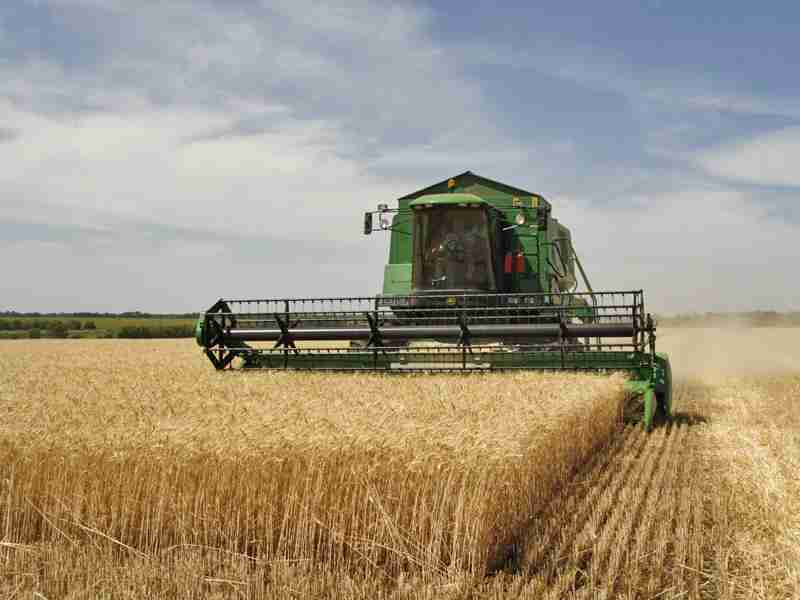
Understanding the Harvest: The Journey of Paddy from Field to Factory
The journey of paddy transforms significantly as it moves from lush green fields to the meticulous environment of processing factories. Farmers tend to paddy fields with dedication, ensuring optimal growth through careful water management, soil quality assessment, and precise harvesting timing. Once the paddy reaches maturity, it is harvested, often done by hand or modern machinery, depending on the scale of operation. The freshly harvested paddy is then transported to processing plants, where it undergoes several crucial steps:
- Drying: Essential for reducing moisture content.
- Cleaning: Removal of impurities such as stones and dust.
- Milling: Where rice grains are polished and husked.
- Grading: Sorting rice into various quality categories.
In the processing factory, technology plays a vital role in ensuring efficiency and consistency. After drying, the paddy is fed into automatic cleaning machines that eliminate foreign materials. Milling is where the transformation really happens; the paddy is subjected to different machinery that works at precise measurements, ensuring maximized yield and the highest quality rice. The final output, a variety of rice types, is then sorted into specific grades, often displayed in neatly organized packaging. Here’s a simplified breakdown of the final products:
| Type of Rice | Description |
|---|---|
| White Rice | Highly polished, popular for cooking. |
| Brown Rice | Whole grain, retains bran layer, nutritious. |
| Steam Rice | Treated with steam for better texture. |
Innovative Techniques in Milling: Transforming Paddy into High-Quality Flour
The transformation of paddy into high-quality flour has evolved significantly with the integration of advanced milling techniques. Today, modern milling processes utilize a range of innovative technologies that not only enhance efficiency but also improve the nutritional profile of flour. Key techniques include:
- Precision Milling: Employing precision equipment that ensures optimal husk and bran removal while preserving the nutrient-rich endosperm.
- Air Classification: Utilizing air streams to separate particles based on size and density, resulting in a finer, purer flour with minimal contaminants.
- Stone Milling: Bringing back the traditional method but enhancing it with modern machinery that provides a gentle grind, retaining more of the grain’s natural flavor and nutrients.
To better understand the impact of these techniques, we can look at a comparative analysis of traditional versus modern milling outcomes:
| Aspect | Traditional Milling | Modern Milling |
|---|---|---|
| Nutrient Retention | Moderate | High |
| Flour Texture | Coarse | Fine |
| Production Speed | Low | High |
| Energy Consumption | High | Lower |
These advancements culminate in a product that meets the demands of modern consumers for flour that is not only versatile but also rich in flavor and nutrition. By continuously refining these milling techniques, producers are able to ensure that every grain of paddy is transformed into the highest quality flour, ready to be used in kitchens around the world.
Quality Control in Processing: Ensuring Food Safety and Standards
In the heart of the paddy processing factory, quality control is paramount to guarantee that every grain that makes it from the fields transforms into flour that meets rigorous safety and quality standards. This multi-layered process deploys both technology and skilled human oversight to monitor the raw material right from its entrance to the final packaging stage. At the inception, paddy undergoes a thorough inspection to assess quality attributes such as moisture content, foreign matter, and any signs of pest infestation. This initial check is crucial for establishing a baseline that ensures only the finest grains are selected for milling.
Throughout the processing stages, a series of checks, including visual inspections, laboratory analyses, and real-time monitoring, help enforce strict adherence to industry regulations. The factory utilizes advanced technology like automated sensors and sorting machines to detect irregularities, but the human touch cannot be overlooked. Quality control personnel are ever-vigilant, conducting spot checks and final assessments of the product before it goes to market. To illustrate the essential components of quality control, consider the following table showcasing key practices in the process:
| Process Stage | Quality Control Check |
|---|---|
| Receiving | Moisture content & pest inspection |
| Hulling | Kernel integrity checks |
| Milling | Particle size analysis |
| Packaging | Seal integrity & shelf-life checks |
Sustainability Practices: Reducing Environmental Impact in Paddy Production
In the world of paddy production, integrating sustainable practices has become essential in minimizing environmental impact. Innovations in agricultural techniques, such as direct seeding and alternate wetting and drying (AWD), have proven effective in conserving water and reducing methane emissions. Implementing these practices helps to alleviate the strain on freshwater resources while promoting healthier soil ecosystems. Additionally, the use of organic fertilizers and natural pest control methods can significantly lower the reliance on harmful chemicals, nurturing biodiversity and fostering ecological balance.
Another crucial aspect of sustainability lies within the processing phase. In modern paddy processing factories, energy-efficient machinery and biodegradable materials contribute to a greener footprint. Processes are designed to minimize waste, with byproducts like husks and bran being repurposed for livestock feed and biofuel production. To further enhance sustainability, factories are increasingly adopting renewable energy sources, such as solar and wind power, to meet their operational needs, thus reducing their carbon footprint and reliance on fossil fuels. Below is a brief overview of some of these sustainable practices:
| Sustainable Practice | Description |
|---|---|
| Direct Seeding | Involves sowing seeds directly into the field, minimizing land preparation and water use. |
| Alternate Wetting and Drying (AWD) | A water-saving irrigation method that reduces methane emissions during growth. |
| Organic Fertilizers | Utilizes natural materials to improve soil health without chemical implications. |
| Energy-efficient Machinery | Investing in equipment that uses less energy during processing operations. |
| Renewable Energy | Harnessing solar and wind power to operate processing facilities sustainably. |
Key Takeaways
As the sun sets over the vibrant green fields that cradle the paddy, the journey from seed to flour continues behind the quiet façade of the processing factory. Here, the dance of machinery blends with the age-old traditions of rice cultivation, transforming golden grains into the versatile flour that graces our kitchens. From the meticulous harvesting to the rigorous milling and quality control, every step is a testament to the dedication and innovation of those within the trade.
As we reflect on the intricate processes and the labor that underpins this staple food, it’s clear that the story of rice flour is not merely one of production; it is a narrative woven from the threads of culture, history, and advancement. The next time you sprinkle rice flour into your favorite recipe, remember the journey it undertook—from field to factory, culminating in that treasured moment of culinary creation. After all, every grain tells a story, and every meal connects us back to the land that sustains us.




