
In the heart of the countryside, where golden fields sway gently in the breeze, rice begins its journey from field to table. The paddy processing factory stands as both a gateway and a guardian of this transformation, where every grain is meticulously crafted into the staple that nourishes millions. Amid the rhythmic hum of machinery and the scent of freshly milled rice, this article takes you behind the scenes of the paddy processing factory. Join us as we explore the intricate processes, the dedicated hands at work, and the technology that plays an unseen yet vital role in bringing this essential food from farm to fork. Discover the delicate balance of tradition and innovation that shapes the rice industry and the stories woven into each bowl of this beloved grain.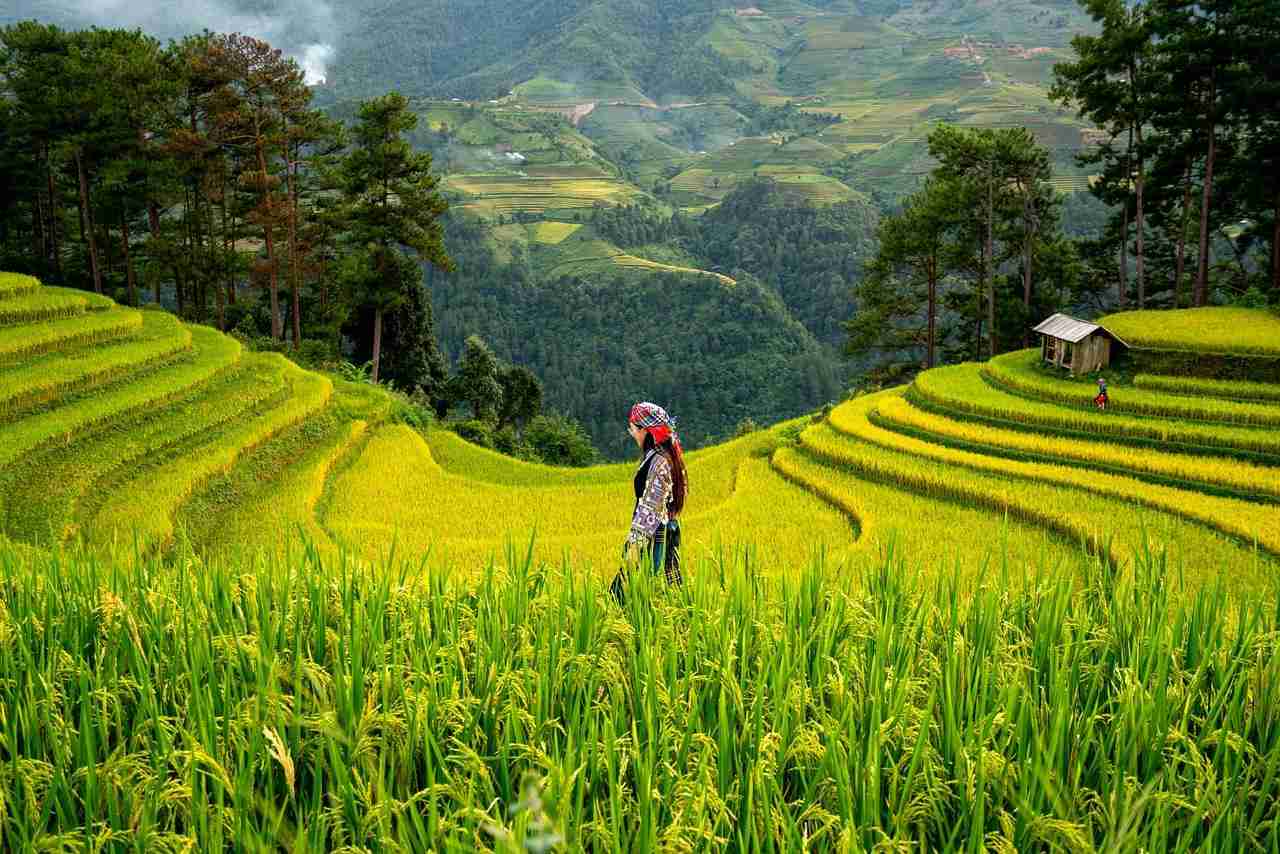
Understanding the Journey of Paddy: Cultivation to Harvest
As the sun rises over the lush green fields, the journey of paddy begins its transformative path from the fertile soil to the table. Cultivation starts with meticulous preparation of the land, loosening the soil and ensuring it can hold the water essential for healthy rice plants. Farmers select high-quality seeds, often indigenous varieties that thrive in local conditions, before planting them either through direct seeding or transplantation. Key steps in this stage include:
- Water Management: Maintaining the right level of water is crucial for paddy; it is typically flooded during the initial growth stages.
- Weed Control: Regular monitoring and manual or mechanical weeding ensure that the young plants receive the nutrients they need.
- Pest Management: Integrated pest management practices are employed to protect rice from harmful insects and diseases without relying solely on chemicals.
Harvesting paddy is an art that requires skill and timing to achieve optimal results. The plants are typically harvested when the grains have reached the right maturity, indicating a golden hue. After cutting down the stalks, the paddy undergoes several processing steps before it can be enjoyed as food. The processing stages can be encapsulated as follows:
| Processing Stage | Description |
|---|---|
| Drying | The harvested paddy is dried to reduce moisture content and prevent spoilage. |
| Milling | Paddy is milled to separate the rice grains from the husk, resulting in brown rice. |
| Polishing | This stage enhances the appearance and texture of the rice, producing white rice. |
| Packaging | The processed rice is packaged for distribution, ensuring it remains fresh and market-ready. |

Unveiling the Processing Techniques: Transforming Milestones in Paddy Factories
The journey of paddy from the lush green fields to our dining tables involves a series of meticulous processing techniques aimed at enhancing quality and flavor. The transformation begins right after harvest, as freshly cut paddy is transported to the factory, where it undergoes several critical stages. Initially, the paddy is thoroughly cleaned to remove impurities such as dirt, stones, and unwanted grains. Following this, the rice is subjected to dehusking, a process that separates the rice from its outer husk. This is typically achieved through the use of specialized machines, which harness both mechanical force and gentle abrasion to ensure minimal breakage of the delicate grains.
As the processing continues, the rice undergoes milling, where it is polished to achieve a bright, appealing finish. This step also involves the removal of bran layers that can impact flavor and shelf life. Factories often utilize state-of-the-art equipment to optimize these processes, incorporating technology that adjusts parameters for the highest efficiency. Additionally, quality control measures are implemented throughout the stages to guarantee consistency. Some factories adopt enhanced methods which include:
- Optical Sorters for identifying and discarding defective grains.
- Steam Treatment to improve nutritional value.
- Packaging Automation, ensuring hygiene and extending shelf life.
| Stage | Description | Key Equipment |
|---|---|---|
| Cleaning | Removal of impurities | Vibrating Screens |
| Dehusking | Separation from husk | Dehusker Machines |
| Milling | Polishing and refining | Milling Machines |
Ensuring Quality and Sustainability: Eco-Friendly Practices in Rice Production
In contemporary rice production, the emphasis on eco-friendly practices is reshaping the industry. At the heart of these practices lies the adoption of sustainable farming techniques that not only preserve the environment but also enhance rice quality. Utilizing organic fertilizers such as compost and green manure, farmers are minimizing their dependence on synthetic chemicals, leading to healthier soil ecosystems. Crop rotation, another eco-friendly method, prevents soil depletion and breaks pest cycles, ensuring that each harvest contributes positively to the land. Additionally, innovative irrigation systems like drip and sprinkler have been implemented to reduce water usage, a critical factor in rice cultivation.
Post-harvest, the commitment to sustainability continues within processing facilities. Factories are increasingly embracing energy-efficient machinery and renewable energy sources such as solar power to reduce their carbon footprint. Moreover, initiatives aimed at reducing waste are becoming standard practice. By converting rice husks into biomass for energy, facilities are not only ensuring efficient resource use but also promoting a circular economy. The following table outlines some key eco-friendly practices adopted in rice processing:
| Eco-Friendly Practices | Description |
|---|---|
| Water Management | Implementing advanced irrigation systems to conserve water. |
| Energy Efficiency | Utilizing machinery that consumes less energy and incorporates renewable sources. |
| Waste Reduction | Recycling by-products and reducing overall waste through innovative processes. |
From Factory to Plate: Navigating Packaging, Distribution, and Consumer Choices
As the grains transition from the factory to consumers’ kitchens, the intricate process of packaging and distribution comes into play. Packaging not only serves the practical purpose of protecting the rice but also plays a crucial role in marketing. Each package showcases vibrant designs that tell the story of the rice, highlighting its origin and quality. This attention to detail creates a connection between the consumer and the product, leading to informed choices about sustainability and nutritional value. Considerable thought is also given to materials, with many companies moving towards eco-friendly options to reduce their carbon footprint.
The journey doesn’t stop at packaging; it extends into the distribution network, where logistics come to life. Efficient transportation ensures that the product arrives in pristine condition, ready for consumers to enjoy. A closer look at the distribution process reveals several factors at play:
- Local vs. Global Distribution: Sourcing strategies can vary, with some brands focusing on local markets while others reach global audiences.
- Storage Conditions: Proper storage is essential to maintain quality, with temperature control and humidity playing critical roles.
- Retail Choices: The presentation in supermarkets, online platforms, or farmers’ markets greatly influences purchasing decisions.
| Factor | Impact on Consumers |
|---|---|
| Packaging Design | Affects purchasing decisions and consumer trust |
| Sustainability Practices | Increases brand loyalty and consumer engagement |
| Supply Chain Transparency | Enhances consumer awareness and choice |
Closing Remarks
As we conclude our journey through the intricate world of paddy processing, we find ourselves at the crossroads of agriculture and culinary delight. From the lush green fields where dedicated farmers nurture each grain, to the bustling factory floors where traditional techniques blend seamlessly with modern technology, the pathway from paddy to plate is one paved with care and precision.
Each step in this process—harvesting, milling, and packaging—tells a story of hard work and sustainability, reflecting not just the labor of those involved but also the cultural significance of rice as a staple in diets around the globe. With the knowledge of what goes on behind the scenes, we can appreciate the effort and craftsmanship that brings this versatile grain to our tables.
As you savor your next rice dish, let it serve as a reminder of the journey it undertook to reach you, and the many hands that contributed along the way. In an age where food production is often abstracted from our daily lives, understanding the journey of our ingredients fosters a deeper connection to what we consume. Together, let us honor the tradition of paddy processing and the vital role it plays in nourishing communities worldwide.




