
Harvest to Table: Inside the Paddy Processing Factory
As the sun begins to rise over the lush, emerald fields of rice paddies, the air fills with the earthy scent of moist soil and a promise of abundant harvest. This humble grain, a staple for billions around the globe, embarks on a remarkable journey from its origins in verdant lands to the tables of homes worldwide. But what happens behind the scenes? How does raw paddy transform into the polished grains that grace our plates? In this article, we invite you to step inside the bustling heart of a paddy processing factory, where age-old traditions and modern technology intersect in a symphony of efficiency and care. From the intricate stages of harvesting to the meticulous processes of husking, milling, and packaging, discover the craftsmanship and innovation that ensure every grain of rice is not just food but a vital thread in the tapestry of global cuisine. Join us as we explore the journey from harvest to table—an odyssey steeped in labor, dedication, and the quest to nourish the world.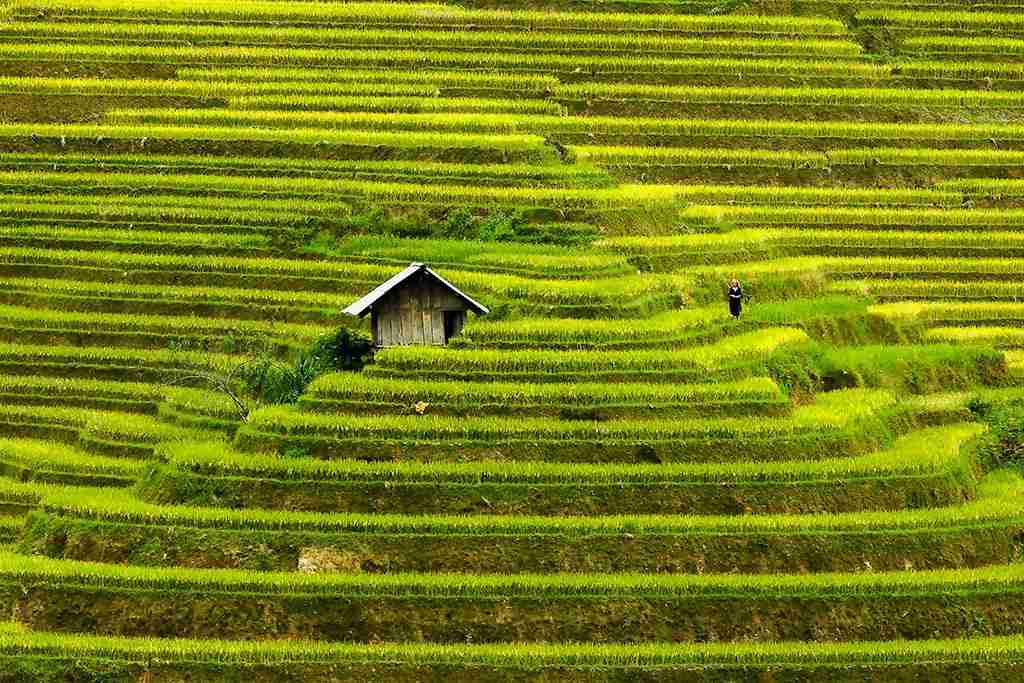
Exploring the Journey from Paddy Fields to Processing Lines
As the sun rises over the lush green landscape, the paddy fields come alive with the sounds of labor. Farmers, with their hands caked in the rich, dark soil, carefully harvest the golden grains of rice, a staple that sustains millions. Each stroke of their sickles is a dance, a rhythmic tradition passed down through generations. The journey from these humble fields begins with careful handling, where the harvested paddy is gathered into bundles and transported to the processing facility, often via small trucks or carts. Here, the real transformation starts—a meticulous process dedicated to preserving quality and ensuring that the rice reaches our tables as fresh and nutritious as possible.
The processing factory itself is a marvel of efficiency and innovation, filled with a series of intricate machines that work harmoniously to convert raw paddy into polished rice. As the paddy enters the facility, it undergoes several essential processes, including cleaning, hulling, and milling. Throughout this phase, several steps are critical, such as:
- Cleaning: Removing impurities, such as stones and dirt.
- Hulling: Separating the outer husk from the rice grain.
- Milling: Polishing to achieve the desired texture and color.
These processes not only enhance the product’s appeal but also improve its shelf-life and cooking quality. Below is a simplified table illustrating the various stages of rice processing:
| Processing Stage | Description |
|---|---|
| Cleaning | Removal of foreign materials |
| Hulling | Separation of husk from paddy |
| Milling | Polishing and grading the rice |
Understanding Quality Control Measures in Paddy Processing
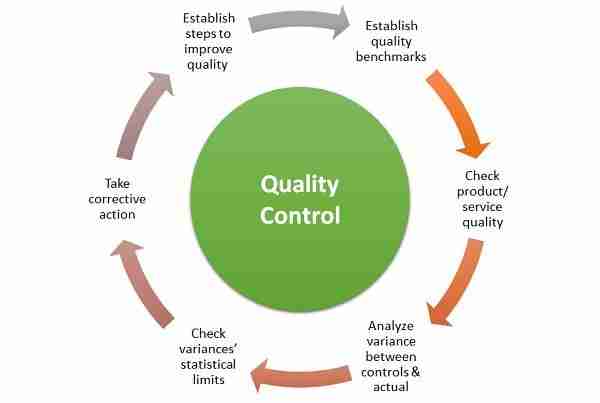
In the world of paddy processing, quality control measures play a crucial role in ensuring that the rice produced meets both safety and quality standards. Before any grain makes its way to your table, it undergoes a meticulous series of checks and processes. Each stage of production is designed to minimize defects and enhance the overall quality, and this begins right at the paddy field. Factors such as soil condition, weather patterns, and harvesting techniques are monitored to guarantee a high-quality input. At the processing facility, various strategies are employed, including:
- Visual Inspection: Trained personnel examine the grains for color and texture, eliminating any foreign materials.
- Moisture Control: Maintaining optimal moisture levels is essential to prevent spoilage and ensure proper storage.
- Sorting and Grading: Grains are sorted based on size and quality to deliver uniformity in the final product.
Once the grains are processed, rigorous testing continues, ensuring that every batch adheres to health regulations and standards. Laboratories perform chemical analyses, checking for pesticide residues and contaminants, to guarantee safety. Quality control extends into packaging, where containers are checked for proper sealing and labeling to prevent contamination during transport. The table below summarizes the key quality control measures employed:
| Control Measure | Description |
|---|---|
| Moisture Testing | Ensures grains are stored at safe humidity levels to prevent mold growth. |
| Contaminant Screening | Checks for harmful substances such as heavy metals or pesticides. |
| Sensory Evaluation | Evaluates the aroma, taste, and appearance of rice before packaging. |
Sustainable Practices for a Greener Processing Factory
In the pursuit of a healthier planet, the processing factory adopts various eco-friendly approaches that significantly reduce its environmental footprint. By integrating energy-efficient machinery designed to consume less power, the factory not only minimizes its energy usage, but also lowers operational costs. Additionally, the use of renewable energy sources such as solar and wind power plays a crucial role in substantiating its commitment to sustainability. Waste reduction strategies are implemented through practices like:
- Recycling packaging materials
- Composting organic waste
- Utilizing by-products in animal feed
The factory also prioritizes water conservation techniques, ensuring that every drop counts. Implementing a closed-loop water system allows for the continuous recycling of water, drastically reducing overall consumption. To further demonstrate its sustainability goals, the facility has launched community initiatives focused on education and outreach, fostering a culture of environmental responsibility among local stakeholders. The accompanying table illustrates the factory’s current sustainability metrics:
| Sustainability Metric | Current Value | Target Value |
|---|---|---|
| Energy Reduction (%) | 30 | 50 |
| Water Recycled (%) | 70 | 90 |
| Waste Diversion Rate (%) | 50 | 75 |
Enhancing Efficiency through Modern Technology in Rice Production
In the quest to maximize productivity, modern rice production has embraced innovative technologies that streamline everything from planting to processing. Today, the utilization of precision agriculture is revolutionizing how farmers approach their fields. This includes the deployment of drone technology to monitor crop health and soil conditions, allowing for more informed decisions. Furthermore, automated irrigation systems are being adopted, ensuring that water is used efficiently and effectively, adapting to real-time weather conditions and crop requirements. This precision not only enhances yield but also contributes to sustainable agricultural practices.
Post-harvest processing has also seen significant advancements, transforming how rice is prepared for market. Sophisticated milling machines now ensure that grains are polished consistently, reducing waste and improving quality. Within the processing factories, embedded sensors track the entire journey from raw paddy to polished rice, streamlining operations and maintaining high standards. Consider the following benefits of modern technology in paddy processing:
| Technology | Benefits |
|---|---|
| Automated Grading Systems | Ensures uniform quality and minimizes manual errors. |
| Data Analytics | Informs production decisions based on market trends and data. |
| Smart Packaging | Improves shelf-life and provides consumers with product transparency. |
Future Outlook
As we conclude our journey through the paddy processing factory, we find ourselves enveloped in the intricate dance of machinery and tradition. From the sun-drenched fields to the meticulous sorting and final packaging, each step embodies the synergy of nature and innovation. This journey has not only illuminated the remarkable processes that transform raw grain into a staple food but also highlighted the dedication of the individuals behind the scenes who ensure that quality and sustainability are paramount.
The paddy processing factory stands as a testament to human ingenuity, where age-old practices meet cutting-edge technology. As we enjoy rice on our tables, let us appreciate the effort that goes into each grain, the stories woven into every harvest, and the importance of supporting sustainable agricultural practices. In this ever-evolving landscape of food production, we are reminded that the journey from harvest to table is as crucial as the meal itself—a bridge connecting us to the land, the labor, and ultimately, to one another. Thank you for joining us on this insightful exploration; may our connections to our food and its origins deepen as we continue to share meals and moments around the table.




