
In the lush expanse of terraced fields, where emerald blades dance in the breeze, lies a world of transformation that begins long before the grains find their way to our plates. “From Field to Feast: The Art and Science of Paddy Processing” invites you to explore this intricate journey, where age-old traditions meld seamlessly with modern techniques to elevate rice from its humble origins to a culinary staple cherished across the globe. This article delves into the meticulous process of paddy processing, revealing the craftsmanship and innovation that shape not only the grains we consume but also the cultural significance they embody. Join us as we traverse the path from the rice paddies to the dining table, uncovering the story behind every kernel and celebrating the harmony of nature and technology in creating one of the world’s most vital foods.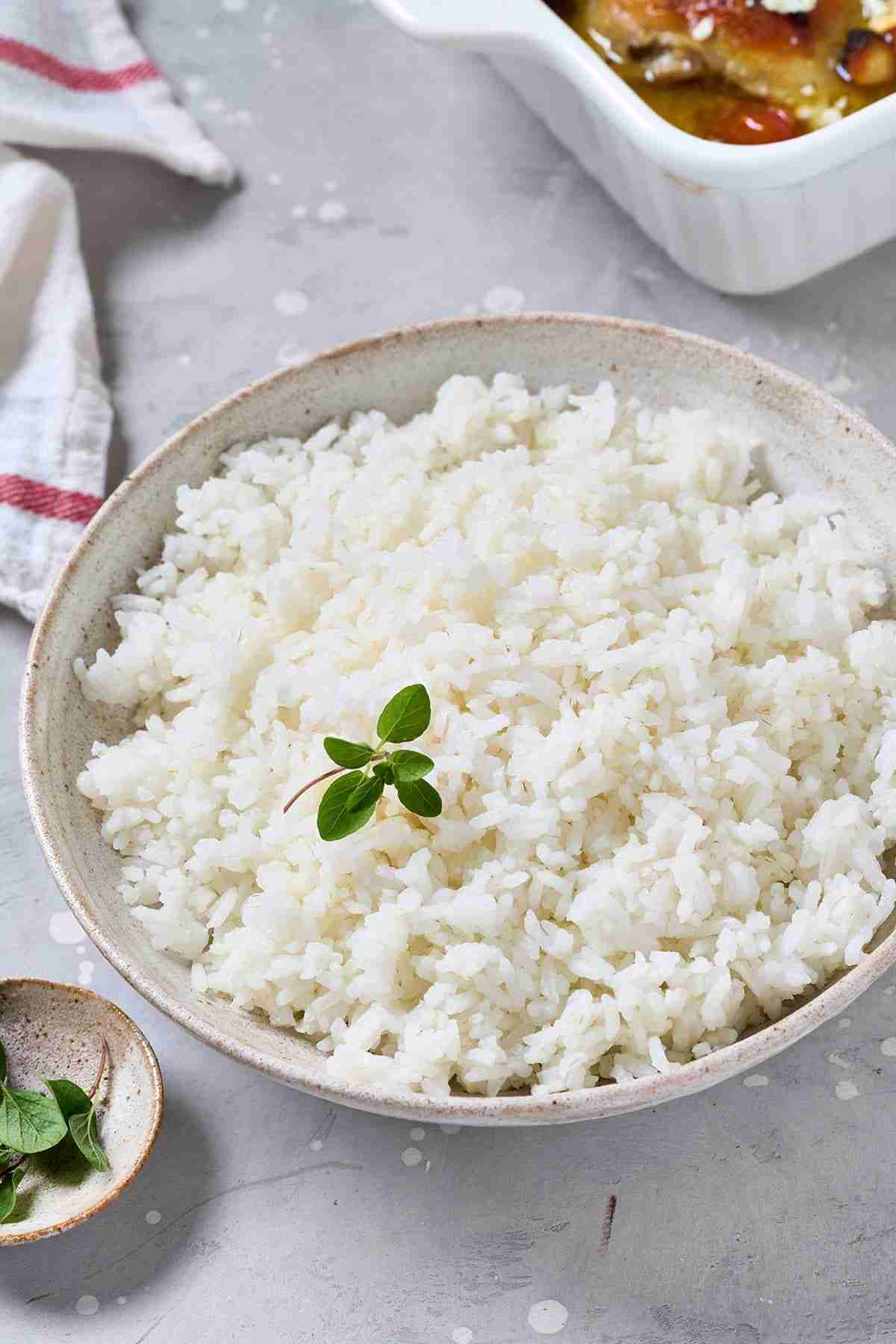
The Journey of Rice: Understanding the Paddy Lifecycle
The lifecycle of rice, from its humble beginnings in the paddy fields to its eventual transformation into a culinary staple, is a fascinating journey that intertwines nature’s rhythms with human expertise. The process begins with careful cultivation, as farmers prepare the fields by ensuring adequate moisture levels, which is essential for the germination of rice seeds. Once sowed, these seeds sprout into lush green plants, creating vibrant paddies that dance in the wind. Here, the ecosystem plays a pivotal role, with water management, soil health, and pest control techniques all converging to optimize yield. The following key phases can be observed during this lifecycle:
- Germination: Seeds absorb water and begin to sprout.
- Tillering: As plants grow, they develop multiple stems.
- Booting: The rice plant prepares to flower, signaling the next stage of reproduction.
- Heading: Rice flowers emerge, leading to grain formation.
- Maturation: Grains ripen, ready for harvest.
Once harvested, the journey of rice takes a new turn, as it transitions from paddy to plate. The post-harvest processing is where the true art and science come into play. This phase encompasses several crucial steps, including drying, milling, and packaging, each designed to enhance the grain’s quality while preserving its nutritional value. The intricacies of each method heavily impact the flavor, texture, and appearance of the rice we ultimately cook. For instance, the milling process involves removing the outer husk and bran layers, resulting in white rice; however, retaining these layers yields brown rice, often lauded for its health benefits. Below is a simplified overview of the processing steps:
| Processing Step | Description |
|---|---|
| Drying | Reduces moisture content to prevent spoilage. |
| Milling | Involves hulling and polishing to remove bran and germ. |
| Grading | Sorts rice based on size and quality. |
| Packing | Prepares rice for distribution and sale. |
Harvest to Hulling: Techniques for Optimal Grain Quality
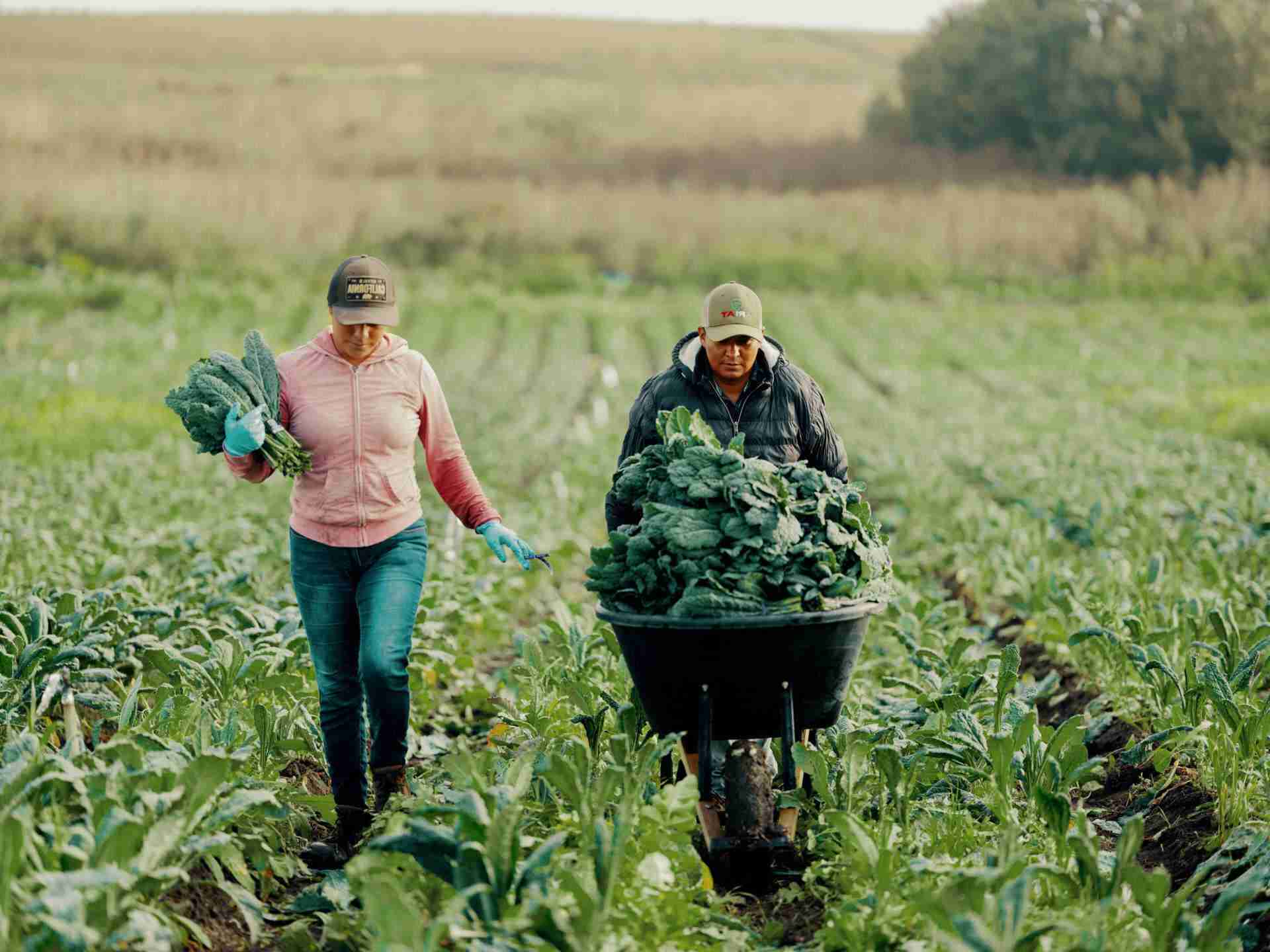
In the journey from field to feast, the transition from harvest to hulling is a critical phase wherein the quality of the grain is determined. After harvesting, the first step involves meticulous drying to ensure moisture levels are optimal; grains with excessive moisture may develop molds or spoil. This can be achieved through natural sunlight or the use of modern drying techniques, tailored to the specific requirements of the grain. Once dried, it’s essential to engage in the threshing process, where paddy is separated from the husk. Various techniques may come into play here, including:
- Mechanical threshers: Efficient machines designed to handle large volumes of grain.
- Traditional hand-threshing: A labor-intensive method often used in smaller farms for quality control.
- Airflow systems: Utilizing air to dislodge grains from chaff for a gentler separation.
Following threshing, the next crucial step is hulling, where the outer husk is removed to reveal the grain. Selecting the appropriate hulling technique is vital for maintaining the integrity and nutritional value of the rice. Common hulling methods include:
- Roller hullers: Produce a higher-quality grain often preferred for premium markets.
- Rubber roll hullers: Provide gentle treatment to minimize damage to grains.
- Stone hullers: A traditional method that enhances flavor but may require more careful control of processing times.
| Technique | Advantages | Disadvantages |
|---|---|---|
| Mechanical Threshers | High efficiency, quick processing | High initial investment |
| Traditional Hand-Threshing | Cost-effective, quality control | Time-consuming |
| Roller Hullers | Less grain damage, premium quality | Higher operational costs |
Nutritional Transformations: Enhancing Rice through Processing
Processing rice is more than just a means to prepare it for consumption; it is an art form that enhances its nutritional profile and overall quality. Various methods transform the humble grain into a multicolored palette of flavors, textures, and health benefits. Some popular techniques include:
- Parboiling: A method where rice is soaked and steamed before milling, helping to retain essential nutrients.
- Fermentation: This ancient process boosts the bioavailability of nutrients, increasing the levels of vitamins and minerals.
- Fortification: Adding essential vitamins and minerals, such as iron and folic acid, makes rice a more nutritious staple.
Each of these processes not only alters the grain’s physical characteristics but also its nutritional capacities. For instance, parboiled rice retains more thiamine and niacin compared to traditionally milled rice. The environmental and culinary impacts of these transformations are significant; they contribute to sustainability by minimizing waste and introducing new flavors. Consider the following table, which summarizes how different processing methods can transform rice:
| Processing Method | Nutritional Benefit | Flavor Profile |
|---|---|---|
| Parboiling | Higher vitamin retention | Nuts and earthy |
| Fermentation | Increased digestibility | Complex, slightly sour |
| Fortification | Enhanced micronutrient content | Neutral to slightly sweet |
Sustainable Practices: Balancing Tradition and Innovation in Paddy Production
The intricate dance between tradition and innovation has redefined the landscape of paddy production, merging age-old wisdom with modern techniques to enhance sustainability. Farmers today are not merely custodians of practices passed down through generations; they are innovators using technology to improve crop yield while preserving soil health. This balance is achieved through practices such as crop rotation, integrated pest management, and the implementation of system of rice intensification (SRI), which optimizes water usage and increases resilience to climate change. By incorporating these modern approaches alongside traditional methods, such as using organic fertilizers and local seed varieties, farmers can cultivate a thriving ecosystem that supports both biodiversity and productivity.
Furthermore, the integration of new technologies plays a pivotal role in this harmonious blend. Precision farming leverages satellite imagery and data analytics to monitor crop health and irrigation needs, ensuring that resources are utilized more efficiently. The introduction of drone technology enables timely intervention against pest outbreaks and provides farmers with real-time insights into crop conditions. Most notably, these innovative methods are complemented by community-driven initiatives that aim to educate and empower local farmers to embrace sustainable practices. Together, these strategies form a robust framework for paddy production that honors tradition while boldly stepping into the future.
Wrapping Up
As we conclude our journey “From Field to Feast,” we invite you to reflect on the remarkable transformation that rice undergoes from its humble beginnings in paddy fields to the fragrant bowls that grace our tables. This intricate process, steeped in tradition and enhanced by modern innovation, reveals not only the artistry of cultivation and processing but also the intricate science that ensures quality and sustainability.
The path from grain to plate is a testament to the dedication of farmers, the expertise of processors, and the wisdom of cultures that have cherished rice for millennia. Each step in paddy processing is a blend of age-old techniques and cutting-edge technology, showcasing the harmony between nature and human ingenuity.
As we savor the flavors that rice contributes to our meals, let us also appreciate the complex journey behind this staple food—a journey that embodies the hard work and care of countless individuals. In understanding the art and science of paddy processing, we gain not only an appreciation for the food we consume but also a connection to the rich tapestry of agricultural practices and culinary traditions that nourish us all. So, next time you enjoy a bowl of rice, remember the stories woven into every grain—a celebration of life, culture, and the timeless art of farming.




