
In the heart of the world’s agricultural landscape, a quiet revolution is underway, subtly redefining the ways we approach rice production and milling. Enter the mini rice milling machines—a groundbreaking innovation that combines compact design with powerful efficiency. As smallholder farmers seek to increase their yields and streamline their operations, these machines have emerged as a crucial ally. They promise not only to unlock the true potential of rice production but also to empower rural communities and enhance food security. This article delves into the rise of mini rice milling machines, exploring their technology, impact, and the transformative role they play in a global industry facing both opportunities and challenges. Join us as we uncover how these humble yet mighty machines are reshaping the future of rice milling, one grain at a time.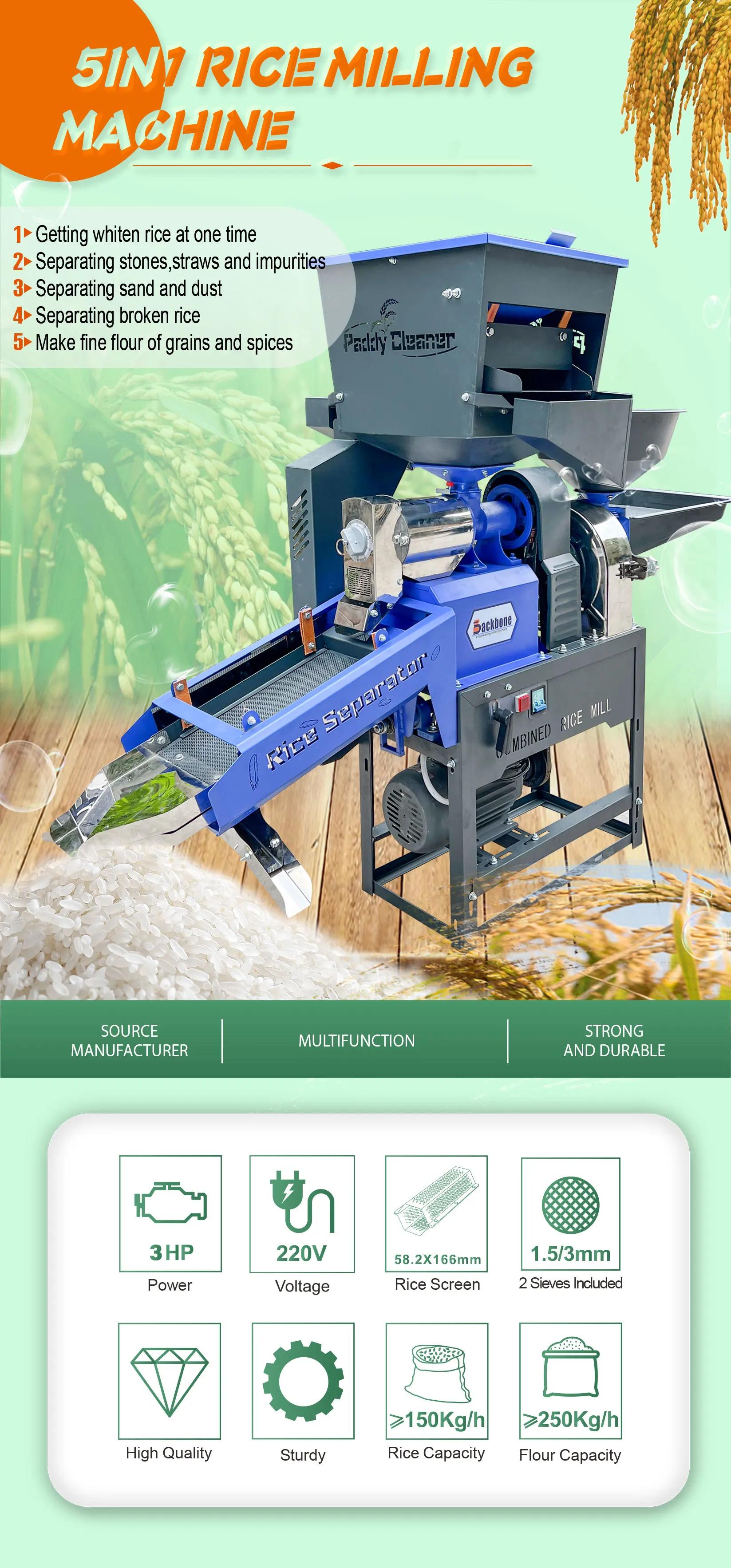
Understanding the Mini Rice Milling Revolution and Its Impact on Small-Scale Farmers
In recent years, the introduction of mini rice milling machines has transformed rice production for small-scale farmers, creating a paradigm shift in the agricultural sector. These compact and efficient machines enable farmers to mill rice on-site, minimizing the time and costs associated with traditional milling practices. With the ability to process a smaller quantity of rice compared to large-scale mills, mini rice milling machines promote local processing and contribute to the enhancement of food security in rural areas. Key advantages of this technological advancement include:
- Reduced Transportation Costs: Farmers no longer need to transport their grain to distant milling facilities.
- Higher Quality Control: Milling at the source allows farmers to control the quality of their product.
- Increased Profit Margins: By milling their rice, farmers can retain more profit instead of paying milling fees.
Moreover, the impact of these machines extends beyond mere convenience. They serve as a catalyst for community development and economic empowerment. By investing in mini rice milling technology, small-scale farmers can not only enhance their productivity but also inspire the formation of cooperative businesses. This fosters a sense of camaraderie and collective growth within communities. To illustrate the robust adoption and benefits of mini rice milling machines, here’s a brief comparison of traditional versus mini rice milling:
| Feature | Traditional Milling | Mini Rice Milling |
|---|---|---|
| Location | Centralized milling locations | On-site processing |
| Processing Time | Longer due to transportation | Quicker and more efficient |
| Cost | Higher fees and transport costs | Lower operational costs for farmers |
The mini rice milling revolution exemplifies how technology can directly benefit small-scale farmers, offering them autonomy and resilience in a competitive market. As these machines become more accessible, they can help shape a sustainable future for rice farming, making agriculture a viable livelihood for many, while simultaneously boosting local economies.
Key Features and Benefits of Mini Rice Milling Machines for Modern Agriculture
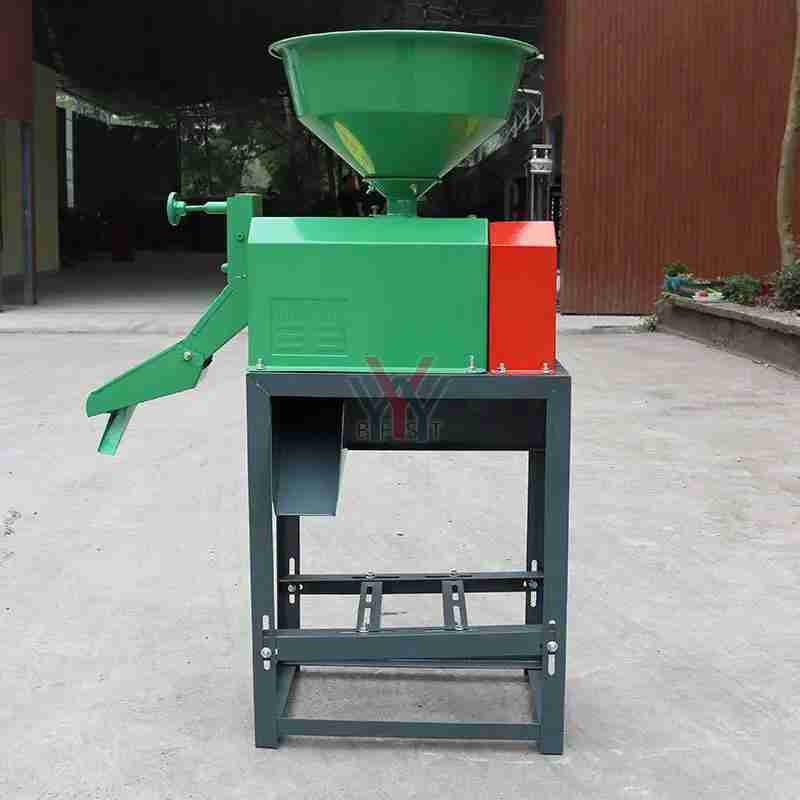
Mini rice milling machines are transforming agricultural practices, providing farmers with a suite of features designed for efficiency and effectiveness. These compact machines facilitate the processing of rice directly on the farm, significantly reducing the need for transportation to distant milling facilities. Key features include optimal husking and polishing capabilities, low power consumption, and the ability to operate with minimal manpower. Moreover, the machines can be easily transported between fields, making them a versatile asset in diverse agricultural settings.
In addition to their technical specifications, the benefits of employing mini rice milling machines are multifaceted. Farmers gain immediate access to freshly milled rice, which enhances the quality and taste of the final product. This leads to increased market competitiveness and better pricing. Furthermore, these machines promote sustainable practices as they minimize grain wastage and lower carbon footprints by reducing transport needs. In essence, mini rice milling machines are not just tools; they are agents of change driving modern agricultural efficiencies.

Navigating the Market: Choosing the Right mini rice mill for Your Needs
Choosing the appropriate mini rice mill involves several key considerations that can significantly impact your operation, efficiency, and overall satisfaction. First, assess the scale of your rice milling needs. If you are a small farmer or a local entrepreneur, a compact and affordable model may suffice. On the other hand, for larger operations, investing in a higher-capacity unit with more advanced features can improve processing speed and minimize labor costs. Second, evaluate the type of rice you will be milling. Certain models are designed to mill specific varieties effectively. Understanding these specifications will help you select a machine that meets your unique requirements.
Additionally, consider the following features when evaluating potential mini rice mills:
- Output capacity: Analyze your daily processing needs to determine the optimal output.
- Energy efficiency: Look for models that consume less power while still offering robust performance.
- Ease of maintenance: A user-friendly machine simplifies upkeep, prolonging the life of the mill.
- Portability: If you require mobility, pick a model designed for ease of transport.
- Price and warranty: Consider upfront costs as well as the service agreements available for your chosen mill.
To provide a clearer perspective on the selection process, here’s a simple comparison table of two popular mini rice mill options:
| Feature | Model A | Model B |
|---|---|---|
| Output Capacity | 200 kg/day | 300 kg/day |
| Power Consumption | 1.5 kWh | 2 kWh |
| Mobility | Medium | High |
| Price Range | $1,200 | $1,800 |
By evaluating these aspects and comparing multiple models, you can ensure that the mini rice mill you choose truly aligns with your business needs and maximizes your productivity.
Maximizing Output: Tips for Efficient Operation and Maintenance of Mini Rice Mills
To ensure that mini rice mills operate at their peak efficiency, regular maintenance and smart operational practices are crucial. Operators should adhere to a comprehensive maintenance schedule that includes routine checks on critical components such as the milling chamber, screen, and hoppers. Additionally, it’s essential to keep the mills clean and free of debris to prevent mechanical failures and ensure high-quality output. Implementing the following practices can significantly enhance the longevity and productivity of these machines:
- Regular Lubrication: Consistently lubricate moving parts to reduce wear and tear.
- Quality Control Checks: Periodically test the output for quality to maintain standards.
- Training Personnel: Equip staff with the necessary training on machine operation and troubleshooting.
- Efficient Load Management: Avoid overloading the mill to maintain optimal performance.
Furthermore, understanding the key operational parameters can help in maximizing output. Operators should regularly monitor the moisture content of the rice, as this significantly affects milling efficiency. A suitable moisture range not only ensures better husking but also enhances the quality of the final product. The following table outlines the ideal moisture content for rice milling:
| Rice Variety | Ideal Moisture Content (%) |
|---|---|
| White Rice | 12-14 |
| Brown Rice | 13-15 |
| Jasmine Rice | 11-13 |
| Basmati Rice | 12-14 |
Incorporating these insights into everyday operations not only boosts efficiency but also helps in further reducing waste and maximizing profitability. Exploring innovative technologies and practices in tandem can empower operators to navigate challenges and fully exploit the unique advantages that mini rice milling machines offer.
Wrapping Up
As we navigate the evolving landscape of agriculture and food production, the emergence of mini rice milling machines stands out as a beacon of potential. These compact yet powerful innovations are not just transforming the way we process rice; they are fostering a new era of accessibility, efficiency, and sustainability in agrarian economies. By empowering smallholder farmers and local communities, mini rice mills are unlocking opportunities that ripple through entire supply chains, elevating livelihoods and promoting food security.
As we embrace the rise of these technologies, it is essential to consider not only their economic implications but also their potential to spark a cultural renaissance within rice farming communities. With each turn of the milling mechanism, stories of tradition, resilience, and innovation intertwine, marking a new chapter in agricultural history.
In closing, as we reflect on the journey of mini rice milling machines, let us celebrate their role in empowering individuals and communities alike. The path ahead is rich with promise, where innovation meets heritage, and where every grain of rice tells a story of possibility. The future is indeed bright for those who dare to unlock their potential.




