
In a world where food security and sustainability are paramount, the quest for efficient agricultural solutions has never been more critical. Amidst the expansive fields of golden rice paddies, a transformative innovation is quietly making waves: the mini rice mill. This compact yet powerful tool is not just a marvel of engineering; it represents a paradigm shift in how we process one of the world’s most staple foods. As farmers and entrepreneurs alike seek to unlock the full potential of their crops, mini rice mills are emerging as a beacon of efficiency, accessibility, and economic empowerment. In this article, we will explore the myriad advantages of these small-scale milling machines, shedding light on how they are revolutionizing rice production and supporting communities across the globe. From enhancing local economies to promoting self-sufficiency, the potential of mini rice mills is ripe for discovery. Join us on a journey through the fields of innovation, where big opportunities are packed into smaller packages.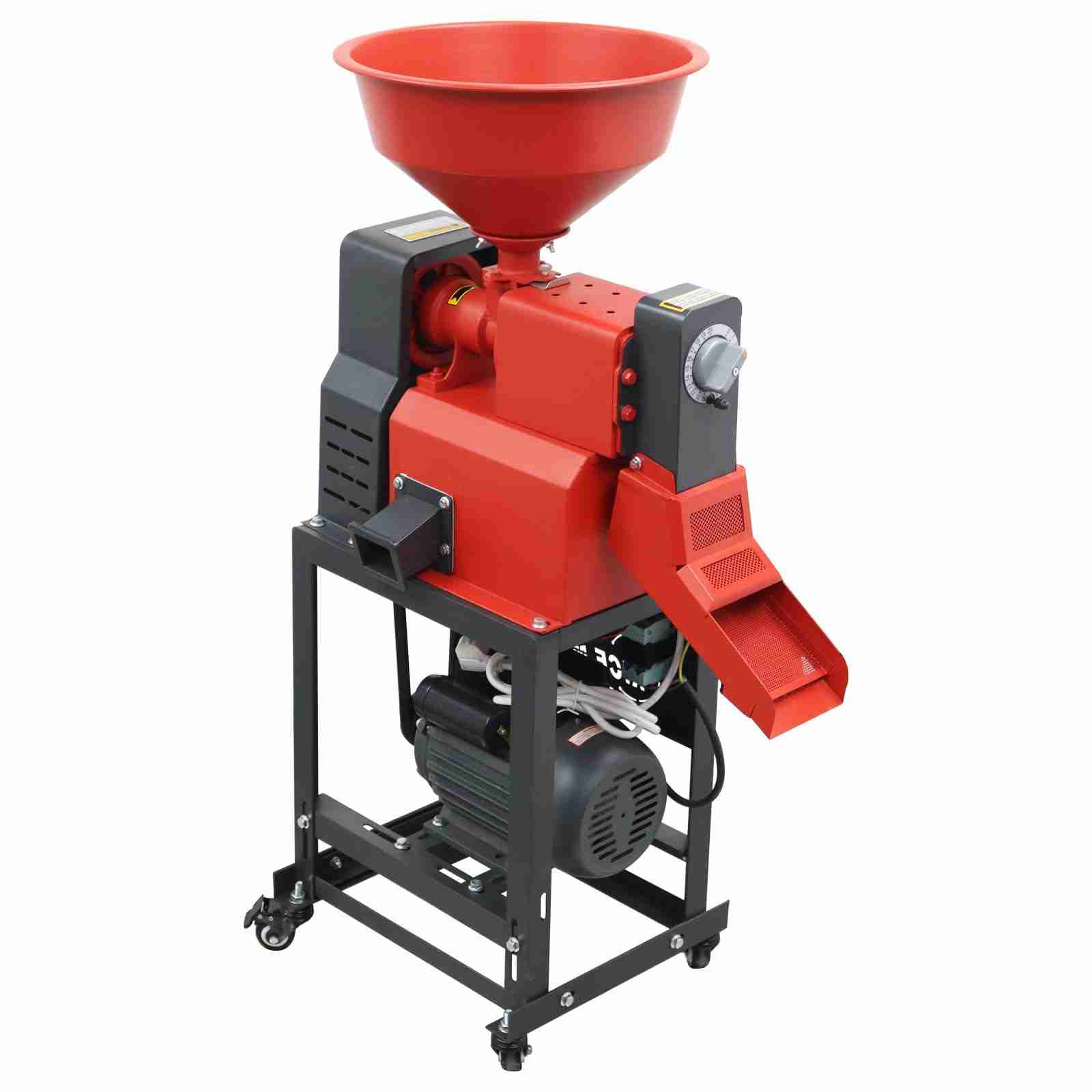
Exploring the Economic Benefits of Mini Rice Mills for Small Farmers
Mini rice mills provide substantial economic advantages to small farmers, enabling them to transform their operations and achieve greater profitability. By milling their own rice, farmers can save on transportation and processing costs, gaining more control over the entire supply chain. This benefit not only leads to increased income but also empowers farmers to engage directly in the market, allowing them to negotiate better prices for their product. Additionally, the utilization of local resources minimizes the need for large-scale infrastructure, which can be financially burdensome and often out of reach for many small-scale agriculturalists.
Furthermore, mini rice mills can stimulate local economies by creating job opportunities and encouraging entrepreneurship. Farmers are not only producers but can also become local mill operators, fostering a sense of community and collaboration. The competitive pricing generated through local milling operations can also have a ripple effect on the pricing of rice products, improving accessibility for consumers. Key benefits of mini rice mills include:
- Cost savings: Reduced transportation and processing expenses.
- Increased profitability: Enhanced income through direct market engagement.
- Job creation: New employment opportunities for local communities.
- Entrepreneurial opportunities: Encouraging farmers to expand their skill sets.
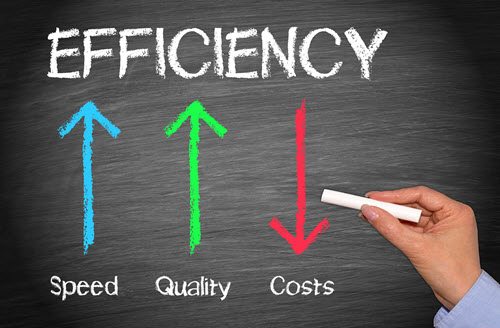
Enhancing Efficiency: How Mini Rice Mills Revolutionize Grain Processing
In the ever-evolving landscape of agriculture, mini rice mills have emerged as a beacon of innovation, transforming the way grain processing is approached. These compact machines boast a suite of features that streamline operations and enhance productivity. With their ability to process rice on-site, they significantly reduce transportation costs and time, enabling farmers to retain the freshness and quality of their produce. The modular design of these mills allows for easy upgrades and maintenance, ensuring longevity and resilience in various environments. Additionally, their energy-efficient mechanisms contribute to sustainability by minimizing waste and decreasing reliance on conventional energy sources.
Furthermore, mini rice mills are accessible to farmers of all backgrounds, democratizing the grain processing industry. Their relatively low investment cost empowers smallholders to become self-sufficient and take control of their produce. Notably, these mills often feature user-friendly interfaces that do not require extensive training, allowing for quick adoption in rural communities. Key advantages include:
- Increased Autonomy: Farmers can mill rice as needed, reducing dependence on commercial processing facilities.
- Enhanced Quality Control: With immediate access to milling, grain retains its nutritional value and flavor.
- Job Creation: Local operation of mini mills fosters entrepreneurship and supports community growth.
Sustainability in Action: The Environmental Impact of Mini Rice Mills
In the quest for sustainable agricultural practices, mini rice mills stand out as a beacon of innovation. These compact facilities not only enhance local economies by providing accessible milling options but also reduce transportation emissions significantly. By sourcing paddy locally, communities can minimize the carbon footprint associated with transporting grains over long distances. This localized approach fosters a circular economy, where environmental sustainability is inherently built into the agricultural process. Additionally, mini rice mills offer energy-efficient technologies that consume less power, further contributing to a reduction in environmental impact.
Moreover, these mills play a crucial role in reducing waste. In traditional milling processes, large quantities of byproducts are often generated, leading to soil and landfill issues. Mini rice mills prioritize waste management by:
- Transforming waste into useful byproducts, such as bran oil and animal feed.
- Utilizing husks as biofuel for energy needs, which promotes recycling.
- Encouraging the adoption of sustainable practices through education and community engagement.
The result is a more resilient agricultural framework that not only meets the needs of today’s population but also preserves the environment for future generations. By embracing these small-scale operations, we can unlock the potential of rice milling while safeguarding our planet.
Empowering Communities: The Social Advantages of Local Rice Milling Solutions
Local rice milling solutions serve as a cornerstone for community empowerment, transforming not just agricultural practices but also the socio-economic landscape. By establishing these mini rice mills, regions can enjoy a host of social benefits, including improved food security and enhanced local economies. When families can mill their rice close to home, they significantly reduce transportation costs and time, ensuring that freshly milled rice remains accessible and affordable. More importantly, these mini mills create job opportunities within the community, fostering connections and collaboration among local stakeholders.
Additionally, the establishment of community-centric rice milling facilities cultivates a strong sense of identity and pride among residents. As local farmers gain control over the entire supply chain, they engage in sustainable practices that promote not only agricultural resilience but also environmental stewardship. This connection fosters increased collaboration on best practices, leading to a more educated and proactive agricultural community. The ripple effect extends through various aspects of life, yielding enhanced social networks, robust support systems, and a unified approach to development.
| Social Advantage | Description |
|---|---|
| Job Creation | Establishment of local mills generates employment opportunities for community members. |
| Food Security | Access to freshly milled rice boosts nutritional availability for families. |
| Sustainability | Empowers farmers to engage in practices that protect the local environment. |
| Community Identity | Strengthens connections and pride within the local community. |
Insights and Conclusions
In a world where efficiency and sustainability intertwine, mini rice mills stand out as beacons of innovation in the agriculture sector. Their ability to transform a traditional process into a streamlined, eco-friendly operation opens doors for small-scale farmers, empowering them to unlock their true potential. As we’ve explored, the advantages of these compact machines extend far beyond mere convenience; they foster economic growth, promote food security, and minimize waste.
As we move forward in an era where every grain matters, embracing the capabilities of mini rice mills not only enhances productivity but also heralds a shift towards more resilient farming practices. By championing technology that supports local economies and diminishes environmental impact, we pave the way for a brighter, more sustainable future. Let us celebrate these small yet mighty machines that, in their quiet but powerful way, are transforming the landscape of agriculture and redefining what’s possible. Unlocking potential isn’t just a goal; it’s a journey—one that mini rice mills help us undertake with every husk milled and every farmer empowered.




