
In the heart of agrarian landscapes and bustling urban markets alike, a revolution is quietly simmering, one that transcends the boundaries of traditional farming practices and food production. As consumers become increasingly conscious of their food choices and the origins of their grains, the surge in demand for locally sourced, freshly milled rice has illuminated an innovative solution: mini rice milling machines. These compact powerhouses are not just transforming the grain industry; they are reshaping culinary experiences and empowering small-scale farmers around the globe. From remote villages to vibrant city markets, the rise of these machines heralds a new era where convenience meets sustainability, and where the seeds of innovation are sown into the very fabric of everyday life. Join us as we delve into the significant impact of mini rice milling machines, exploring how they are changing the way we think about grain processing, promoting self-sufficiency, and elevating the quality of our daily sustenance.
The Evolution of Rice Milling: Embracing Miniature Technology
The journey of rice milling has witnessed transformative strides, especially with the advent of miniature technology. These compact machines are revolutionizing the way rice is processed, significantly enhancing efficiency while maintaining quality. Designed to cater to small-scale farmers and local mills, miniature rice milling machines boast a combination of advanced engineering and user-friendly features. Such innovations have not only made rice milling accessible but have also provided environmental benefits by minimizing energy consumption and waste.
As the demand for rice continues to soar globally, the utilization of miniature milling technology presents an exciting opportunity for agribusiness. Key benefits of these machines include:
- Portability: Lightweight designs make them easy to transport and use at various locations.
- Cost-Effectiveness: Smaller initial investments and lower operational costs contribute to greater profitability.
- Versatility: Many of these machines can handle different types of grains, promoting diverse agricultural practices.
To illustrate the impact of these machines, consider the following comparison of traditional versus modern miniature rice milling:
| Aspects | Traditional Milling | Miniature Milling |
|---|---|---|
| Size | Large, often stationary | Compact and mobile |
| Energy Use | High | Low |
| Processing Time | Longer | Quicker |
| Initial Cost | High | Affordable |
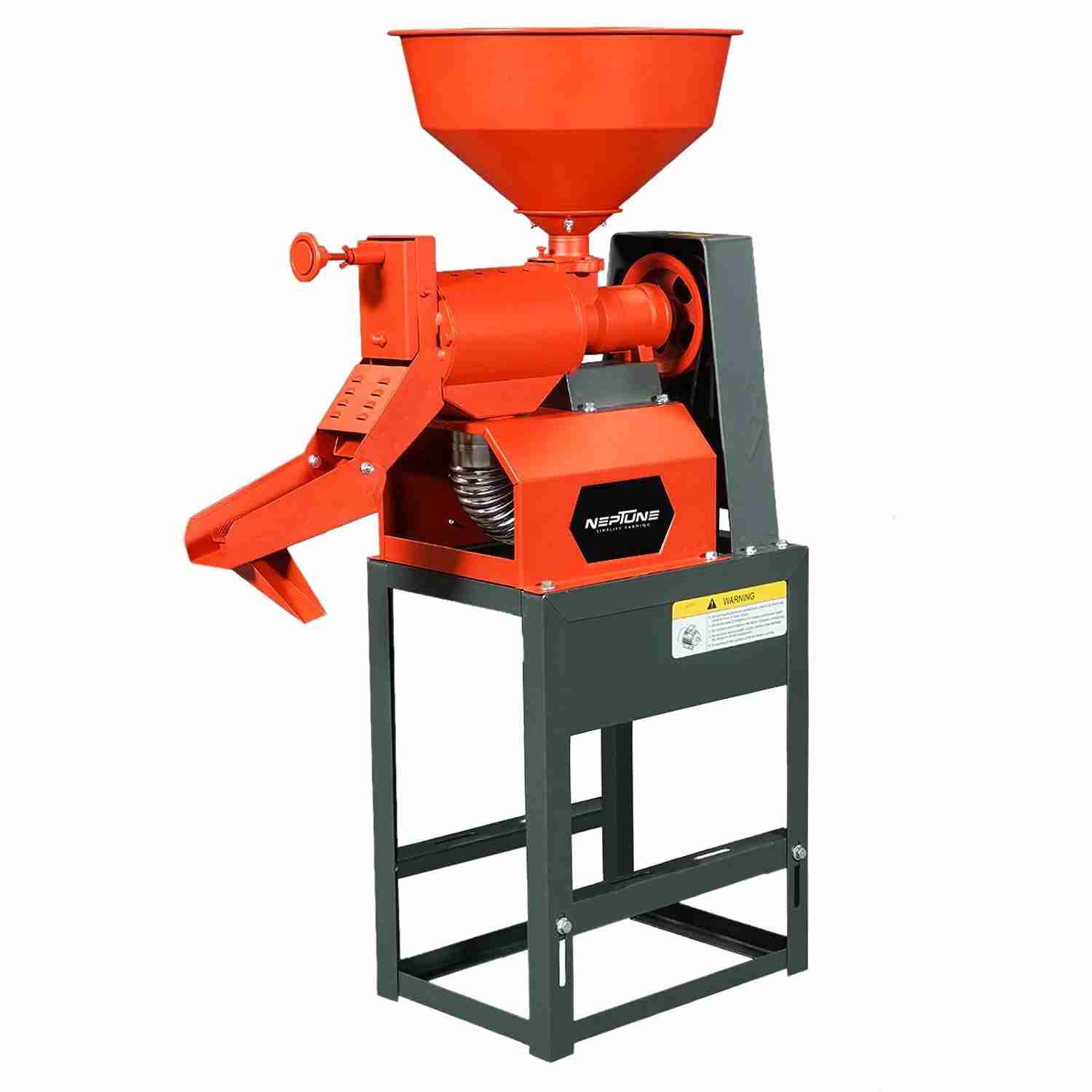
Benefits of Mini Rice Milling Machines for Small-Scale Farmers
The advent of mini rice milling machines has revolutionized the operational dynamics for small-scale farmers, empowering them to take control of their grain processing. One of the most significant advantages is the reduction in dependency on large commercial mills. By milling their rice on-site, farmers can ensure immediate access to processed grains, enhancing their overall efficiency. Additionally, these machines are designed to be user-friendly, enabling farmers with varying levels of technical expertise to operate them effectively. As a result, the barriers to entry for engaging in rice milling have dramatically decreased, making it feasible for more farmers to diversify their revenue streams.
Moreover, mini rice milling machines often lead to enhanced rice quality through improved processing techniques. With adjustable settings, farmers can customize the milling process to yield rice that meets both market standards and personal preferences. Some key benefits include:
- Cost-Effectiveness: Lower processing costs compared to outsourcing to larger mills.
- Time Efficiency: Quicker milling processes that reduce waiting times.
- Waste Reduction: Improved mechanisms that minimize grain loss during processing.
- Quality Control: The ability to monitor and maintain high standards of milling.
Additionally, the use of mini rice milling machines can significantly promote local economies. Farmers who mill their rice can sell directly to consumers and local markets, fostering community resilience and increasing food security. The ability to brand and market their own rice products allows them to capture greater profit margins, ultimately leading to higher incomes and an improved standard of living. The following table summarizes the impact of mini rice milling machines on small-scale farming:
| Impact Factor | Before Mini Mills | After Mini Mills |
|---|---|---|
| Processing Time | 5-7 hours | 1-2 hours |
| Processing Cost | Higher fees to commercial mills | Significantly reduced |
| Grain Loss | Up to 15% | Less than 5% |
| Direct Sales Opportunities | Minimal | Expanded market access |

Maximizing Efficiency: Choosing the Right Machine for Your Needs
When considering the best machine for your grain processing needs, it’s crucial to analyze the specific requirements of your operation. Mini rice milling machines have surged in popularity due to their compact size, energy efficiency, and ease of use. These machines are ideal for small to medium-sized farms and businesses seeking to optimize their production without hefty investments in larger equipment. Here are some essential factors to keep in mind:
- Production Capacity: Determine how much rice you need to mill daily to avoid under or over-investing.
- Energy Consumption: Look for machines that offer high efficiency, ensuring lower utility bills.
- Maintenance Requirements: Choose models that are easy to repair and maintain to minimize downtime.
- User-Friendly Design: A machine with intuitive controls can significantly boost productivity.
Another critical aspect to consider is the technology and features integrated into the mini rice milling machines. Incorporating modern innovations can enhance performance and yield. For instance, some machines come equipped with automatic paddy separation and polishing features that ensure high-quality output. Understanding the various available models and their specifications can help you make an informed decision:
| Model | Capacity (kg/h) | Power (HP) | Features |
|---|---|---|---|
| EcoMill 100 | 100 | 3 | Automatic, Compact Design |
| SmartGrain 200 | 200 | 5 | Multi-function, Low Noise |
| RicePro 150 | 150 | 4 | Polishing Feature, Easy Maintenance |
Ultimately, investing in the right machinery tailored to your unique operations will not only enhance efficiency but also foster growth and sustainability. As you embark on this transformative journey in grain processing, the right choice can make all the difference in your success.
Sustainable Practices: Enhancing Grain Transformation with Eco-Friendly Solutions
As the demand for sustainable agriculture rises, the integration of eco-friendly solutions in grain transformation processes is becoming increasingly crucial. Mini rice milling machines represent a transformative shift in the grain milling industry, not just for their efficiency but also their reduced environmental impact. These compact machines utilize less energy and generate less waste compared to traditional milling methods. By adopting such practices, farmers can enjoy the benefits of enhanced productivity while contributing to a healthier ecosystem.
To further embrace sustainability, many manufacturers of mini rice milling machines are incorporating innovative features that promote eco-conscious practices. For example, several models are designed with energy-efficient motors and durable materials that ensure longevity, minimizing the need for replacements. Additionally, these machines often include dust collection systems and water-saving technologies that reduce pollution and conserve vital resources. The following table summarizes key sustainability attributes of leading mini rice milling machines:
| Machine Model | Energy Consumption | Waste Generated | Special Features |
|---|---|---|---|
| EcoMill 2023 | Low | N/A | Solar-powered option |
| RiceMaster Pro | Moderate | Minimal | Water recycling system |
| GreenGrain Innovator | Very Low | Less than 5% | Noise reduction tech |
By prioritizing sustainability in grain milling, we pave the way for a better future where food production meets environmental stewardship. The rise of mini rice milling machines isn’t just an industrial advancement; it’s a commitment to responsible agriculture that future generations will benefit from. With features designed to minimize ecological footprints and maximize efficiency, these machines stand as beacons of progress in the evolving landscape of food processing.
The Way Forward
As we stand at the crossroads of tradition and innovation, the rise of mini rice milling machines heralds a transformative era in grain processing. These compact marvels not only empower local farmers and small business owners but also uphold the age-old bond between agriculture and the communities it serves. By streamlining operations and enhancing quality, they are reshaping how we perceive grain milling, making it more accessible and sustainable. As the global demand for rice continues to grow, embracing these advancements promises not just efficiency but a brighter future for food security. The journey of grains from field to table is evolving, and mini rice milling machines are leading the way. The next chapter in this narrative beckons—one where technology and tradition coexist harmoniously, ensuring that every kernel is cherished and every meal is a story of resilience and innovation.




