In the lush fields of rural communities, a silent revolution is taking place as small-scale farmers are gaining access to technology that is changing the way they harvest and process their precious rice crops. The introduction of mini mill plants is revolutionizing the industry, providing farmers with the tools they need to efficiently process their rice on a small scale. This article will explore the impact of this rice revolution on small-scale farmers and the greater agricultural community.
Introduction to Small-Scale Rice Milling
Rice milling has been a traditional practice for centuries, playing a crucial role in food production and agricultural economies worldwide. As small-scale farmers seek to increase their productivity and efficiency, the advent of mini mill plants has revolutionized rice processing methods. These compact machines are designed to cater specifically to the needs of small-scale farmers, offering cost-effective solutions for milling their harvested grains.
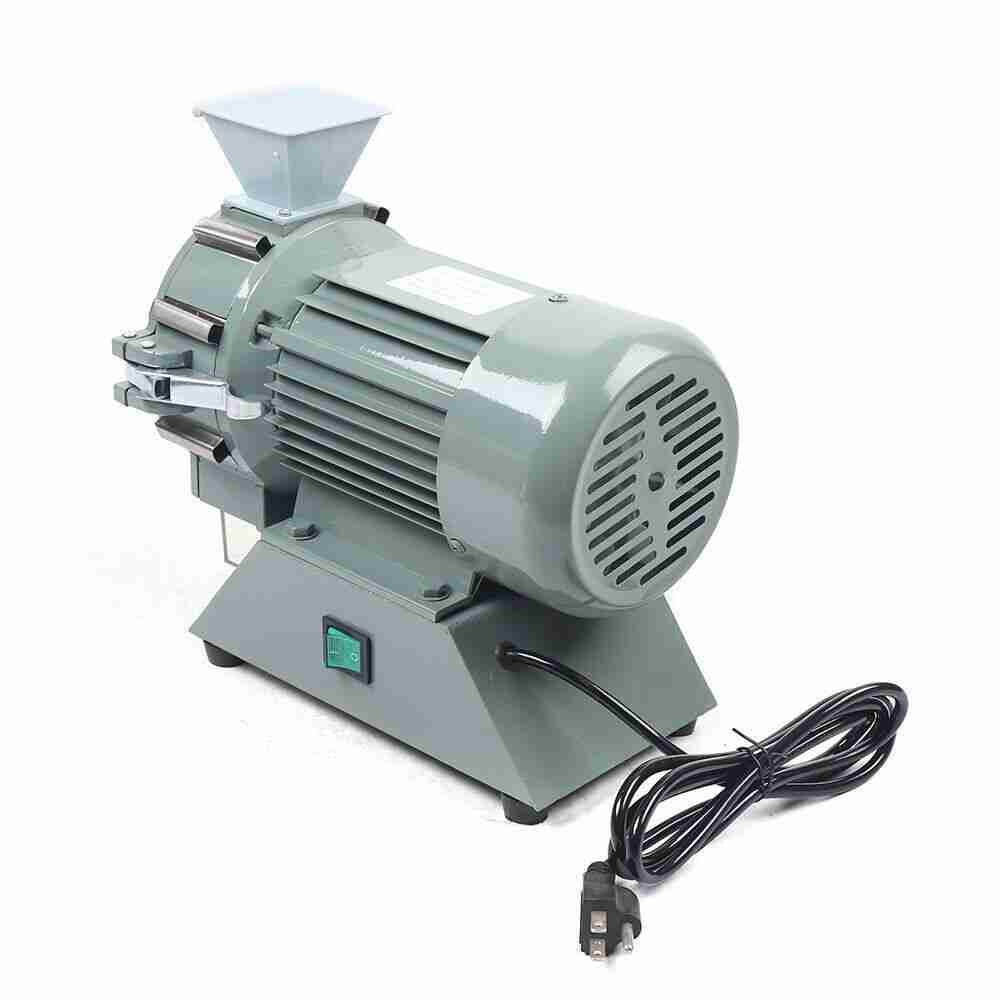
Mini mill plants are equipped with state-of-the-art technology and machinery, capable of efficiently processing rice grains from start to finish. These plants provide small-scale farmers with the tools they need to produce high-quality rice products that meet market demands. With features such as milling, polishing, and packaging capabilities, mini mill plants offer a comprehensive solution for small-scale rice milling operations, empowering farmers to enhance their production processes and profitability.
Benefits of Mini Mill Plants for Farmers
Increased Efficiency: Mini mill plants are specifically designed to cater to the needs of small-scale farmers, providing them with the ability to process their crops on-site quickly and efficiently. By eliminating the need to transport crops to large milling facilities, farmers can save time and money while also increasing their productivity. This increased efficiency allows farmers to focus on other aspects of their operations, leading to overall improved agricultural practices.
Cost Savings: One of the primary is the significant cost savings they provide. By owning and operating their own milling equipment, farmers can avoid costly processing fees charged by larger facilities. Additionally, mini mill plants allow farmers to have greater control over the quality of the final product, ensuring that they are able to produce high-quality crops for sale or personal consumption. Overall, mini mill plants offer farmers a cost-effective solution that empowers them to take control of their crop processing needs.

Challenges and Solutions for Small-Scale Rice Milling
Small-scale rice milling presents various challenges for farmers, including limited access to modern machinery, high operating costs, and the lack of technical expertise. These obstacles often hinder farmers from maximizing their yield and profitability. Additionally, the traditional methods of rice milling are time-consuming and labor-intensive, further adding to the difficulties faced by small-scale farmers.
Innovative solutions such as the mini mill plant offer a ray of hope for small-scale farmers looking to revolutionize their rice production. This compact and efficient plant is designed to streamline the milling process, reducing processing time and labor costs. With advanced technology and automation, farmers can now achieve higher quality rice products while minimizing waste. The mini mill plant empowers farmers to compete in the market and improve their overall productivity.
Recommendations for Implementing Mini Mill Plants
When implementing a mini mill plant for small-scale farmers, there are several key recommendations to keep in mind to ensure success. First and foremost, it is important to invest in high-quality equipment that is durable and efficient. This includes items such as rice hullers, polishers, and graders. By purchasing reliable machinery, farmers can increase productivity and ensure a higher quality end product.
Another important recommendation is to provide training and support for farmers who will be using the mini mill plant. This can include educational workshops on proper operation and maintenance of the equipment, as well as tips for maximizing efficiency. By empowering farmers with the knowledge and skills they need to succeed, the mini mill plant can become a valuable asset for small-scale agricultural communities.
Closing Remarks
In conclusion, the mini mill plant represents a significant step forward in the rice industry, offering small-scale farmers the opportunity to increase their efficiency and productivity. With its innovative design and user-friendly features, this revolutionary technology is set to transform the way rice is processed in rural communities. By empowering farmers with the tools they need to succeed, the rice revolution is paving the way for a brighter future in agriculture. Join us in celebrating this momentous achievement and stay tuned for more exciting developments in the world of agriculture.