
In the lush landscapes of rice-growing regions, a quiet revolution is taking place—one that promises to reshape the future of agriculture and food production. As global demands for rice continue to rise, traditional milling methods struggle to keep pace with the need for efficiency and sustainability. Enter the mini rice milling machine, a compact yet powerful innovation that is transforming the way farmers approach the harvest. By combining advanced technology with accessibility, these machines are not only streamlining the milling process but also empowering smallholder farmers to unlock the full potential of their crops. In this article, we will explore how mini rice milling machines are redefining harvest practices, enhancing productivity, and fostering a new era of food security for communities around the world. Join us on a journey through the fields of innovation and discover the profound impact of this technological breakthrough on the future of rice production.
Harnessing Efficiency: Understanding the Technology Behind Mini Rice Milling Machines
Mini rice milling machines have emerged as vital tools in modern agriculture, integrating advanced technology that enhances productivity while minimizing resource consumption. These machines are designed to process harvested rice efficiently, featuring robust components that allow for quick and effective milling. Key technologies that contribute to their efficiency include:
- High-Speed Blades: RPM (revolutions per minute) optimized for maximum husk removal while preserving grain integrity.
- Automated Control Systems: Allow users to set parameters for milling, reducing human error and ensuring consistent output.
- Energy Efficiency: Designed to consume less power, minimizing operational costs and environmental impact.
The operating mechanism of these machines typically revolves around a combination of grinding, polishing, and separating processes, which are ingeniously integrated within a compact design. This ensures that even small-scale farmers can harness the power of technology to increase their yield. The following table summarizes the key features and their benefits of mini rice milling machines:
| Feature | Benefit |
|---|---|
| Compact Size | Ideal for small farms and limited spaces. |
| Multi-Functionality | Cuts down on the need for multiple machines, saving time and money. |
| Easy Maintenance | Simplifies upkeep, allowing farmers to focus on production. |
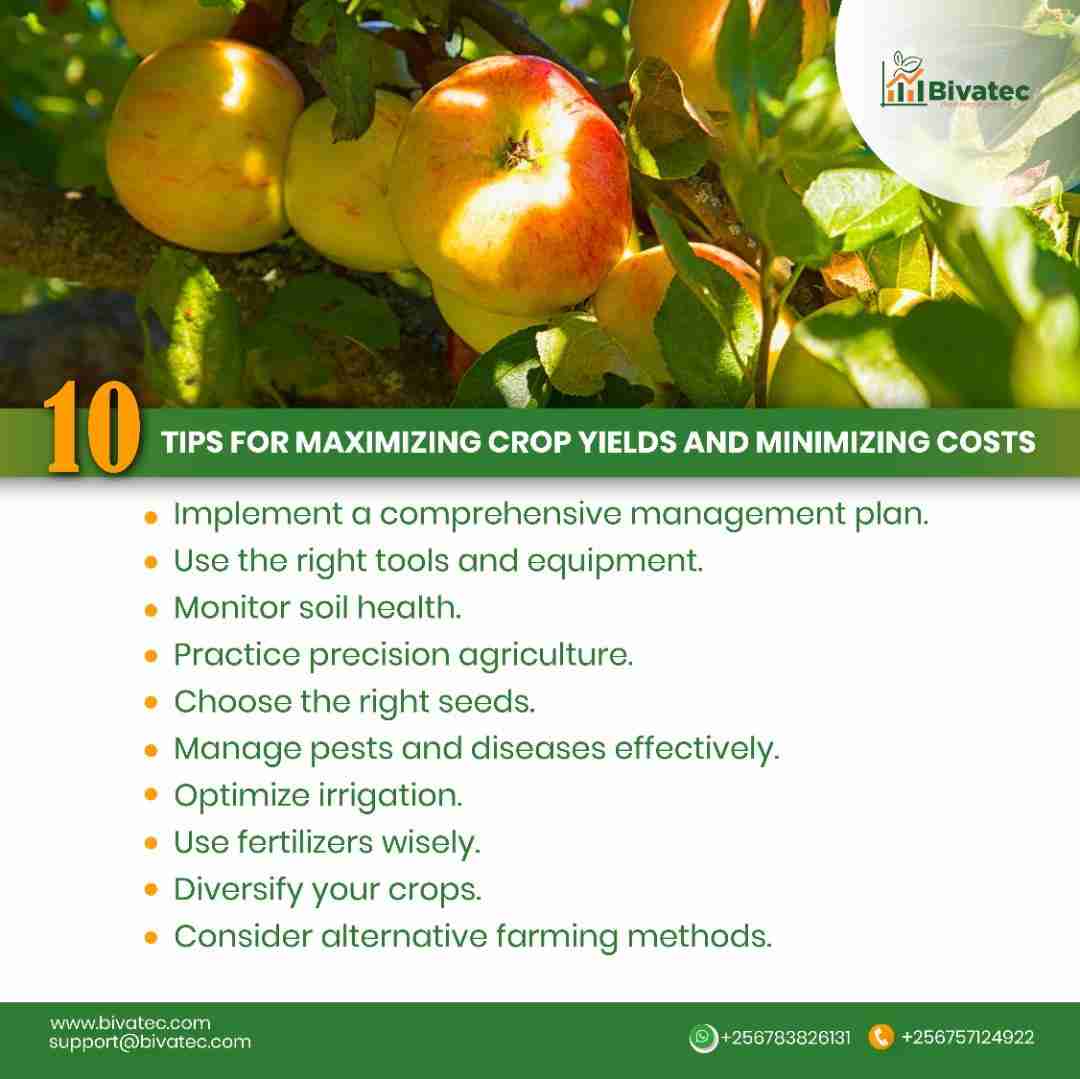
Maximizing Yield: Benefits of Mini Rice Milling for Small Scale Farmers
Mini rice milling machines have emerged as transformative tools for small-scale farmers, offering a plethora of benefits that enhance their productivity and profitability. By streamlining the post-harvest process, these machines allow farmers to process their rice more efficiently and quickly. Some notable advantages include:
- Reduced Labor Costs: These compact machines decrease the reliance on manual labor, enabling farmers to save time and cut down on labor expenses.
- Improved Quality: Mini rice mills produce higher quality rice by minimizing grain breakage and ensuring uniformity, which can lead to better market prices.
- Increased Self-Sufficiency: Farmers can process their rice on-site, reducing dependence on external milling services and making them less vulnerable to price fluctuations.
Moreover, the financial aspects of investing in mini rice milling machinery present a logical path towards sustainable farming. The initial investment in these machines can be offset by the increased income generated from selling high-quality produce directly, as well as the ability to diversify into value-added products. This creates a ripple effect on local economies, fostering:
| Key Contributions | Impact on Local Communities |
|---|---|
| Job Creation | More employment opportunities in milling and distribution sectors. |
| Skill Development | Farmers gain knowledge and skills in modern agricultural practices. |
| Local Market Growth | Strengthened local economies as farmers sell directly to consumers. |
the integration of mini rice milling machines signifies a pivotal shift towards more efficient, profitable, and sustainable farming practices for small-scale rice producers. By investing in this technology, farmers not only maximize their yield but also empower their communities, fostering economic resilience in the agricultural sector.
Sustainable Practices: Eco-Friendly Features of Modern Mini Rice Mills
In today’s agricultural landscape, mini rice mills are becoming synonymous with sustainability, embodying eco-conscious design and energy efficiency. These compact machines utilize energy-efficient motors, significantly reducing power consumption compared to traditional milling operations. By adopting solar-powered options, some modern mini rice mills harness renewable energy, minimizing reliance on fossil fuels and lowering carbon emissions. The integration of biomass and biofuel technologies further enhances their eco-friendly nature, allowing waste byproducts from the milling process to be repurposed as fuel, thus promoting a circular economy.
Moreover, mini rice mills are designed with waste reduction in mind, optimizing the milling process to ensure minimal loss of grain. This efficiency not only boosts yield but also contributes to a reduced environmental footprint. Key features that highlight their eco-friendly attributes include:
- Water Conservation: Advanced systems that use less water in the cleaning and milling processes.
- Noise Reduction: Employing sound-dampening materials to minimize noise pollution.
- Compact Design: Occupying less land and utilizing fewer resources than larger mills.
A table illustrating the sustainability features of modern mini rice mills demonstrates how they compare to traditional counterparts:
| Feature | Traditional Mills | Modern Mini Rice Mills |
|---|---|---|
| Energy Use | High | Low |
| Waste Generation | High | Minimized |
| Water Usage | Significant | Reduced |
Through these advancements, mini rice mills not only elevate production efficiency but also contribute to a greener agricultural future. The shift towards sustainable practices redefines the milling industry, paving the way for environmentally responsible farming solutions while securing food resources for generations to come.
Empowering Communities: The Socioeconomic Impact of Accessible Milling Solutions
The introduction of accessible milling solutions has sparked a transformative shift in rural economies, where small-scale farmers and local businesses begin to flourish. By providing these communities with affordable mini rice milling machines, we empower individuals to take control of their production and processing, leading to notable improvements in their livelihoods. This technology not only simplifies the milling process but also offers several key benefits:
- Increased Income: Farmers can sell processed rice at a higher price, boosting their financial stability.
- Employment Opportunities: Local milling operations create jobs, elevating the economic prospects of the surrounding area.
- Reduced Post-Harvest Losses: Accessible milling helps prevent grain spoilage, ensuring food security.
- Enhanced Local Business Growth: Small milling enterprises serve as catalysts for other businesses, fostering a cooperative ecosystem.
Moreover, the social implications of these accessible milling solutions are equally profound. Improved economic conditions lead to better education opportunities, healthcare access, and overall community wellbeing. As families save on transportation and processing costs, they can allocate resources towards essential needs, enriching their quality of life. The ripple effect can be further illustrated by the following table, detailing the impact of these milling solutions on various demographic factors:
| Impact Area | Before Milling Solutions | After Milling Solutions |
|---|---|---|
| Monthly Income (USD) | $200 | $400 |
| Employment Rate | 60% | 80% |
| Access to Education | 40% | 70% |
| Healthcare Access | 30% | 65% |
This compelling data shows how embracing modern milling technology can uplift communities by translating agricultural enhancement into socioeconomic development, forming the backbone of resilient and vibrant rural economies.
Final Thoughts
As we draw the curtain on our exploration of mini rice milling machines, it becomes evident that these compact powerhouses hold the potential to redefine rice harvesting and processing in unprecedented ways. By marrying innovation with accessibility, they pave the path for smallholder farmers and local entrepreneurs to elevate their production quality and efficiency. As technology continues to evolve, the journey of these machines reflects a broader narrative of resilience and adaptation in agriculture. With each grain milled, we inch closer to ensuring food security, sustainable practices, and economic empowerment for communities across the globe. The future of rice milling is not just about the machines themselves; it’s about the lives they change and the stories they help cultivate. As we move forward, embracing these advancements could very well be the key to unlocking a brighter and more prosperous agricultural landscape for generations to come.




