Mini Rice Mill
A Mini Rice Mill represents a compact and efficient solution for rice processing, especially suited for small-scale operations. It encompasses essential functions within a reduced footprint, making it ideal for local farmers or small enterprise owners. The process starts with a basic cleaning mechanism to rid the rice of impurities and dust. Husking then removes the husk, followed by a whitening phase that gently removes the bran layer, producing clean, white rice. Despite its smaller size, a mini rice mill can include simple grading systems to ensure uniformity in grain size. The equipment is typically less automated than in larger mills, prioritizing affordability and ease of maintenance. Such mills are crucial in supporting local economies, providing farmers with direct access to rice processing and enabling them to increase their rice’s market value efficiently.

Unlocking Efficiency: The Rise of the Mini Rice Mill
As the agricultural landscape evolves, the mini rice mill emerges as a beacon of efficiency. Compact and cost-effective, it empowers small-scale farmers to streamline production, ensuring that the grains of their labor are harvested, processed, and delivered with ease.
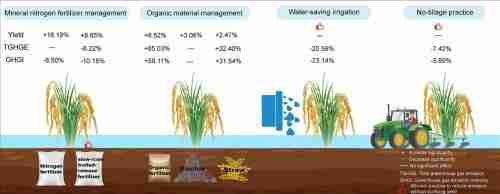
Unlocking Efficiency: The Benefits of Mini Rice Mills
Unlocking efficiency in rice production, mini rice mills are transforming the agricultural landscape. These compact machines streamline processing, reduce labor costs, and enhance output quality, making them an essential tool for smallholder farmers.

Empowering Communities: The Rise of Mini Rice Mill Plants
In countries where rice is a staple, the rise of mini rice mill plants is transforming local economies. These small-scale facilities empower communities, providing jobs and promoting self-sufficiency, fostering a brighter future for rural areas.

Transforming Grain: The Rise of Mini Rice Mill Plants
In the heart of rural landscapes, mini rice mill plants are redefining grain processing. These compact facilities not only enhance efficiency but also empower local farmers, fostering community growth and sustainability while transforming raw harvests into market-ready products.

Transforming Rice Production: The Rise of Mini Rice Mill Plants
In a world striving for sustainable agriculture, mini rice mill plants are emerging as pivotal players. These compact units promise efficiency and lower energy consumption, revolutionizing rice production while empowering local farmers to enhance their livelihoods.
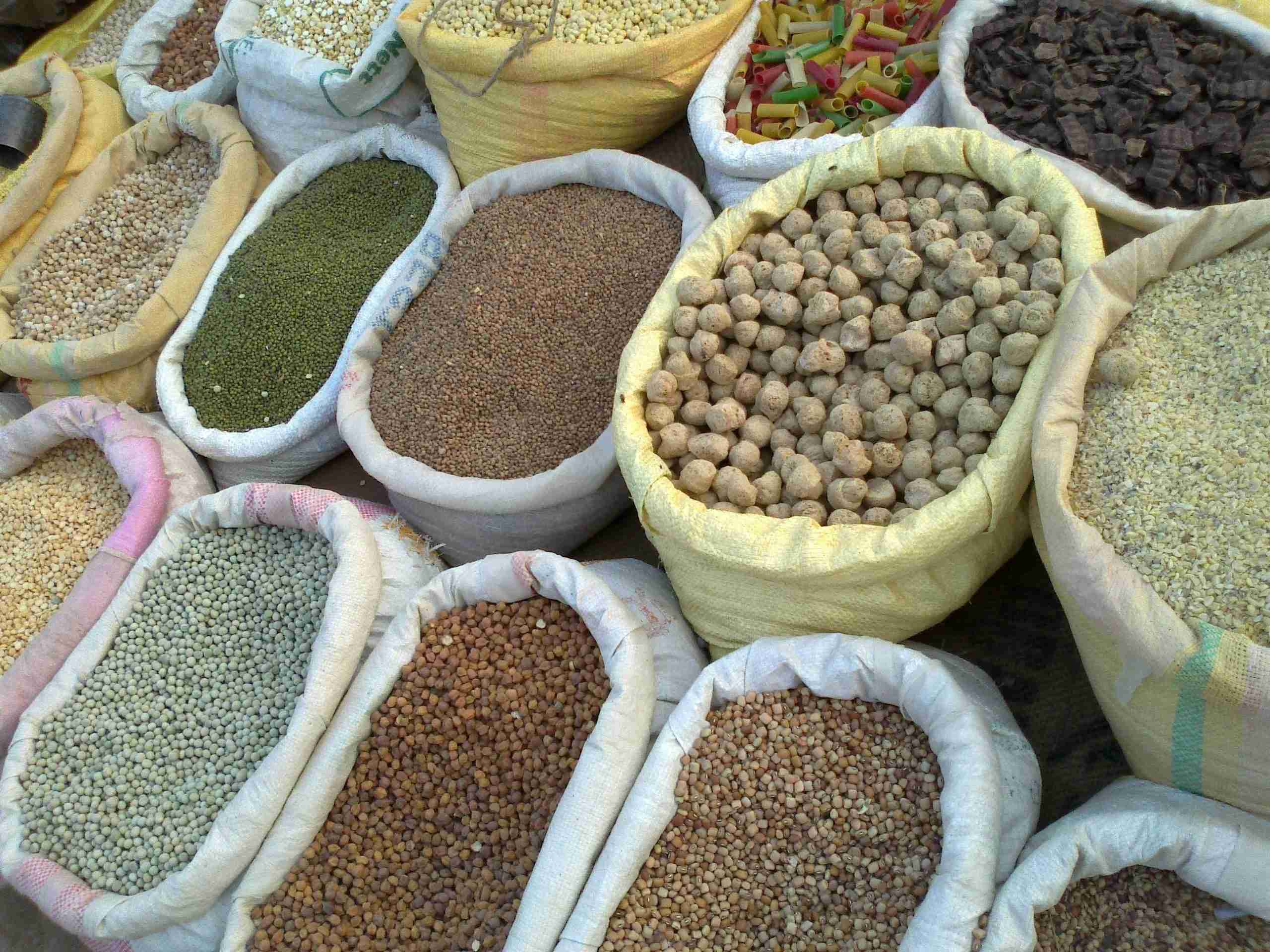
Revolutionizing Grain: The Rise of Mini Rice Mills
In the heart of agricultural innovation, mini rice mills are transforming grain processing. Compact and efficient, these mills empower small farmers to produce high-quality rice locally, reducing costs and enhancing sustainability in rural economies.
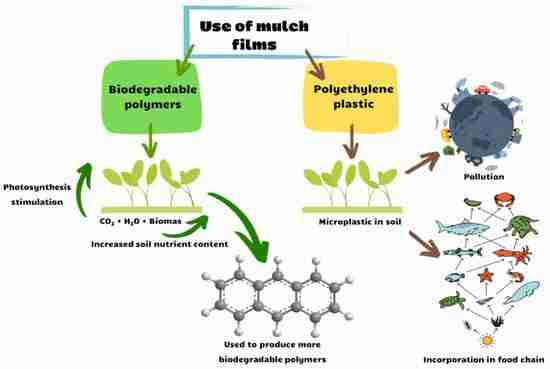
Revolutionizing Grain: The Mini Rice Milling Machine Unveiled
In an era where efficiency meets innovation, the newly unveiled Mini Rice Milling Machine promises to revolutionize grain processing. Compact yet powerful, it transforms the way farmers and processors approach rice milling, ensuring quality at scale.
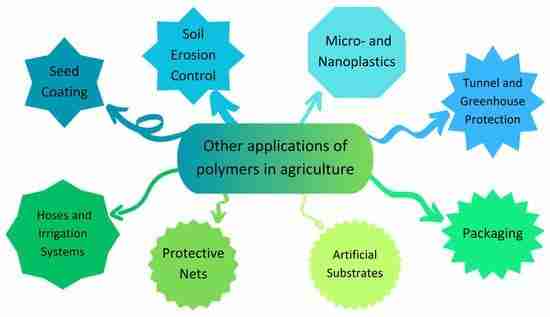
Efficient Mini Rice Milling Machines: Revolutionizing Grain Processing
Efficient mini rice milling machines are transforming grain processing by combining advanced technology with compact design. These innovations enable small-scale farmers to streamline operations, reduce waste, and enhance productivity, ultimately making quality rice more accessible.
Unlocking Efficiency: The Power of Mini Combined Rice Mills
Unlocking efficiency in rice production, mini combined rice mills are revolutionizing rural agriculture. Compact yet powerful, these mills streamline processing, reduce waste, and enhance quality, empowering farmers with innovation and sustainability at their fingertips.

Empowering Farmers: The Rise of Mini Rice Mills
As small-scale agriculture faces modern challenges, mini rice mills are emerging as a game-changer. These compact facilities empower farmers by providing local processing, enhancing efficiency, and improving profit margins—all while fostering community resilience.