
In a world where food security and sustainable agricultural practices are becoming increasingly vital, innovations in rice milling technology stand at the forefront of this critical evolution. Enter the combine mini rice mill, a marvel of modern engineering that promises to redefine efficiency in the rice production cycle. These compact, multifunctional machines are designed to streamline the milling process, reducing labor costs and energy consumption while maximizing yield. As smallholder farmers around the globe seek ways to enhance productivity and profitability, the rise of combine mini rice mills offers a glimpse into a future where technology and tradition harmoniously coexist. In this article, we will explore the transformative impact of these machines on rural economies, the environment, and the broader agricultural landscape, showcasing how a small yet mighty tool is making a significant difference in the quest for optimized efficiency in rice milling.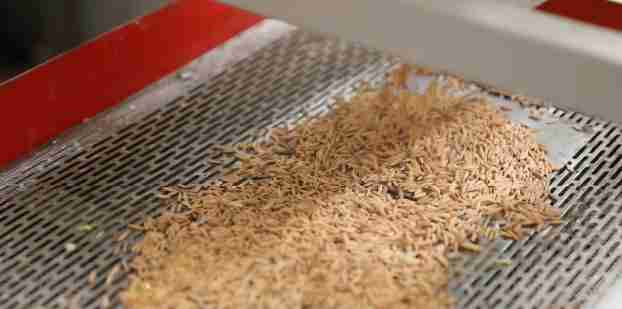
The Evolution of Rice Milling Technology and Its Impact on Productivity
Over the years, rice milling technology has undergone significant transformations, culminating in the emergence of compact and efficient solutions like combine mini rice mills. Traditional processing methods often involved multiple stages, requiring heavy machinery that demanded both space and resources. The advent of mini rice mills has revolutionized this landscape, allowing farmers and small-scale mill operators to streamline operations. With their integrated design, these mills are capable of de-husking, whitening, and polishing rice in a single machine, dramatically reducing both time and labor costs.
Furthermore, the rise of mini rice mills has had a profound impact on productivity at the grassroots level. By optimizing energy consumption and decreasing waste, these machines empower rural communities and smallholder farmers to increase their output with minimal investment. Key benefits include:
- Reduced Operational Costs: With lower energy requirements and maintenance needs.
- Enhanced Rice Quality: Provided by consistent processing standards.
- Accessibility: Smaller footprint, allowing for installation in various environments.
This transitional shift presents a unique opportunity for both emerging and seasoned rice producers to embrace modern practices that align with sustainable development goals while maximizing their output in the global rice market.
Understanding the Economic Advantages of Combine Mini Rice Mills
In recent years, combine mini rice mills have emerged as a transformative force in rice production, offering myriad economic benefits to smallholder farmers and agricultural entrepreneurs alike. These compact units efficiently integrate multiple processing functions—hulling, milling, and polishing—into a single machine. This capability reduces the need for extensive labor and minimizes production time. Some of the significant advantages include:
- Cost-Effectiveness: The consolidation of processes in a mini rice mill leads to significant savings on labor, maintenance, and operational costs.
- Higher Yield Quality: By minimizing handling and optimizing milling processes, these machines enhance the quality of the final rice product.
- Accessibility: Their smaller size and lower cost make them accessible for local entrepreneurs, fostering economic growth in rural areas.
- Reduced Waste: Advanced milling techniques reduce grain breakage, leading to less waste and more efficient utilization of production resources.
The impact of combine mini rice mills on local economies cannot be overstated. They not only create jobs but also enable farmers to expand their market reach. By improving the logistics of rice processing, these mills help reduce post-harvest losses, ensuring that more of the produce finds its way to consumers. To illustrate the benefits further, consider the following comparison of production parameters in traditional versus combine mini rice milling operations:
| Parameter | Traditional Milling | Combine Mini Rice Milling |
|---|---|---|
| Labor Requirement | High | Low |
| Processing Time | Long | Short |
| Profit Margin | Moderate | High |
| Post-Harvest Loss | 10-20% | 1-5% |
Best Practices for Implementing Combine Mini Rice Mills in Rural Areas
Implementing combine mini rice mills in rural areas requires a strategic approach to ensure both technical efficiency and community sustainability. Key considerations include:
- Community Engagement: Involve local farmers in the decision-making process to foster ownership and acceptance of the technology.
- Training Programs: Establish comprehensive training workshops to educate users on the operation and maintenance of mini rice mills.
- Accessibility to Resources: Facilitate easy access to spare parts and maintenance services to prevent downtime and ensure smooth operation.
Additionally, providing financial incentives can encourage farmers to adopt this technology. Various funding sources or cooperative models can help mitigate upfront costs. Implementing a reliable system for:
| Aspect | Recommendation |
|---|---|
| Financing Options | Microcredit schemes for farmers |
| Operational Support | Establish local cooperatives for shared usage |
| Market Access | Connect farmers with local and regional markets |
By harnessing local knowledge and expertise alongside modern technology, combine mini rice mills can significantly enhance productivity and contribute to the economic empowerment of rural communities.
Future Trends: Innovations Shaping the Mini Rice Milling Industry
As the demand for rice continues to rise globally, the mini rice milling industry is witnessing an evolution driven by technological advancements. Modern combine mini rice mills are at the forefront of this transformation, integrating multiple functions into a single compact unit. They are designed not only for efficiency but also for user convenience, catering to the needs of small-scale farmers and processors. The automation of these mills drastically reduces labor costs, while the incorporation of smart technology enhances operational precision. Key innovations include:
- Energy Efficiency: Utilizing renewable energy sources, such as solar power, minimizes operational costs.
- Multi-Functionality: These mills can simultaneously perform hulling, milling, and polishing processes, significantly streamlining production.
- Innovative Customer Interfaces: Digital displays and mobile applications facilitate real-time monitoring and management of milling operations.
Furthermore, the integration of advanced sensor technology in mini rice mills allows for real-time analysis of grain quality, ensuring a high-standard end product. The emphasis on sustainability is evident as manufacturers introduce environmentally friendly practices, such as minimizing waste and utilizing biodegradable materials in mill construction. To illustrate these trends, consider the following table comparing traditional milling techniques with modern mini rice mill innovations:
| Parameter | Traditional Milling | Combine Mini Rice Mills |
|---|---|---|
| Labor Requirements | High | Low |
| Energy Source | Fossil Fuels | Renewable Energy |
| Processing Steps | Multiple Machines | Single Machine |
| Waste Generation | High | Minimal |
With these innovations, the mini rice milling sector is not just adapting to the changing landscape but actively shaping it, creating a path towards increased productivity and environmental sustainability. As these technologies become more accessible, we can expect a significant boost in the operational capabilities of smallholder farmers, translating into improved livelihoods and food security.
In Conclusion
as we navigate the intricate landscape of agriculture and the pressing demand for efficiency, combine mini rice mills emerge as a beacon of innovation. Their compact design, coupled with advanced technology, not only streamlines the milling process but also supports sustainable practices that benefit both farmers and consumers alike. By minimizing wastage and maximizing productivity, these mills are transforming the traditional rice industry, ensuring that the grains of the future are not just harvested but cherished. As we look ahead, the continued evolution of such tools will undoubtedly play a crucial role in meeting the world’s food needs, fostering economic growth, and preserving the delicate balance of our environment. The rise of combine mini rice mills is not merely a trend; it is a step toward a more efficient and resilient agricultural future.




