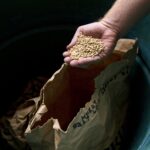
In the heart of countless small farms across the globe, where the golden grains sway gently in the breeze, lies the potential for change. As farmers strive to cultivate not just their crops but also their livelihoods, innovative solutions are emerging to streamline processes and enhance productivity. Enter the mini rice mill—a compact yet powerful tool that is redefining rice production for small-scale farmers. This article embarks on a journey to explore the multifaceted benefits of mini rice mills, shedding light on how these machines are not only revolutionizing the way farmers process their harvest but also contributing to sustainable agricultural practices, fostering economic resilience, and empowering rural communities. Join us as we uncover the impact of thisTechnological marvel on the landscape of small farming and discover how it is indeed making waves far beyond the fields.
Understanding Mini Rice Mills and Their Role in small Farm Sustainability
Mini rice mills are compact milling machines that have emerged as a game-changer for small-scale farmers. These innovative devices allow agricultural producers to process rice more efficiently, directly on their farms. By reducing reliance on large-scale milling facilities, farmers can enjoy greater control over the quality and freshness of their rice, leading to enhanced marketability and profitability. Some of the key benefits of integrating mini rice mills into farm operations include:
- Cost-effectiveness: Affordable purchase and operational costs compared to traditional mills.
- Reduced Processing Time: Faster milling processes that enable farmers to quickly prepare their harvest for market.
- Quality Control: The ability to oversee and maintain high standards for milled rice products.
- Local employment: Creating job opportunities within the community through milling operations.
Moreover, these mills play a critically important role in promoting sustainability in small-scale farming. By empowering farmers to process their own rice, they minimize transportation and storage costs, contributing to a lower carbon footprint. The following table summarizes how mini rice mills support sustainable practices:
| Aspect | Traditional Milling | Mini Rice Mills |
|---|---|---|
| Energy Consumption | Higher due to transportation | Lower with local milling |
| Waste Reduction | Higher waste from processing | More efficient, less waste |
| Food Security | Dependent on external mills | Increased local food availability |
Through the adoption of mini rice mills, small farmers can not only thrive economically but also contribute towards a more sustainable agricultural future, making these tools essential for both their livelihoods and the environment.
enhancing Productivity: How Mini Rice Mills Streamline Operations
Implementing mini rice mills on small farms has become a game-changer, revolutionizing the way farmers operate and increasing overall efficiency. By reducing reliance on external milling services, these compact units allow farmers to process their rice immediately after harvest. This not only saves time but also preserves the quality and freshness of the produce. Here are some of the key ways mini rice mills enhance operational efficiency:
- Cost Efficiency: Small farmers can save on transportation costs and milling fees.
- Quality Control: Farmers maintain control over the milling process, ensuring superior quality.
- Time Savings: On-site milling allows for immediate processing, reducing post-harvest losses.
- Customizable Output: Farmers can adjust milling settings to produce the desired rice variety according to market demands.
Moreover, the integration of mini rice mills promotes sustainable agricultural practices. These mills are designed to minimize waste through improved processing technologies. As an inevitable result, by-products like rice husk can be repurposed as biomass fuel or organic fertilizer, contributing to a circular agricultural economy. The following table summarizes additional benefits of adopting mini rice mills:
| Benefit | Description |
|---|---|
| Environmentally Amiable | Efficient use of resources leading to reduced carbon footprint. |
| Empowerment | Farmers gain autonomy over their production processes. |
| Community Growth | Boosts local economies by improving income and job opportunities. |
Cost Efficiency and Economic Viability of Implementing mini Rice mills
Implementing mini rice mills offers numerous advantages in terms of cost efficiency and economic viability for small farmers. With the ability to process rice on-site, farmers can significantly reduce expenses related to transportation and milling services, which are common when utilizing larger facilities. The initial investment, while ample, is frequently enough recouped within a few growing seasons due to the savings on these operational costs and the added value of freshly milled rice. Additionally, reduced reliance on commercial mills allows for better control over the milling process and can enhance the quality of the final product.
Moreover, mini rice mills can spur local economic growth by creating job opportunities, not only for mill operators but also for local support services, such as maintenance and repairs. This creates a ripple effect in the community, promoting sustainable agricultural practices and fostering a stronger local economy. The table below illustrates the potential annual savings and income boost from the implementation of a mini rice mill:
| Cost/Income Category | Annual Savings/Income Increase |
|---|---|
| Transport Costs | $1,200 |
| Milling Fees | $1,500 |
| Increased Selling Price | $2,000 |
| Total Estimated Annual Benefits | $4,700 |
Empowering Farmers: The Social Impact of mini Rice Milling on Communities
Mini rice milling technology has emerged as a beacon of hope for small-scale farmers, directly transforming their livelihoods and enhancing community welfare. By transitioning from traditional methods to efficient milling systems, farmers can process their rice more quickly and with less waste. This not only increases their income but also reduces the labor required for milling, freeing up valuable time that can be redirected towards other agricultural practices or community activities. Consequently, farmers experienced enhanced food security and a restoration of dignity in their craft. Empowering individuals within the agriculture value chain strengthens the economic backbone of rural communities, enabling them to thrive and foster a supportive environment for future generations.
The integration of mini rice mills promotes social cohesion and fosters a spirit of collaboration among farmers.With shared resources and improved access to quality milling, smallholder farmers are increasingly likely to engage in collective marketing strategies, pooling their produce to garner better prices in local markets. This not only helps reduce competition but also encourages the sharing of knowledge and best practices in rice cultivation and processing. The social impact extends beyond mere economics; local farmers’ associations may form, encouraging networking, resource sharing, and cooperative efforts that benefit entire communities. In essence, mini rice mills symbolize a collective push towards sustainable agriculture, paving the way for resilient farming practices that empower individuals while uplifting entire communities.
Wrapping Up
As we journey through the world of mini rice mills, we uncover not just a tool but a transformative force for small farms seeking both sustainability and profitability. The benefits of these compact machines extend far beyond mere efficiency; they offer a pathway to independence, empowering farmers to take control of their harvests. By bringing the milling process closer to home, mini rice mills not only enhance product quality but also foster community resilience, creating a cycle of local growth and economic stability.
In embracing this technology,smallholders can navigate the challenges of modern agriculture with confidence,ensuring that the fruits of their labor are maximized and cherished.As we move forward, the integration of mini rice mills into farming practices represents a promising stride toward a more sustainable agricultural landscape—one where innovation harmonizes with tradition to cultivate both crops and communities.
So, whether you’re a farmer contemplating this investment or an advocate for sustainable agriculture, the revelation of mini rice mills is a call to action. Let us celebrate these small machines that hold the potential to revolutionize farming on a grassroots level, nurturing not only the land but also the livelihoods of those who tend to it. The future of small farming awaits,and with it,a greater opportunity to thrive.