In the heart of agricultural innovation, a quiet revolution is taking place—one that promises to reshape the landscape of rice production. As global demand for rice continues to soar, the traditional, large-scale milling operations are yielding ground to a more agile solution: mini rice mill plants. These compact facilities, equipped with advanced technology and efficient processing capabilities, are proving to be game-changers for farmers and small entrepreneurs alike.By streamlining operations and reducing overhead costs, mini rice mill plants are not simply a trend; they represent a meaningful shift towards a more enduring and profitable approach to rice milling. In this article, we will explore the rise of these miniature powerhouses, delving into their benefits, challenges, and the impact they have on local economies and food security in an ever-evolving agricultural sector.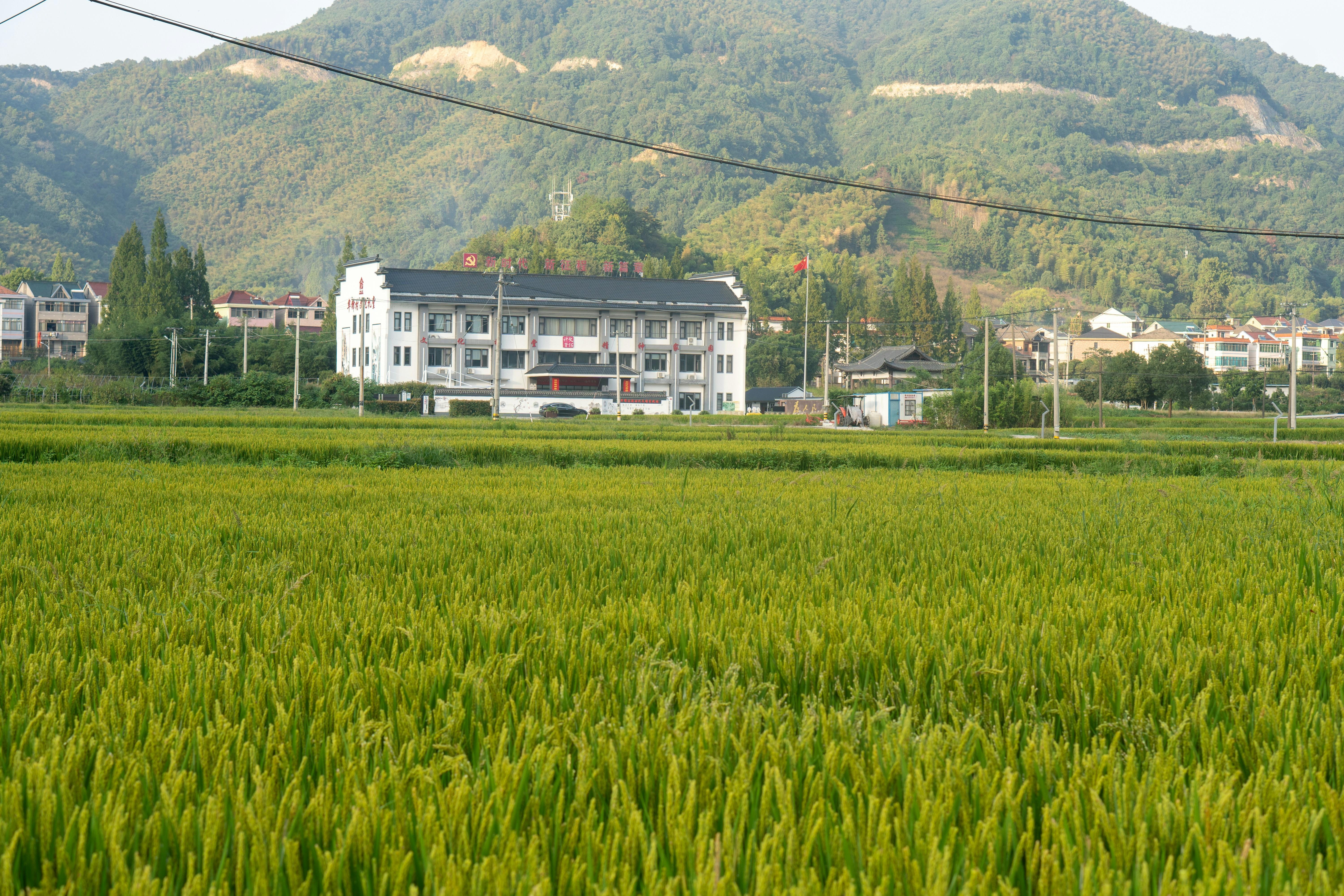
Exploring the Advantages of mini rice mill Plants in Modern Agriculture
mini rice mill plants are rapidly gaining attention in the agricultural sector due to their numerous advantages that align with the needs of modern farmers.These compact milling units considerably enhance the efficiency of rice processing by dramatically reducing the time and labor involved. Unlike traditional milling systems, mini rice mills are designed to handle smaller batches of rice while ensuring high-quality output. This advancement leads to the preservation of the nutritional value of the rice, yielding more premium-grade products that can command higher market prices.
Moreover,mini rice mills contribute to the sustainability of farming practices by minimizing waste and energy consumption. They operate on a smaller footprint, requiring less land and resources, which is ideal for smallholder farmers who often face constraints in terms of space and capital. The incorporation of innovative technology allows these mills to operate with a reduced carbon footprint, thus fostering environmentally kind practices. Key benefits include:
- Cost-effectiveness: Lower operational and maintenance costs.
- Accessibility: Easier for local farmers to invest in and manage.
- Adaptability: Ability to switch between different rice varieties effortlessly.
To illustrate the impact of mini rice mills on productivity, consider the following table showcasing the efficiency of processing times compared to traditional rice mills:
| processing Method | processing Time (Hours) | Output (Quintals) |
|---|---|---|
| Traditional Rice Mill | 8 | 10 |
| mini rice mill | 3 | 8 |
This data highlights that while mini rice mills may produce slightly less output in a shorter timeframe, they offer a compelling choice for increasing the overall efficiency of rice processing in rural setups. By prioritizing quality over quantity, farmers are empowered to make informed choices that enhance both their profitability and sustainability in the long run.

Technological innovations Driving Efficiency in Rice Milling Operations
Advancements in technology have significantly transformed rice milling operations, making them more efficient and less labor-intensive. The introduction of mini rice mill plants has been a game-changer, allowing smallholder farmers to process their harvests on-site. These compact systems integrate sophisticated features such as automatic feeding, husking, and polishing, which minimize grain loss and reduce energy consumption.The ability to operate with lower power requirements further enhances their appeal in rural settings where electricity supply can be sporadic.
Furthermore, the incorporation of digital monitoring systems has led to improved quality control in milling processes. By leveraging sensors and software solutions, mill operators can track moisture levels, grain quality, and production rates in real-time. This data-driven approach not only ensures consistency in the final product but also aids in predictive maintenance, thus reducing downtime and workshop costs. As rice milling technology continues to evolve, the integration of these innovative solutions promises a brighter, more efficient future for producers worldwide.
| Key Innovations | Benefits |
|---|---|
| Automatic Feeding Systems | Reduces manual labor and speeds up the processing time. |
| Digital Monitoring | Enhances quality control and operational efficiency. |
| Energy-Efficient Machines | Lowers production costs and promotes sustainable practices. |
| Mobile Applications | Facilitates remote monitoring and management of mill operations. |
Sustainable Practices and Their Impact on mini rice mill sustainability
Integrating eco-friendly methodologies into the operational framework of mini rice mills significantly enhances their long-term viability. Sustainable practices not only improve the production efficiency of these facilities but also minimize environmental degradation. By adopting integrated pest management, water conservation techniques, and renewable energy sources, mini rice mills can effectively reduce their carbon footprint. Moreover, implementing organic farming practices ensures a healthier rice yield, which in turn attracts environmentally-conscious consumers, elevating market demand.
Furthermore, investing in modern machinery designed for energy efficiency can dramatically lower operational costs while simultaneously minimizing waste.Utilizing biodegradable packaging can enhance a mill’s reputation and contribute to the circular economy. The table below illustrates the comparative impacts of adopting sustainable practices in mini rice mills:
| Practice | Impact on Production | Environmental Benefit |
|---|---|---|
| renewable Energy Use | Increased efficiency | Reduced greenhouse gas emissions |
| Water Management | Enhanced resource optimization | Conservation of water resources |
| Organic Farming | Higher quality yield | Improved soil health |
Strategies for Successful implementation and Management of Mini Rice Mills
To enhance the operational efficiency of mini rice mills, it is indeed crucial to adopt a comprehensive approach that intertwines technology, skilled labor, and sustainable practices. First and foremost, investing in advanced machinery is vital. The latest equipment, such as automatic paddy separators and high-efficiency huskers, can significantly reduce processing time and improve output quality. In tandem, it’s critically important to ensure that operators are well-trained in both the technological and operational aspects of the machinery to harness its full potential. Additionally, establishing a robust maintenance schedule for all equipment will prevent unscheduled downtimes, keeping production flowing smoothly.
Moreover, efficient supply chain management plays a pivotal role in the success of mini rice mills. Developing partnerships with local farmers can ensure a steady supply of quality paddy, while also supporting the community. Utilizing effective storage solutions helps maintain the quality of raw materials before processing. Here are some key strategies to consider:
- Engage Local Farmers: Create cooperative agreements to ensure a reliable raw material supply.
- Adopt Quality Control Measures: Implement regular tests for grain moisture and purity.
- Optimize Production Planning: Utilize software tools for demand forecasting to align production with market needs.
- Monitor Market Trends: Stay informed about changes in rice prices and legislation affecting the industry.
to Wrap It Up
the emergence of mini rice mill plants marks a significant evolution in the agricultural landscape, blending innovation with practicality to address the pressing needs of modern farming. These compact facilities not only enhance efficiency and productivity but also empower local farmers by providing them with the tools to process their harvests with greater ease and economic viability. As we navigate the complexities of the global rice market, the rise of these mini mills offers a promising path towards sustainability, self-sufficiency, and economic resilience for rice-producing communities. The future looks bright for small-scale milling, and as technology continues to advance, we can expect these plants to play an even more pivotal role in shaping the industry, one grain at a time.