
Unveiling the Journey: The Art and Science of Cereal Processing
In the quiet corners of our kitchens, breakfast awaits—golden flakes, puffs, and crunchy morsels that form the foundation of countless morning routines. Yet, behind this seemingly simple ensemble lies a complex tapestry woven from the threads of art and science. The journey of cereal processing is one that stretches far beyond the fields where grains are harvested; it delves into the intricacies of technology, innovation, and tradition that transform raw ingredients into beloved staples. From the meticulous selection of grains to the precise methods of cooking, drying, and packaging, every step is a delicate balance of techniques that harness nature’s potential. Join us as we unveil the fascinating processes that breathe life into cereals, revealing how craftsmanship meets scientific understanding in every bite we take.
Understanding the Ingredients: A Deep Dive into Cereal Composition
The journey of cereal from field to breakfast bowl is a fascinating blend of nature and science. At the core of every cereal is a carefully selected blend of grains, each contributing its unique qualities. Common grain types include:
- Wheat: Versatile and robust, it adds structure and crunch.
- Oats: Known for their health benefits, they bring a creamy texture and nutty flavor.
- Corn: Sweet and light, it enhances color and adds a satisfying pop.
- Rice: A neutral base, it’s often used for its gluten-free properties.
Besides the grains, cereals often incorporate various supplements and flavorings that amplify taste and nutritional value. Key ingredients may include:
| Ingredient | Purpose |
|---|---|
| Vitamins and Minerals | Fortification for enhanced nutritional content. |
| Sweeteners | To provide a hint of sweetness while maintaining balance. |
| Flavorings | Add depth and enjoyment to the eating experience. |
| Preservatives | To ensure shelf life and freshness over time. |
Every ingredient plays a crucial role in creating the final product. By understanding the composition, we can appreciate the interplay between health and indulgence that cereals offer, making breakfast not just a meal but an art through science.
The Processing Pathway: Techniques that Transform Raw Grains
The journey from field to table involves a myriad of techniques that breathe new life into raw grains, transforming them into the versatile ingredients we know and love. Milling, for instance, plays a crucial role. This process involves grinding grains into flour, where the type of milling — be it stone, roller, or hammer — dictates the texture and flavor profile of the end product. The sifting stage follows, ensuring that the flour is of consistent quality by separating fine particles from coarse ones. Each step carefully crafts the grains, allowing the unique characteristics of the wheat or corn to emerge, enhanced and ready for culinary applications.
Further along the processing pathway, steam cooking, flaking, and toasting introduce additional dimensions. These methods serve not only to modify texture but also to unlock essential nutrients and flavors. For example, steam cooking increases the digestibility of grains, making them a healthier option. Additionally, fermentation, often used in bread-making, enhances the fermentable properties of flour, leading to delightful aromas and textures in the final product. A table summarizing these techniques and their effects beautifully illustrates this transformative journey:
| Technique | Purpose | Benefits |
|---|---|---|
| Milling | Grinding grains | Creates flour with varying textures |
| Sifting | Separating flour particles | Ensures consistent quality |
| Steam Cooking | Hydrating grains | Increases digestibility |
| Fermentation | Promoting microbial activity | Enhances aroma and flavor |
Quality Control in Cereal Production: Ensuring Consistency and Safety
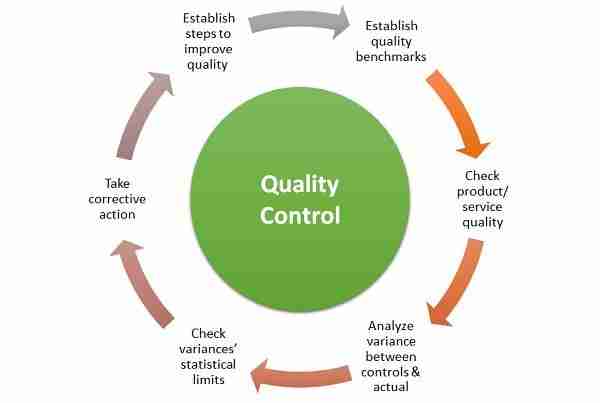
In the intricate ballet of cereal production, quality control plays an essential role in orchestrating both consistency and safety. Every stage of processing, from the initial harvesting of grains to the final packaging, demands meticulous attention to detail. Key measures include:
- Raw Material Inspection: Grains are rigorously tested for moisture content, purity, and the presence of contaminants.
- Process Monitoring: Real-time quality checks are implemented throughout processing stages to detect any deviations in production parameters.
- Final Product Testing: Before cereals reach consumers, they undergo comprehensive nutritional and safety analyses, including tests for microbe presence and shelf-life assessments.
To further enhance safety and quality assurance, certifications such as HACCP (Hazard Analysis and Critical Control Points) are integrated into the production framework. This systematic approach identifies and mitigates potential risks:
| Control Point | Risk | Mitigation Strategy |
|---|---|---|
| Grain Storage | Pest Infestation | Regular inspections and pest management practices |
| Processing Equipment | Cross-contamination | Sanitization protocols and equipment checks |
| Packaging | Product Damage | Robust packaging solutions and quality checks |
Sustainability Practices: Innovations for a Greener Cereal Industry
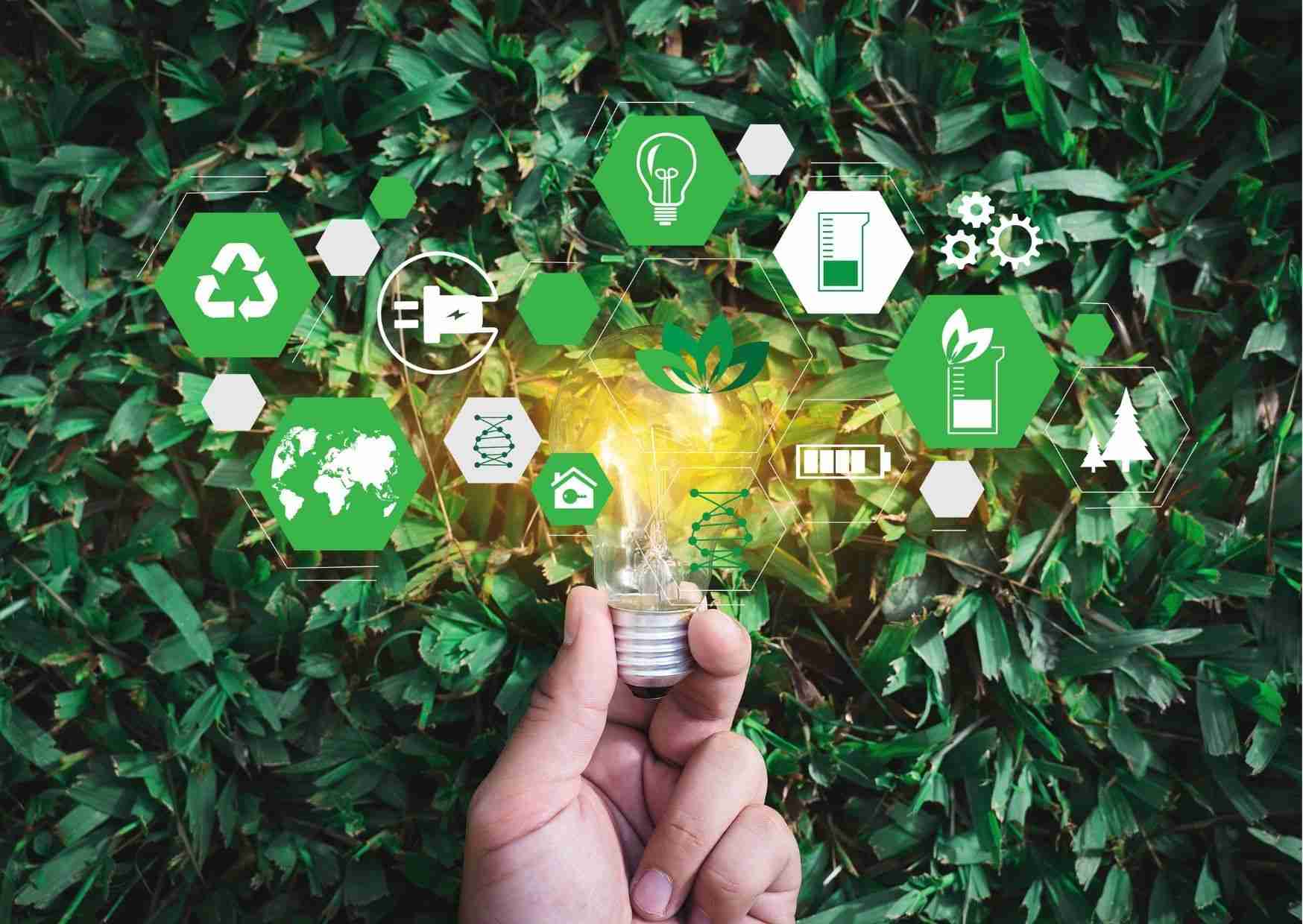
In the pursuit of environmental stewardship, the cereal industry is witnessing transformative innovations aimed at enhancing sustainability. One compelling practice involves the integration of precision agriculture techniques, which utilize data analytics to optimize field management. By employing advanced technologies such as drones and IoT sensors, farmers can monitor soil health, moisture levels, and crop yields in real-time. This not only minimizes waste but also reduces the overuse of fertilizers and water resources. Furthermore, regenerative agriculture methods are gaining traction, focusing on soil restoration through cover crops and reduced tillage, which fosters biodiversity and sequesters carbon in the process.
Moreover, cereal processing facilities are adopting renewable energy sources, such as solar and wind, to power their operations. This transition not only curtails greenhouse gas emissions but also promotes energy independence within the sector. A growing focus on waste reduction has led to innovative practices in recycling by-products from cereal processing. Nutritious ingredients, once considered waste, are now finding their way back into the food system, fueling the creation of healthier snacks and flour alternatives. As these practices proliferate, the cereal industry moves closer to a more sustainable future by maintaining ecological balance while meeting the growing global demand for healthy grains.
| Innovation | Description | Benefit |
|---|---|---|
| Precision Agriculture | Utilizes tech for optimal resource use | Reduces waste and enhances yields |
| Regenerative Practices | Improves soil health and biodiversity | Increases carbon sequestration |
| Renewable Energy | Integrates solar and wind in operations | Decreases carbon footprint |
| Waste Reduction | Reuses by-products creatively | Contributes to food system sustainability |
In Conclusion
As we conclude our exploration into the fascinating world of cereal processing, it becomes clear that this journey is a tapestry woven with both art and science. From the intricate dance of grains in the field to the meticulous processes in cutting-edge facilities, every step is a testament to human ingenuity and the delicate balance of nature. The techniques, both traditional and innovative, showcase the ability to transform humble grains into diverse products that grace our tables around the globe.
As we savor each crunchy bite and nourishing spoonful, let us appreciate the craftsmanship involved—from selecting the perfect grains to the precision of processing and packaging. The next time you pour a bowl of cereal, remember that it’s not just breakfast; it’s a culmination of a rich historical journey and a harmonious blend of knowledge passed through generations.
the art and science of cereal processing is more than a technical endeavor; it’s a celebration of creativity, culture, and agriculture. So, as we move forward, may we continue to uncover more stories behind our food and recognize the dedication that makes this essential staple a reality. Happy munching!




